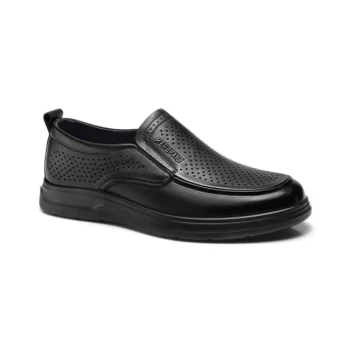
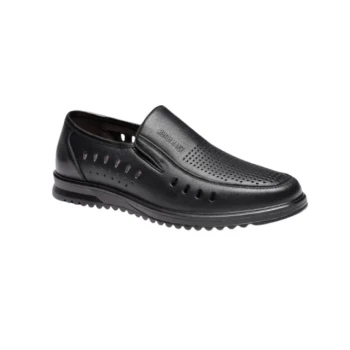
The professions that most benefit from slip-resistant shoes are those where workers operate in fast-paced, unpredictable environments with a high risk of floor contamination. This includes roles in healthcare, food service, and hospitality, where surfaces are frequently exposed to water, oils, bodily fluids, or other slick substances that create a significant and constant risk of slips and falls.
The need for slip-resistant shoes is not defined by a job title, but by the work environment itself. Any role involving frequent exposure to liquids, oils, or uneven surfaces creates a fundamental risk that this specialized footwear is designed to mitigate.
The Core Risk Factor: Unpredictable Surfaces
The central reason certain professions mandate slip-resistant footwear is the constant presence of unpredictable hazards on the floor. Standard shoes are simply not designed to maintain traction when the surface changes unexpectedly.
The Constant Threat of Liquids
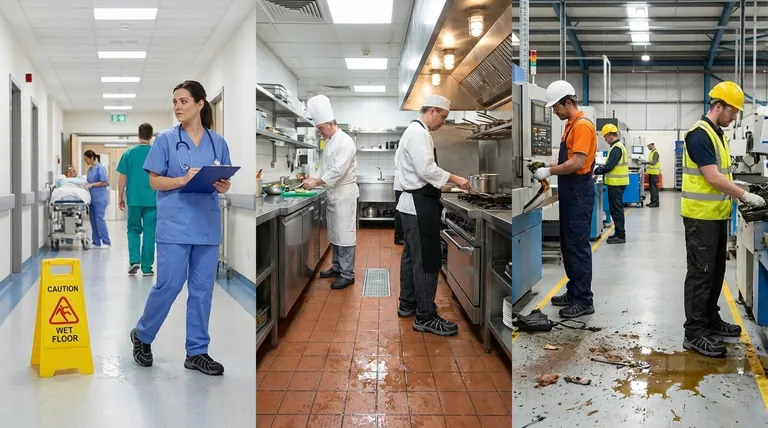
In environments like commercial kitchens or hospital wards, floors are rarely completely dry. Spills from water, grease, cleaning solutions, medical substances, or bodily fluids are an accepted part of the daily workflow. Slip-resistant shoes are engineered with specific tread patterns and rubber compounds to channel these liquids away and maintain contact with the floor.
The Challenge of Fast-Paced Work
Professionals in food service and healthcare are constantly in motion, often carrying trays, tools, or assisting patients. This high-tempo work reduces the time available to scan the floor for hazards. The reliable grip of slip-resistant shoes provides a crucial layer of passive safety, allowing the worker to focus on their primary task.
Hidden Dangers and Contaminants
In a medical setting, a spill may not just be water; it could be a biohazard. A dropped vial can result in both a slick spot and broken glass or sharp objects. Specialized footwear for these roles often combines a slip-resistant outsole with features like puncture resistance to protect against multiple threats simultaneously.
Beyond the Obvious: Who Else Benefits?
While the core industries are clear, the underlying principle of maintaining stability applies to many other contexts. The need is driven by the surface, not just the profession.
Industrial and Manufacturing Roles
Factory floors often contend with hazards like machine coolants, oils, and fine dust or debris. These contaminants can create extremely slick conditions where a standard shoe would fail instantly.
Workers on Uneven or Outdoor Terrain
Landscapers, construction workers, and even delivery drivers frequently move between different surfaces—from wet pavement to mud to slick tile. A versatile slip-resistant shoe helps ensure stable footing across these variable terrains.
Anyone Seeking Enhanced Stability
The benefits are not limited to the workplace. Older individuals who are more prone to falls or anyone who walks frequently on polished stone floors or in rainy climates can gain a significant measure of safety and confidence from slip-resistant soles.
Understanding the Trade-offs
Choosing the right shoe involves understanding that "slip-resistant" is not a single, universal feature. It requires matching the shoe's design to the specific environmental risk.
Not All "Slip-Resistant" Is Equal
A shoe designed for a greasy kitchen floor has a different tread pattern and rubber compound than one designed for icy sidewalks. The highest-rated kitchen shoe may not perform well outdoors, and vice versa. Always check for ratings specific to your primary hazard (e.g., oil and gas resistance).
The Myth of the "Slip-Proof" Shoe
It is critical to understand that these shoes reduce the risk of slipping; they do not eliminate it. No shoe can guarantee perfect traction on every surface in every condition. They are a critical safety tool, not an infallible solution.
Comfort vs. Maximum Protection
Some of the most protective footwear includes features like steel toes or puncture-proof plates, as mentioned for healthcare or industrial roles. These additions can increase the shoe's weight and rigidity, creating a trade-off with all-day comfort for those who stand for 8-12 hours.
Making the Right Choice for Your Environment
To select the appropriate footwear, you must first identify the primary hazard you face.
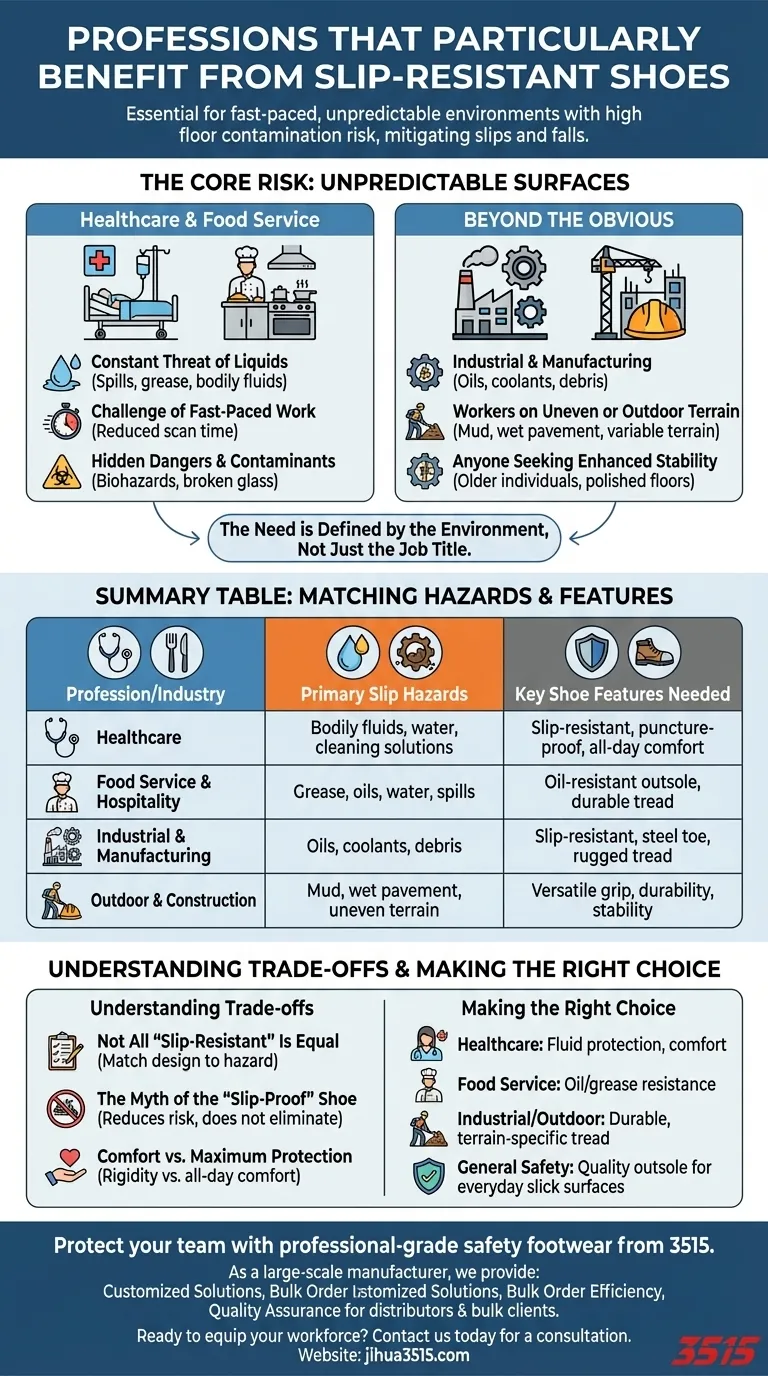
- If your primary focus is a healthcare setting: Prioritize footwear that protects against a wide range of fluid spills and offers all-day comfort for long shifts.
- If your primary focus is the food service or hospitality industry: Select a shoe specifically rated for oily and wet conditions, as grease is a primary and persistent slip hazard.
- If your primary focus is industrial or outdoor work: Look for a durable outsole with additional features like toe protection and a tread designed for uneven terrain.
- If your primary focus is general safety and stability: Choose a shoe with a quality outsole that provides confidence on everyday slick surfaces like wet pavement or polished floors.
Ultimately, selecting the right footwear is a proactive investment in your personal safety and professional longevity.
Summary Table:
| Profession/Industry | Primary Slip Hazards | Key Shoe Features Needed |
|---|---|---|
| Healthcare | Bodily fluids, water, cleaning solutions | Slip-resistant, puncture-proof, all-day comfort |
| Food Service & Hospitality | Grease, oils, water, spills | Oil-resistant outsole, durable tread |
| Industrial & Manufacturing | Oils, coolants, debris | Slip-resistant, steel toe, rugged tread |
| Outdoor & Construction | Mud, wet pavement, uneven terrain | Versatile grip, durability, stability |
Protect your team with professional-grade safety footwear from 3515.
As a large-scale manufacturer, 3515 produces a comprehensive range of slip-resistant shoes and boots for distributors, brand owners, and bulk clients. Our production capabilities encompass all types of safety footwear, designed to meet the specific demands of healthcare, food service, industrial, and outdoor professions.
We provide:
- Customized Solutions: Tailored designs to match your specific workplace hazards.
- Bulk Order Efficiency: Competitive pricing and reliable supply for large-volume needs.
- Quality Assurance: Durable, tested footwear that reduces slip risks and enhances worker safety.
Ready to equip your workforce with reliable safety footwear? Contact 3515 today for a consultation and discover how our manufacturing expertise can support your safety goals.
Visual Guide
Related Products
- Heavy-Duty Waterproof Nubuck Safety Boots Safety Shoes for Bulk Supply
- Premium Suede Sport Safety Shoes for Wholesale & Bulk Orders
- Durable Leather Moc Toe Work Boots for Wholesale & Custom Manufacturing
- Durable High-Traction Canvas Sneakers Wholesale & Custom Manufacturing
- Advanced KPU Athletic Safety Shoe with Steel Toe Cap Anti-Slip Rotary Lacing System
People Also Ask
- What primary protective functions do professional safety boots provide in urban solid waste recovery and waste picking processes? Discover Dual-Layer Protection.
- How do safety boots reduce cutting hazards? Essential Protection for Your Workforce
- Which organizations develop safety standards for work boots? Ensure Compliance & Worker Safety
- What are the common types of safety boots and their primary uses? A Guide to Industrial Footwear
- Why is ankle and arch support important in safety footwear? Prevent Injury & Fatigue