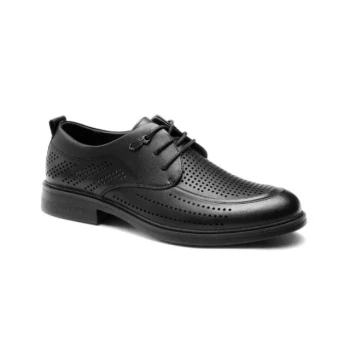
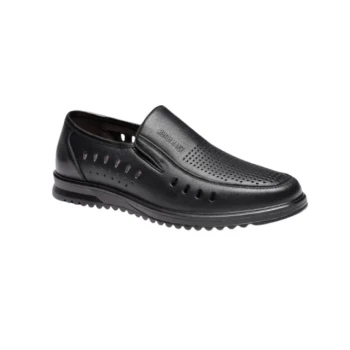
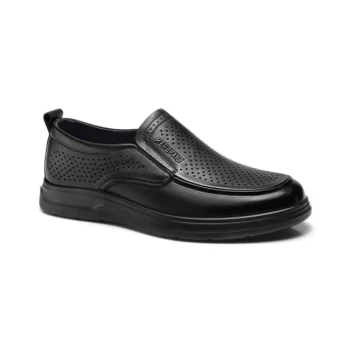
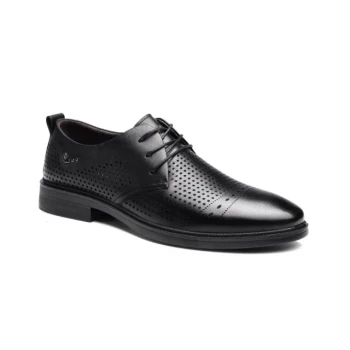
The best materials for breathable walking shoes are primarily engineered mesh, knit fabrics, and certain types of leather like suede or full-grain. These materials are chosen specifically for their ability to allow air to circulate freely, which is essential for managing heat and moisture during a walk.
The core decision is not about finding a single "best" material, but about understanding the trade-off between maximum airflow and structural durability. Synthetics like mesh offer superior ventilation, while leathers provide a balance of breathability and support.

The Champions of Airflow: Synthetics
Synthetic fabrics are engineered from the ground up for performance. They are the top choice when ventilation is the most critical factor, especially in warm or humid climates.
Engineered Mesh
Engineered mesh is a lightweight synthetic fabric, typically made from polyester or nylon, that features visible pores or perforations. This open-weave construction is its greatest strength, allowing air to pass through with minimal resistance. This makes it the industry standard for running and athletic walking shoes.
Knit Fabrics
Knit uppers function similarly to mesh but are constructed to provide a more flexible, sock-like fit. They conform to the shape of your foot while still offering excellent breathability. This material is prized for its combination of comfort and cooling.
The Natural Contenders: Leathers
While often associated with structure and durability, certain leathers offer a surprising degree of natural breathability, making them excellent for all-around walking shoes.
Full-Grain Leather
As a natural material, full-grain leather has inherent pores that allow moisture vapor to escape. While not as open as engineered mesh, it provides a solid balance of breathability, durability, and protection from the elements.
Suede
Suede is a type of leather with a soft, napped finish. Its fibrous texture makes it more porous and flexible than standard full-grain leather, resulting in better airflow. It offers a comfortable, breathable option for more casual walking.
Understanding the Trade-offs
Choosing the right material involves balancing competing needs. No single material excels in every category, so it's vital to know the potential downsides.
Breathability vs. Weather Resistance
Materials with the highest airflow, like open-weave mesh, offer almost no protection from water. A light rain or a step in a puddle will result in wet feet. Leather provides significantly more resistance to the elements.
Ventilation vs. Durability
Lightweight mesh and knit fabrics can be more susceptible to abrasion and tearing compared to the robust structure of full-grain leather. For rugged trails or heavy use, the durability of leather might be a more important factor than maximum ventilation.
Flexibility vs. Support
Highly flexible knit uppers provide excellent comfort but may offer less foot stability than a more structured leather shoe. Walkers who require more support for foot alignment should consider how the upper material contributes to the shoe's overall structure.
Making the Right Choice for Your Walk
Your ideal material depends entirely on your primary activity and environment.
- If your primary focus is exercising in warm weather: Choose an engineered mesh or knit upper for maximum ventilation to keep your feet cool and dry.
- If your primary focus is all-season durability and support: Look for a high-quality full-grain leather shoe that offers a reliable blend of structure and moderate breathability.
- If your primary focus is casual, everyday comfort: A suede or soft knit shoe provides an excellent balance of style, flexibility, and airflow for daily wear.
By aligning the material's properties with your specific needs, you can ensure your walking shoes provide optimal comfort and performance.
Summary Table:
| Material Type | Best For | Key Benefits | Key Trade-offs |
|---|---|---|---|
| Engineered Mesh | Warm weather exercise | Maximum ventilation, lightweight | Low weather resistance, less durable |
| Knit Fabrics | Casual comfort, flexible fit | Sock-like comfort, excellent airflow | Less structural support |
| Full-Grain Leather | All-season durability | Balance of breathability & support, durable | Less ventilation than synthetics |
| Suede | Casual everyday wear | Good airflow, soft and flexible | Requires more care |
Ready to source high-quality, breathable walking shoes?
As a large-scale manufacturer, 3515 produces a comprehensive range of footwear for distributors, brand owners, and bulk clients. Our production capabilities encompass all types of shoes and boots, including performance-driven athletic walkers with advanced mesh uppers and durable leather options for everyday wear.
We can help you find the perfect balance of materials for your target market, ensuring comfort, performance, and quality. Let's discuss your specific needs and how we can bring your vision to life.
Contact our expert team today for a consultation and quote!
Visual Guide

Related Products
- Lightweight Breathable Training Shoes for Wholesale & Custom OEM Manufacturing
- Wholesale Breathable Training Shoes Custom Athletic Footwear Manufacturer
- Lightweight Breathable Sneakers with Wet-Traction Grip for Wholesale & Private Label
- Wholesale Breathable Perforated Leather Derby Shoes with Modern Comfort Sole
- Wholesale Breathable Athletic Sneakers - Custom Lightweight Cushioned Footwear Manufacturer
People Also Ask
- Why are lightweight training shoes often preferred over professional hiking boots in urban walking? Maximize City Comfort
- What is the primary role of specialized training or orthopedic shoes? Enhance Safety in Elderly Balance Training
- Why are professional-grade training shoes essential for physical therapy? Ensure Patient Safety and Gait Stability
- Why are the slip-resistance and stability performance of training shoes critical in gait analysis? Ensure Data Accuracy
- Why is the use of flat-soled or professional training shoes essential for WBV? Maximize Vibration Energy Transfer