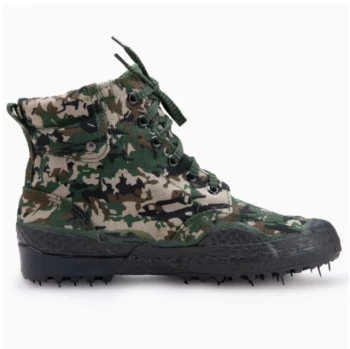
To significantly extend the lifespan of military camouflage boots, you must adopt a consistent maintenance routine focused on cleaning, drying, conditioning, and proper storage. This involves regularly removing abrasive dirt and grime, allowing boots to air-dry completely away from direct heat, applying material-specific conditioners and waterproofing agents, and using boot trees to maintain their structural shape when not in use.
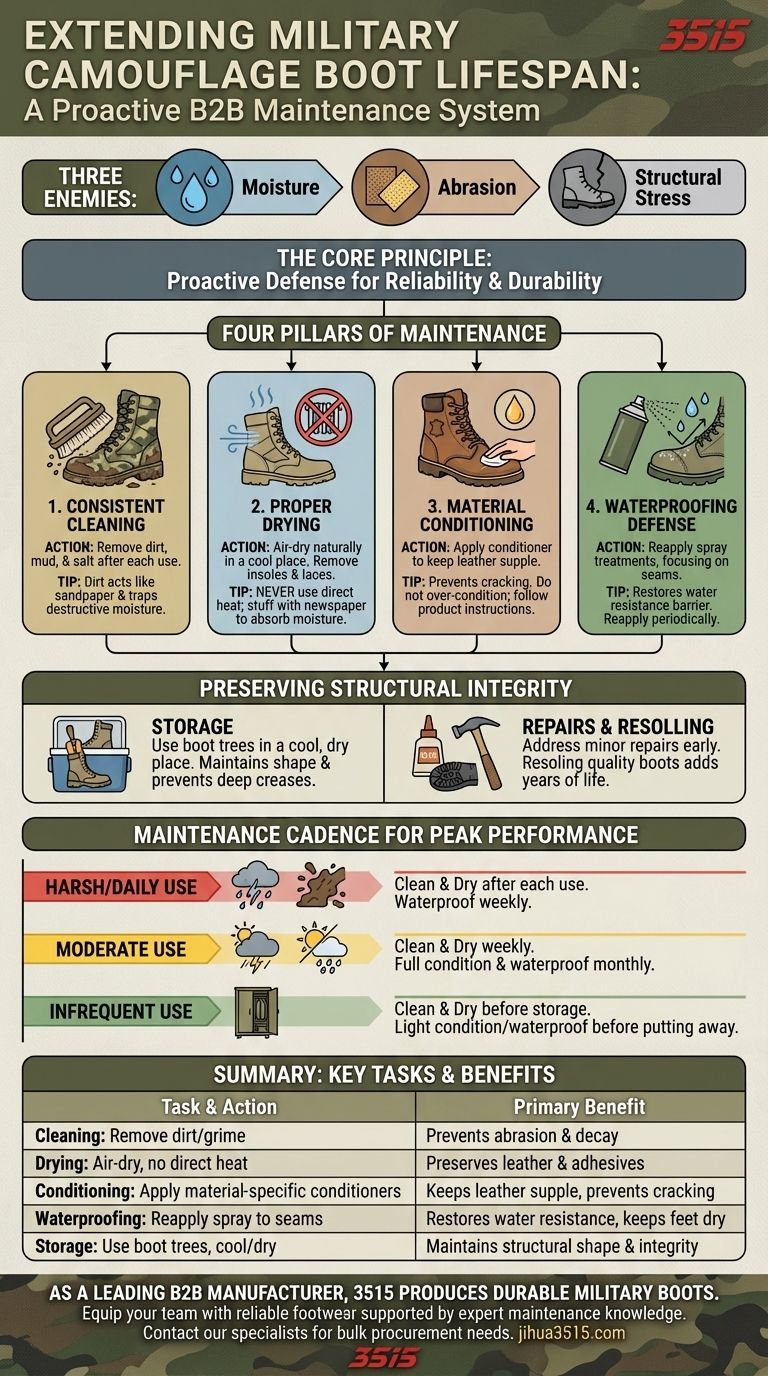
The core principle of boot longevity is not about a single action, but about a proactive system of defense against its three primary enemies: moisture, abrasion, and structural stress. Consistent care is an investment in the reliability and durability of your most critical gear.
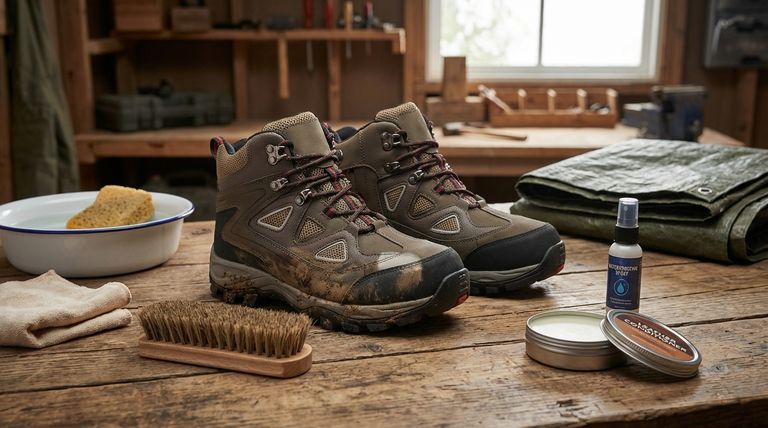
The Foundation: Consistent Cleaning and Drying
The most frequent and damaging elements your boots face are dirt and moisture. Managing them correctly is the first and most important step in any maintenance plan.
Why Regular Cleaning is Non-Negotiable
Dirt, mud, and salt are not just cosmetic issues; they are highly destructive. Caked-on debris acts like sandpaper, abrading the boot's fabric and leather with every step you take.
Furthermore, dirt traps moisture against the boot's surface, accelerating the breakdown of materials and compromising the effectiveness of any waterproofing treatments.
The Correct Drying Method
Never use direct heat—such as a campfire, radiator, or hair dryer—to dry your boots. Intense heat can crack leather, melt adhesives, and cause synthetic materials to become brittle and shrink.
The proper method is to let them air-dry naturally in a cool, well-ventilated area. Remove the insoles and loosen the laces to improve air circulation. Stuffing them with newspaper can help absorb excess moisture and speed up the process.
Proactive Defense: Conditioning and Waterproofing
Once clean and dry, the next step is to protect the boot's materials from the inside out and the outside in. This ensures they remain flexible and resistant to the elements.
Conditioning: Keeping Leather Supple
For boots with leather components, regular conditioning is essential. Conditioners and oils penetrate the leather, replenishing the fats and proteins that keep it flexible and strong.
Without conditioning, leather will dry out over time, leading to stiffness and eventually cracking, especially at flex points around the ankle and toes.
Waterproofing: Your First Line of Defense
Most military boots come with a water-resistant finish, but this wears off with use. Reapplying a waterproofing treatment, such as a spray-on product, restores this barrier.
Pay special attention to the seams, as these are the most common points for water to penetrate. A quality waterproofing treatment prevents water from soaking into the boot's outer layers, which keeps your feet dry and the boot lightweight.
Preserving Structural Integrity
How you handle your boots when they're off your feet is just as important as how you care for them after a mission. Proper storage and timely repairs prevent long-term structural failure.
The Importance of Proper Storage
When not in use, store your boots in a cool, dry place away from direct sunlight, which can degrade materials over time.
Using boot trees is highly recommended. They help the boots maintain their original shape, prevent deep creases from forming in the leather, and allow for better air circulation inside the boot.
Minor Repairs and Resoling
Address small issues before they become big ones. Use a durable shoe glue to repair minor separations between the sole and the upper.
For high-quality, well-built boots, resoling can add years to their life. If the upper part of the boot is still in good condition but the tread is worn down, a professional cobbler can replace the sole for a fraction of the cost of new boots.
Understanding the Trade-offs
Effective maintenance requires a balanced approach. Applying the wrong product or using too much of a good one can cause unintended harm.
Over-Conditioning Can Be Harmful
While essential, over-conditioning leather can make it too soft and stretchy. This can reduce the support the boot provides and make it more susceptible to cuts and scrapes. Follow the product's instructions and condition only when the leather appears dry.
The Limits of Waterproofing
Waterproofing treatments are not a one-time, permanent fix. They are surface coatings that wear off with abrasion and time. They must be reapplied periodically, especially after a thorough cleaning or heavy use in wet conditions.
Choosing the Right Products
Always use cleaners, conditioners, and waterproofing agents that are designed for the specific materials of your boots. A harsh cleaner can strip essential oils from leather, while a leather conditioner will be ineffective on synthetic fabric uppers.
A Maintenance Cadence for Peak Performance
Your approach should adapt to how you use your boots. Use these guidelines to create a routine that works for you.
- If you use your boots daily in harsh, wet, or muddy conditions: Clean them after each use, ensure they dry completely, and reapply waterproofing weekly or as needed.
- If your use is moderate or in dry environments: Clean them thoroughly as needed (at least weekly) and perform a full condition and waterproof treatment once a month.
- If your boots are used infrequently: Clean and dry them completely before storage and apply a light conditioning and waterproofing treatment before you put them away.
By treating your boots as a critical system, you ensure they will perform when you need them most.
Summary Table:
| Maintenance Task | Key Action | Primary Benefit |
|---|---|---|
| Cleaning | Remove dirt and grime after use | Prevents material abrasion and decay |
| Drying | Air-dry naturally, away from direct heat | Preserves leather and adhesives |
| Conditioning | Apply material-specific conditioners | Keeps leather supple and prevents cracking |
| Waterproofing | Reapply spray-on treatments to seams | Restores water resistance and keeps feet dry |
| Storage | Use boot trees in a cool, dry place | Maintains structural shape and integrity |
As a leading manufacturer, 3515 produces durable military boots built to last. But even the best gear needs proper care.
Our comprehensive range of footwear for distributors, brand owners, and bulk clients is designed for demanding environments. We understand the importance of durability and performance.
Let us help you equip your team with reliable footwear supported by expert maintenance knowledge. Contact our specialists today to discuss your bulk procurement needs and learn how our production capabilities can deliver the perfect boots for your requirements.
Visual Guide
Related Products
- Durable Spiked Camouflage Boots Wholesale & Factory Production
- Wholesale High-Traction Camo Boots - Custom Manufacturer for Brands
- Durable Military Combat Boots with Water Drainage for Wholesale & OEM
- High-Traction Suede Tactical Boots Wholesale & Custom Manufacturing
- Wholesale Durable Camouflage Canvas Shoes with High-Traction Cleated Rubber Sole
People Also Ask
- How does boot height affect waterproofing? Choose the Right Height for Ultimate Protection
- What are the best types of shoes for different gardening conditions? Find Your Perfect Match.
- What role does camouflage play in hunting boots? It's More Than Just a Pattern
- What should you look for to ensure boots are fully waterproof? The Essential 2-Part System
- How does boot construction affect waterproofing? The Science Behind Truly Dry Feet