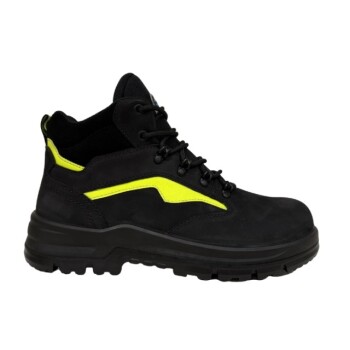
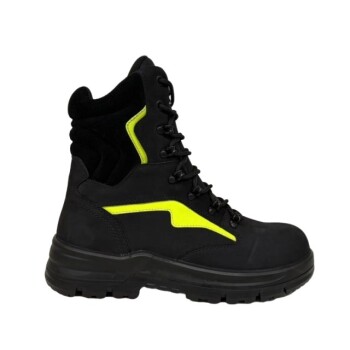
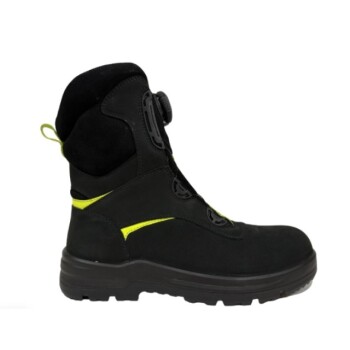
Industrial safety boots with all-weather protection serve as a fundamental stability system for outdoor operations in sectors like construction and transportation. These boots integrate anti-slip, waterproofing, and impact resistance technologies to help workers adapt to extreme environmental variability, ranging from intense sun to driving rain and wind. By eliminating fall hazards on slippery surfaces, they ensure personnel maintain stable physical capabilities and operational speed regardless of the weather.
Core Takeaway While standard boots offer basic shielding, all-weather safety footwear is designed specifically to sustain operational output. By neutralizing environmental risks like slippery terrain and water ingress, they transform safety equipment into a productivity tool that keeps labor-intensive projects moving during harsh conditions.
The Protective Mechanisms of All-Weather Footwear
The primary function of this equipment is to bridge the gap between environmental hazards and worker capability.
Environmental Adaptation
Outdoor sites in construction and transportation are subject to rapid weather changes. All-weather boots utilize waterproofing and durable materials to shield the foot from external moisture and exposure.
This protection extends beyond rain; it includes defense against wind and the degradation caused by prolonged exposure to the sun and extreme temperatures.
Stability and Fall Prevention
The most critical safety function is the elimination of fall hazards.
Operations in rain or mud create treacherous footing. These boots employ specialized anti-slip outsoles designed to grip slippery surfaces, ensuring the worker remains upright and mobile.
Impact Resistance
Construction and transportation zones are high-risk areas for falling objects or heavy machinery interaction.
All-weather boots incorporate impact resistance to protect the structural integrity of the foot. This feature is non-negotiable for maintaining the physical capability of the workforce in active lanes or construction zones.
Operational Impact on Productivity
Safety gear is often viewed solely as risk mitigation, but in this context, it is a driver of efficiency.
Maintaining Output
Adverse weather typically slows down labor-intensive industries.
By equipping workers with gear that handles the environment for them, companies ensure that output levels remain consistent. Workers do not need to slow down excessively to navigate wet terrain if their footing is secure.
Physical Capability Retention
Cold, wet, or injured feet drastically reduce a worker's physical capacity.
By maintaining a dry, stable, and protected environment for the foot, these boots allow employees to maintain stable physical operation capabilities. This ensures that fatigue and discomfort do not become bottlenecks for the project.
Understanding the Trade-offs
While all-weather protection is vital, it introduces specific compromises that must be managed.
Breathability vs. Waterproofing
Aggressive waterproofing seals moisture out, but it can also trap moisture (sweat) inside.
In hot environments (intense sun), this can lead to discomfort or overheating. High-quality boots attempt to balance this with breathable membranes, but complete waterproofing often reduces air circulation.
Weight vs. Fatigue
Robust protection, including impact resistance and heavy-duty anti-slip soles, adds material weight.
Heavier boots provide maximum safety but can increase leg fatigue over long shifts. This requires a careful assessment of how much protection is needed versus the mobility required for the specific role.
Making the Right Choice for Your Goal
Selecting the right footwear depends on the specific primary risks of your job site.
- If your primary focus is fall prevention in wet climates: Prioritize boots with aggressive anti-slip tread patterns and verified waterproofing to maintain stability on slick surfaces.
- If your primary focus is heavy industrial operation: Prioritize boots with maximum impact resistance to protect against crushed-foot injuries, accepting slightly higher weight as a necessary trade-off.
Ultimately, the right all-weather boot does not just protect the worker; it protects the project schedule by ensuring the environment never dictates the pace of work.
Summary Table:
| Core Function | Protection Mechanism | Operational Benefit |
|---|---|---|
| Waterproofing | Moisture-barrier membranes | Keeps feet dry, maintaining worker comfort and health. |
| Anti-Slip | Specialized grip outsoles | Eliminates fall hazards on mud, rain, and slippery surfaces. |
| Impact Resistance | Reinforced toe/structural shells | Protects against falling objects and heavy machinery. |
| Thermal Stability | Durable insulation/shielding | Maintains physical capability in extreme sun or cold. |
| Productivity | Ergonomic support systems | Ensures consistent output by neutralizing environmental risks. |
Scale Your Safety Footwear Supply with 3515
As a large-scale manufacturer serving distributors and brand owners, 3515 offers comprehensive production capabilities for all footwear types. Our flagship Safety Shoes series is engineered to provide the all-weather protection your clients need to maintain operational speed in harsh environments.
From industrial work and tactical boots to outdoor training shoes, sneakers, and elegant Dress & Formal shoes, we meet diverse bulk requirements with uncompromising quality. Partner with us to secure your supply chain and deliver superior protection to your market.
Contact Us Today to Discuss Your Bulk Order
References
- Ranjana Koirala, Ankit Nepal. Literature Review on Ergonomics, Ergonomics Practices, and Employee Performance. DOI: 10.3126/qjmss.v4i2.50322
This article is also based on technical information from 3515 Knowledge Base .
Related Products
- Premium Grain Leather Safety Boots for Bulk Supply
- Heavy-Duty Waterproof Nubuck Safety Boots Safety Shoes for Bulk Supply
- Durable Leather Work Boots for Wholesale & Custom Manufacturing
- Wholesale Premium Waterproof Nubuck Safety Shoes Boots
- Premium Waterproof Nubuck Safety Boots for Wholesale
People Also Ask
- What are the key features of safety boots? Essential Protection for Hazardous Workplaces
- What makes durable safety boots? The Ultimate Guide to Long-Lasting Work Footwear
- What are the consequences of not wearing safety boots? Protect Your Finances and Career
- Why is ankle and arch support important in safety footwear? Prevent Injury & Fatigue
- What are the common types of safety boots and their primary uses? A Guide to Industrial Footwear