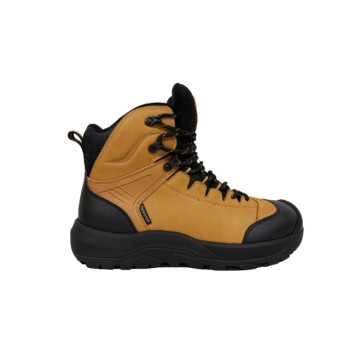
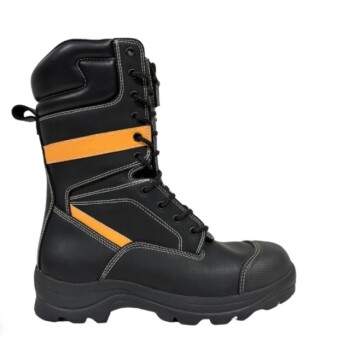
High-performance protective gear acts as a critical barrier against thermal stress. It significantly reduces the thermal load on the human body by effectively blocking direct solar radiation. For workers in high-risk sectors such as agriculture, construction, and transportation, this equipment is a vital mitigation strategy that lowers the risk of casualties during extreme weather conditions.
High-performance gear serves a dual purpose: it shields workers from external solar radiation and reduces systemic physical strain. However, this protection introduces a complex thermal dynamic where external heat is blocked, but internal metabolic heat may be trapped, requiring a calculated approach to safety.
Managing External Thermal Load
Blocking Solar Radiation
The primary function of high-performance gear in outdoor environments is to block direct solar radiation. By preventing this heat from acting directly on the skin, the gear reduces the immediate thermal load the body must manage.
Mitigating Casualties in High-Risk Sectors
Occupational health standards identify this gear as a vital component for assessing and mitigating physical risks. In industries like agriculture, construction, and transportation, the deployment of sun-protective and heat-insulating equipment is directly linked to a significant reduction in worker casualties during extreme heat events.
Systemic Health and Injury Prevention
Reducing Muscle Damage
In environments where the Wet Bulb Globe Temperature (WBGT) exceeds 29°C, physical stress accumulates rapidly over 6-8 hour shifts. High-quality safety footwear (such as tactical boots or industrial safety shoes) provides essential support that mitigates this physical stress.
Protecting Renal Health
Appropriate footwear does more than protect the feet; it reduces the risk of muscle damage caused by strenuous activity. By lowering physical strain and the resulting systemic inflammatory responses, this gear indirectly minimizes the burden on renal (kidney) health.
Understanding the Trade-offs
The Insulation Dilemma
While protective gear shields against external heat, it can inadvertently trap internal heat. Work boots, specifically, significantly increase the overall insulation of a laborer's attire.
Restricted Heat Dissipation
Heavy footwear restricts heat dissipation from the lower limbs. This creates a "heat trap" effect where the body struggles to release the thermal energy it generates.
Accumulation of Metabolic Heat
When calculating total heat stress, you must account for the metabolic heat caused by footwear. The insulation provided by boots directly correlates with a faster rate of increase in core body temperature, potentially offsetting some benefits of solar protection if not managed correctly.
Making the Right Choice for Your Goal
To maximize safety, you must balance external protection with internal heat management.
- If your primary focus is preventing heat stroke from solar exposure: Prioritize gear with high solar reflectivity and insulation properties to block external radiation.
- If your primary focus is long-term physical endurance: Select footwear that offers maximum support to prevent muscle damage and systemic inflammation, while strictly monitoring work-rest cycles.
- If your primary focus is managing core body temperature: Factor in the "insulation penalty" of heavy boots and adjust workload calculations to account for restricted heat dissipation.
Effective protection requires a holistic strategy that blocks the sun without trapping the worker's internal heat.
Summary Table:
| Protection Category | Key Benefit | Impact on Worker Safety |
|---|---|---|
| Solar Protection | Blocks direct radiation | Reduces external thermal load and heat stroke risk |
| Heat Insulation | Thermal barrier | Lowers risk of casualties in construction and agriculture |
| Supportive Footwear | Reduces muscle damage | Protects renal health and prevents systemic inflammation |
| Metabolic Management | Core temp regulation | Balances insulation with the need for heat dissipation |
Maximize Worker Safety with 3515 High-Performance Gear
Protect your workforce from the elements and physical strain with specialized footwear solutions from 3515. As a large-scale manufacturer serving distributors and brand owners worldwide, we provide comprehensive production capabilities for all footwear types. Our flagship Safety Shoes series, alongside our tactical boots, outdoor shoes, and training sneakers, are engineered to balance superior heat insulation with the physical support necessary for high-risk environments.
Whether you are looking to source high-durability work boots or specialized dress shoes for bulk requirements, 3515 offers the expertise and scale to meet your needs. Contact us today to discuss your bulk requirements and enhance your product portfolio!
References
- Maricla Marrone, Gerardo Cazzato. Heat Stroke in the Work Environment: Case Report of an Underestimated Phenomenon. DOI: 10.3390/ijerph20054028
This article is also based on technical information from 3515 Knowledge Base .
Related Products
- High Performance Fire-Retardant Waterproof Safety Boots
- Premium Wholesale Waterproof Safety Boots High Performance Protection for Industrial Markets
- Premium Insulated Safety Boots and Shoes for Wholesale & Bulk Orders
- Premium Grain Leather Safety Boots for Bulk Supply
- High-Traction Suede Tactical Boots Wholesale & Custom Manufacturing
People Also Ask
- Why are waterproof safety boots recommended for certain work environments? Essential Protection for Wet & Hazardous Jobs
- What roles do 3D vision systems and industrial robots play in the manufacturing of fire safety boots? Smart Automation
- What should you look for to ensure boots are fully waterproof? The Essential 2-Part System
- What is the difference between waterproof, water-resistant, and water-repellent boots? Choose the Right Protection for Your Feet
- How can you ensure your feet stay dry during winter walks? A Two-Part Defense System for Total Comfort