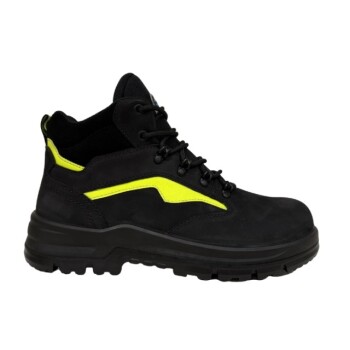
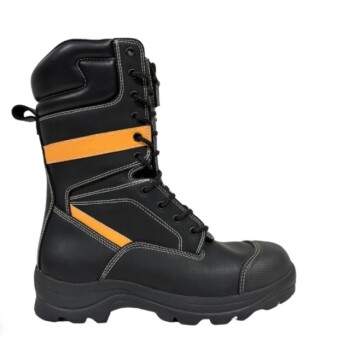
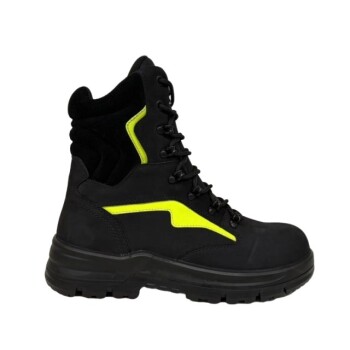
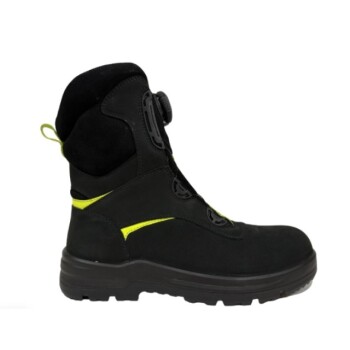
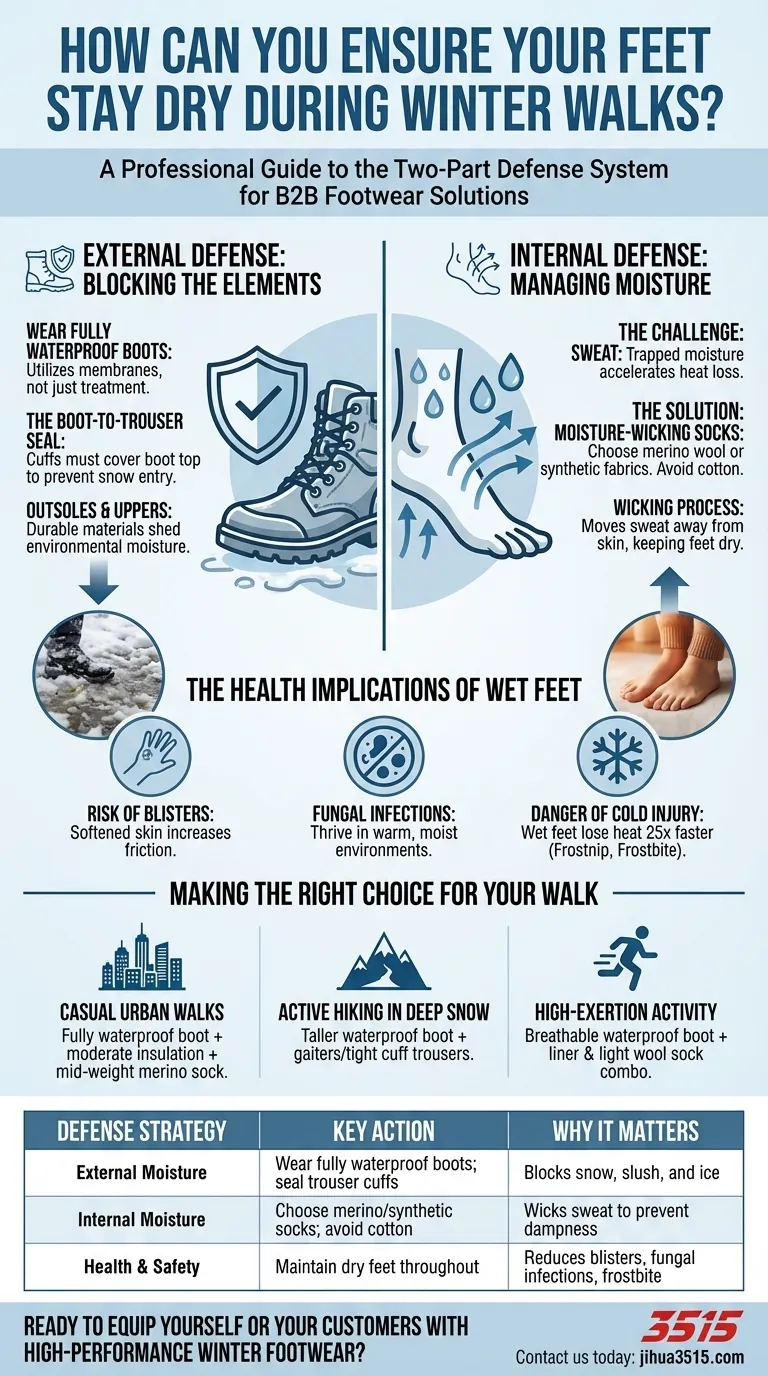
To ensure your feet stay dry during winter walks, you must use a two-part defense system. The first part is external: wear fully waterproof boots and ensure your trousers cover the top of the boot to prevent snow and slush from entering. The second part is internal: manage sweat with the right choice of socks.
The core principle of dry winter feet is not just blocking external water, but actively managing internal moisture from sweat. A waterproof boot alone is insufficient; it must be part of a complete system that includes moisture-wicking socks.
The Foundation: Blocking External Moisture
The most obvious threat to dry feet is the snow, ice, and slush you walk through. Your footwear is the primary barrier against this environmental moisture.
Understanding Waterproofing
A truly waterproof boot uses a dedicated membrane or lining that prevents water molecules from passing through. This is different from a water-resistant material, which is typically a treated upper that sheds water but will eventually soak through under sustained exposure.
The Boot-to-Trouser Seal
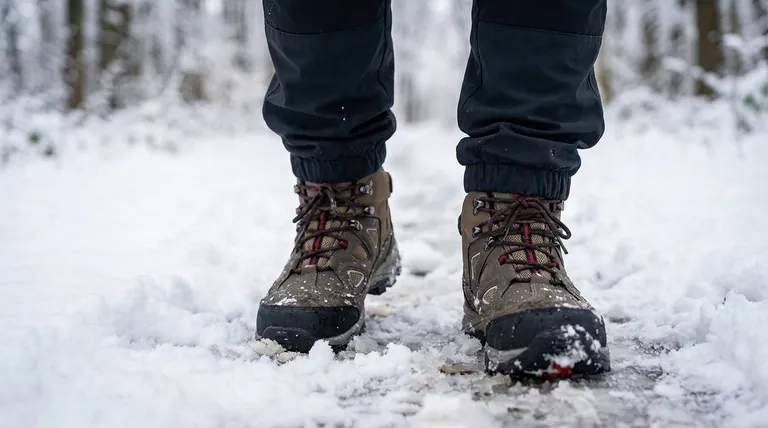
Even the best waterproof boots will fail if snow or water gets in over the top. Wearing trousers with a cuff that fits snugly over the boot creates a seal, which is your most effective defense against this common point of failure.
The Role of Outsoles and Uppers
The outer materials of your boots, including the rubber outsole and the leather or synthetic upper, serve as the first line of defense. While the internal waterproof membrane does the heavy lifting, a durable and well-treated exterior prevents the boot from becoming waterlogged and heavy.
The Unseen Challenge: Managing Internal Moisture
Once you've blocked water from the outside, the battle for dryness moves inside the boot. Your feet produce a significant amount of sweat, especially during a brisk walk.
Why Sweat is a Problem
Trapped sweat makes your socks and skin damp, creating a cold, clammy feeling. This moisture dramatically accelerates heat loss, which can lead to dangerously cold feet even in well-insulated boots.
The Sock is Your Solution
Cotton socks are a liability in winter. Cotton absorbs moisture and holds it against your skin, promoting coldness and blisters. Instead, choose socks made from merino wool or synthetic fabrics. These materials wick moisture away from your skin, keeping your feet feeling drier and warmer.
The Health Implications of Wet Feet
Maintaining dry feet is not just about comfort; it is a critical component of health and safety in cold weather.
The Risk of Blisters
Moisture softens the skin and increases friction inside your boot. This combination is the primary cause of painful blisters, which can quickly ruin a walk and lead to infection.
The Threat of Fungal Infections
Fungal bacteria thrive in warm, moist environments. Consistently damp feet create the perfect conditions for issues like athlete's foot, as noted in medical guidance.
The Danger of Cold Injury
Wet feet lose heat up to 25 times faster than dry feet. This drastically increases your risk of developing frostnip or the more severe condition of frostbite, especially as temperatures drop toward freezing.
Making the Right Choice for Your Walk
Select your gear based on the specific conditions and your activity level to create an effective system for keeping your feet dry.
- If your primary focus is casual walks in slushy, urban conditions: A fully waterproof boot with moderate insulation paired with a single, mid-weight merino wool sock is your most effective combination.
- If your primary focus is active hiking in deep snow: Choose a taller waterproof boot and use waterproof trousers with a tight cuff or separate gaiters to create a robust seal against snow entry.
- If your primary focus is preventing sweat during high-exertion activity: Prioritize breathability in your waterproof boot choice and wear a thin synthetic liner sock underneath a light wool sock to maximize moisture wicking.
By treating your footwear and socks as an integrated system, you can effectively manage moisture from both the inside and the outside, ensuring a safe and comfortable winter walk.
Summary Table:
| Defense Strategy | Key Action | Why It Matters |
|---|---|---|
| External Moisture | Wear fully waterproof boots; seal trouser cuffs over boots. | Blocks snow, slush, and ice from entering. |
| Internal Moisture | Choose merino wool or synthetic socks; avoid cotton. | Wicks sweat away from skin to prevent dampness and cold. |
| Health & Safety | Maintain dry feet throughout your walk. | Reduces risk of blisters, fungal infections, and frostbite. |
Ready to equip yourself or your customers with high-performance winter footwear?
As a large-scale manufacturer, 3515 produces a comprehensive range of waterproof boots and shoes for distributors, brand owners, and bulk clients. Our production capabilities encompass all types of durable, comfortable footwear designed to meet the demands of winter conditions.
Contact us today to discuss your needs and discover how we can provide reliable, high-quality footwear solutions for your market.
Visual Guide
Related Products
- Premium Wholesale Waterproof Safety Boots High Performance Protection for Industrial Markets
- High Performance Fire-Retardant Waterproof Safety Boots
- Wholesale Premium Waterproof Nubuck Safety Shoes Boots
- Premium Flame-Retardant Waterproof Safety Boots and Shoes
- Durable Waterproof Rain Boots | Custom Manufacturer for Wholesale & Brands
People Also Ask
- What weather and chemical protections do premium boots offer? Your Complete Guide to Safety & Performance
- Why are waterproof safety boots recommended for certain work environments? Essential Protection for Wet & Hazardous Jobs
- What are the primary protective functions of industrial safety boots in oil palm plantations? Master Rough Terrain Safety
- Why are oil-resistant and anti-slip properties critical for industrial safety boots? Expert Outsole Engineering Guide
- What are the best types of shoes for different gardening conditions? Find Your Perfect Match.