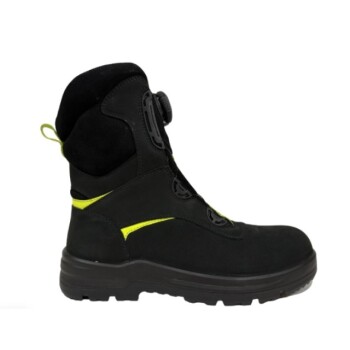
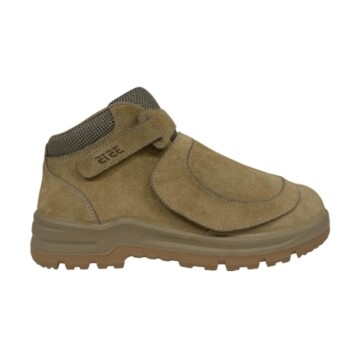
In short, the primary role of the toecap in tactical boots is protection. It is a reinforced layer integrated into the front of the boot designed to shield your toes from impact, compression, and abrasion. This critical component can be made from various materials, most commonly steel or a hard composite plastic.
The choice of toecap material is not just about protection; it represents a fundamental trade-off between maximum impact resistance and the tactical need for lightweight mobility and stealth.
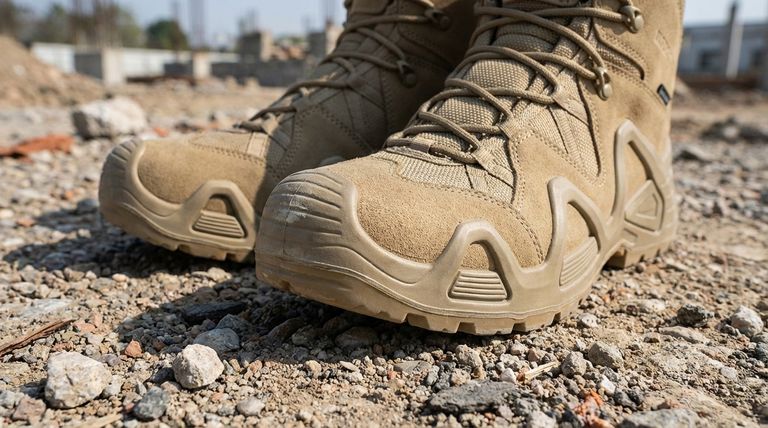
The Primary Function: Toe Protection
A reinforced toecap serves as the boot's first line of defense in hazardous environments. Its function is straightforward but critical for safety and operational effectiveness.
Impact and Compression Resistance
The most obvious role is to guard against injury from falling objects or crushing forces. A steel or composite cap distributes the force of an impact across a wider area, preventing broken bones and other severe injuries.
Abrasion and Puncture Shielding
In rugged terrain, the toecap also protects the front of the boot and the wearer's foot from sharp rocks, debris, and general abrasion. This enhances the durability of the boot itself while providing an extra layer of safety.
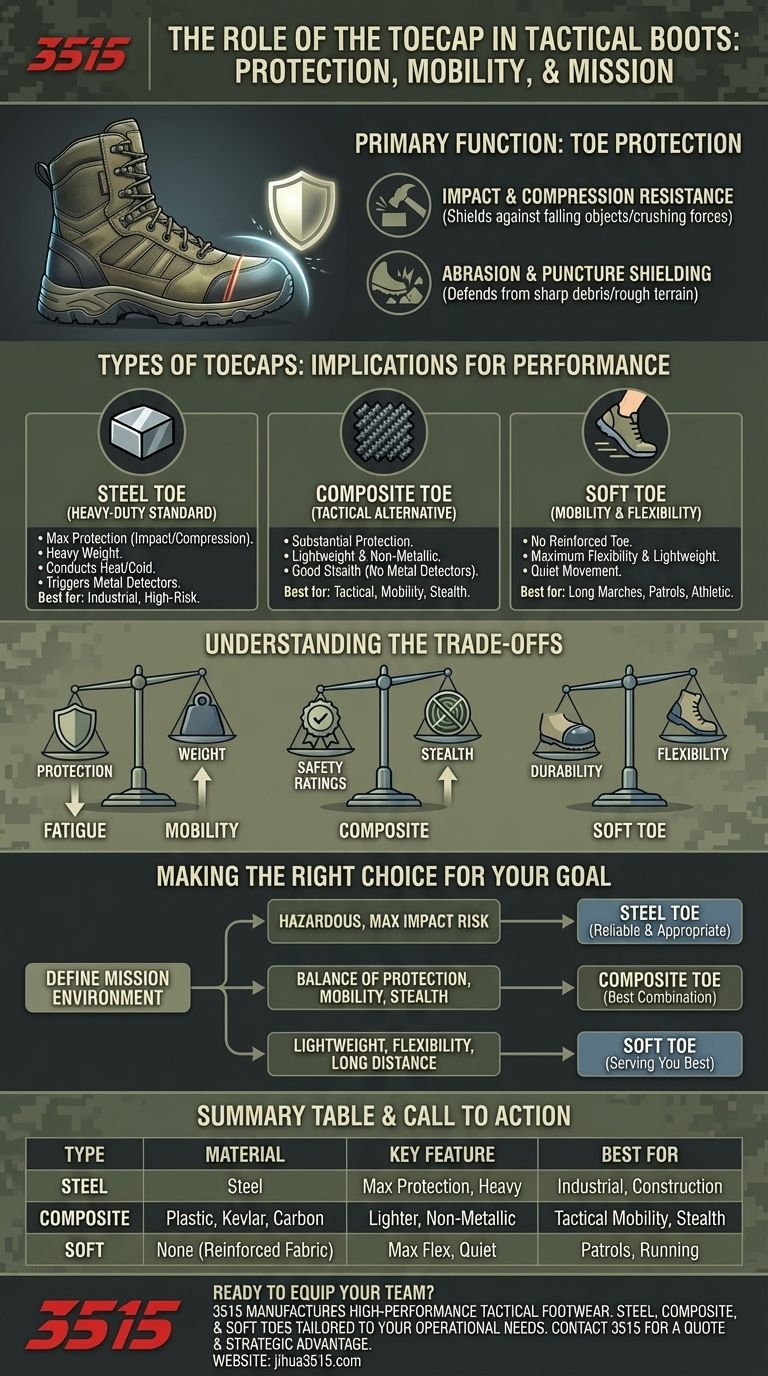
Types of Toecaps and Their Implications
The material used for the toecap dramatically changes the boot's performance characteristics. Understanding this difference is key to selecting the right footwear for your specific needs.
Steel Toes: The Heavy-Duty Standard
Steel offers the highest level of protection against impact and compression. Boots with steel toes are the standard in industrial, construction, and heavy-duty work environments where the risk of severe impact is high.
Composite Toes: The Tactical Alternative
Composite toecaps are made from non-metallic materials like hard plastic, Kevlar, or carbon fiber. They provide substantial protection but are significantly lighter than steel.
This makes them ideal for tactical applications where agility and speed are paramount. They also do not conduct heat or cold and will not set off metal detectors, a crucial feature for many security and military personnel.
Soft Toes: For Mobility and Flexibility
Many tactical boots do not have a reinforced safety toe. These "soft-toe" models prioritize being lightweight, flexible, and quiet, which is often more important for roles that involve long marches, patrols, or running.
Understanding the Trade-offs
Choosing a boot isn't about finding the "best" toecap, but the most appropriate one. Each type comes with a clear set of compromises.
Protection vs. Weight
A steel toe offers maximum protection but adds significant weight, which can lead to fatigue over long periods. A composite toe offers less extreme protection but saves weight, enhancing mobility and reducing physical strain.
Safety Ratings vs. Stealth
Steel and composite toes are often certified under specific safety standards (e.g., ASTM). However, the metallic nature of a steel toe is a disadvantage in secure areas with metal detectors, making composite the clear choice for stealth and convenience.
Durability vs. Flexibility
While a reinforced toe adds immense durability to the front of the boot, it can reduce overall flexibility. A soft-toe boot provides the most natural foot movement, which can be preferable for athletic maneuvers or long-distance movement over even terrain.
Making the Right Choice for Your Goal
To select the correct boot, you must first define your operational environment and primary mission.
- If your primary focus is maximum impact protection in a hazardous environment: A steel toe is the most reliable and appropriate choice.
- If your primary focus is a balance of protection, mobility, and stealth: A composite toe offers the best combination of features for most tactical roles.
- If your primary focus is lightweight performance, flexibility, and comfort for long movements: A soft-toe boot will serve you best.
Ultimately, understanding the role of the toecap empowers you to select a boot that functions as a true tool for your specific mission.
Summary Table:
| Toecap Type | Primary Material | Key Features | Best For |
|---|---|---|---|
| Steel Toe | Steel | Maximum impact/compression resistance, heavy-duty | Industrial, construction, high-risk environments |
| Composite Toe | Plastic, Kevlar, Carbon Fiber | Lighter weight, non-metallic, good protection | Tactical roles requiring mobility and stealth |
| Soft Toe | None (Reinforced Fabric/Leather) | Maximum flexibility, lightweight, quiet | Long marches, patrols, running, athletic maneuvers |
Ready to Equip Your Team with the Right Tactical Boots?
As a large-scale manufacturer, 3515 produces a comprehensive range of high-performance tactical footwear for distributors, brand owners, and bulk clients. Our production capabilities encompass all types of boots, including those with steel, composite, and soft toes, tailored to your specific operational needs.
We provide the durability, protection, and mobility your team requires. Let us help you source the perfect tactical footwear.
Contact 3515 today for a quote and discover how our manufacturing expertise can become your strategic advantage.
Visual Guide
Related Products
- Durable Leather Tactical Boots Wholesale & Custom Manufacturing for Brands
- High-Traction Suede Tactical Boots Wholesale & Custom Manufacturing
- Durable High-Ankle Tactical Boots Wholesale Manufacturer for Custom & Bulk Orders
- Durable Leather High-Ankle Tactical Boots for Wholesale & Custom Manufacturing
- Durable High-Ankle Tactical Boots for Wholesale & Custom Manufacturing
People Also Ask
- What specialized protections do tactical boots offer? Maximize Endurance with High-Performance Footwear
- What features should law enforcement officers look for in tactical boots? Essential Guide for Safety & Performance
- Importance of Professional Tactical Boots in Loess Gully Regions: Ensure Safety and Precision for Field Monitoring
- What is rucking, and why are tactical boots suitable for it? Discover the Ultimate Footwear for Heavy Loads
- What makes the traction of tactical boots superior? Unlock the Science of Unbeatable Grip