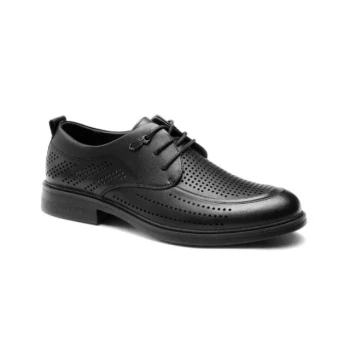
Artificial sweat serves as a critical environmental simulator in the safety testing of footwear. It allows researchers to replicate the physiological conditions of the human foot to determine if materials remain chemically stable during actual use. This process is essential for identifying whether safe manufacturing chemicals degrade into harmful toxins when exposed to body heat and moisture.
The core value of using artificial sweat is to uncover "hidden" safety risks that static testing misses. By immersing materials at 37°C, researchers can detect if compounds like acetophenone azine undergo hydrolysis, breaking down into toxic secondary metabolites like hydrazine.
Simulating the Real-World Environment
Replicating Physiological Conditions
The interior of a shoe or shin guard is a biologically active environment, not a sterile storage container. To assess safety accurately, researchers immerse footwear materials in artificial sweat heated to 37°C. This precisely mimics the thermal and fluid contact a product experiences while being worn by a human.
Bridging the Gap Between Lab and Life
Standard chemical tests often analyze materials in a dry, room-temperature state. However, products like socks and shoes function in a high-humidity, warm environment. Artificial sweat introduces the necessary variable of moisture exposure, which is often the catalyst for chemical changes that occur post-manufacturing.
Detecting Hidden Chemical Transformations
The Mechanism of Hydrolysis
The presence of artificial sweat facilitates hydrolysis, a reaction where water breaks down chemical bonds. This process can destabilize chemical substances that appear stable on a safety data sheet. The assessment proves whether the material holds its chemical integrity or begins to decompose when in contact with the user.
Identifying Toxic Metabolites
The primary goal of this assessment is to track the formation of secondary metabolites. A chemical used in production might be benign in its original form but dangerous after degrading. This testing protocol ensures that the breakdown products generated during wear do not pose a health risk to the consumer.
The Specific Risk of Acetophenone Azine
A critical application of this method is monitoring acetophenone azine. Through the artificial sweat test, researchers can observe if this specific substance degrades into hydrazine. Hydrazine is a harmful metabolite, and its detection via this method allows manufacturers to prevent potential long-term toxicity issues.
Understanding the Limitations of Simulation
Controlled vs. Dynamic Variables
While immersion at 37°C provides a strong baseline for chemical stability, it remains a controlled laboratory model. Real-world footwear usage involves variables this test may not fully capture, such as mechanical friction, fluctuating bacterial loads, or rapid temperature spikes during intense athletic performance.
Target Specificity
The effectiveness of this assessment relies on knowing which metabolites to look for, such as hydrazine. If a material contains novel chemicals with unknown degradation pathways, standard screening in artificial sweat might miss unexpected byproducts unless broad-spectrum analysis is applied.
Ensuring Material Safety in Footwear Design
To utilize artificial sweat assessments effectively for product safety, consider your specific testing objectives:
- If your primary focus is Consumer Safety: Prioritize testing for the hydrolysis of acetophenone azine to ensure no toxic hydrazine is released during wear.
- If your primary focus is Material R&D: Use the 37°C immersion test to screen new synthetic compounds for stability before approving them for mass production.
By treating the shoe environment as a chemical reactor rather than a static object, manufacturers can guarantee that footwear remains safe not just on the shelf, but during the rigors of human use.
Summary Table:
| Feature | Testing Specification | Role in Stability Assessment |
|---|---|---|
| Temperature | 37°C | Replicates human body heat for realistic chemical reactions. |
| Chemical Driver | Artificial Sweat | Facilitates hydrolysis to break down unstable material bonds. |
| Key Target | Acetophenone Azine | Monitored to prevent degradation into toxic hydrazine. |
| Metric | Secondary Metabolites | Identifies harmful substances formed during active product use. |
Partner with 3515 for Certified Safety and Quality
As a premier large-scale manufacturer serving global distributors and brand owners, 3515 leverages rigorous testing protocols to ensure every product meets the highest chemical stability standards. Our comprehensive production capabilities allow us to deliver a wide range of footwear, including our flagship Safety Shoes, tactical boots, outdoor gear, and dress shoes.
By choosing 3515, you gain a partner dedicated to eliminating hidden safety risks like chemical degradation, ensuring your brand provides only the safest, most durable products to your customers. Contact us today to discuss your bulk manufacturing requirements and see how our expertise can add value to your footwear portfolio.
References
- Isabelle Manière, Christophe Rousselle. Sensitization properties of acetophenone azine, a new skin sensitizer identified in textile. DOI: 10.1111/cod.14216
This article is also based on technical information from 3515 Knowledge Base .
Related Products
- Durable Leather Work Boots for Wholesale & Custom Manufacturing
- Durable Leather High-Ankle Tactical Boots for Wholesale & Custom Manufacturing
- Durable Leather Tactical Boots Wholesale & Custom Manufacturing for Brands
- Custom Manufactured Air Cushion Leather Business Shoes for Wholesale
- Durable Goodyear Welt Leather Work Boots for Wholesale & Private Label
People Also Ask
- What is the difference between full-grain and top-grain leather? Premium Material Guide for Boot Manufacturers
- What are the common workplace hazards that can be mitigated with the right work boots? Protect Your Workforce
- What are the common foot issues workers face due to uncomfortable work boots? Prevent Pain & Deformities
- What are the advantages of leather versus synthetic work boots? A Guide to Choosing the Right Material
- What are the key components of modern work boots? Engineered for Ultimate Durability and Comfort