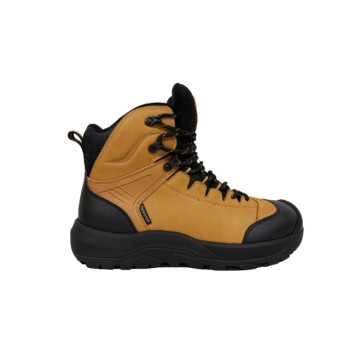
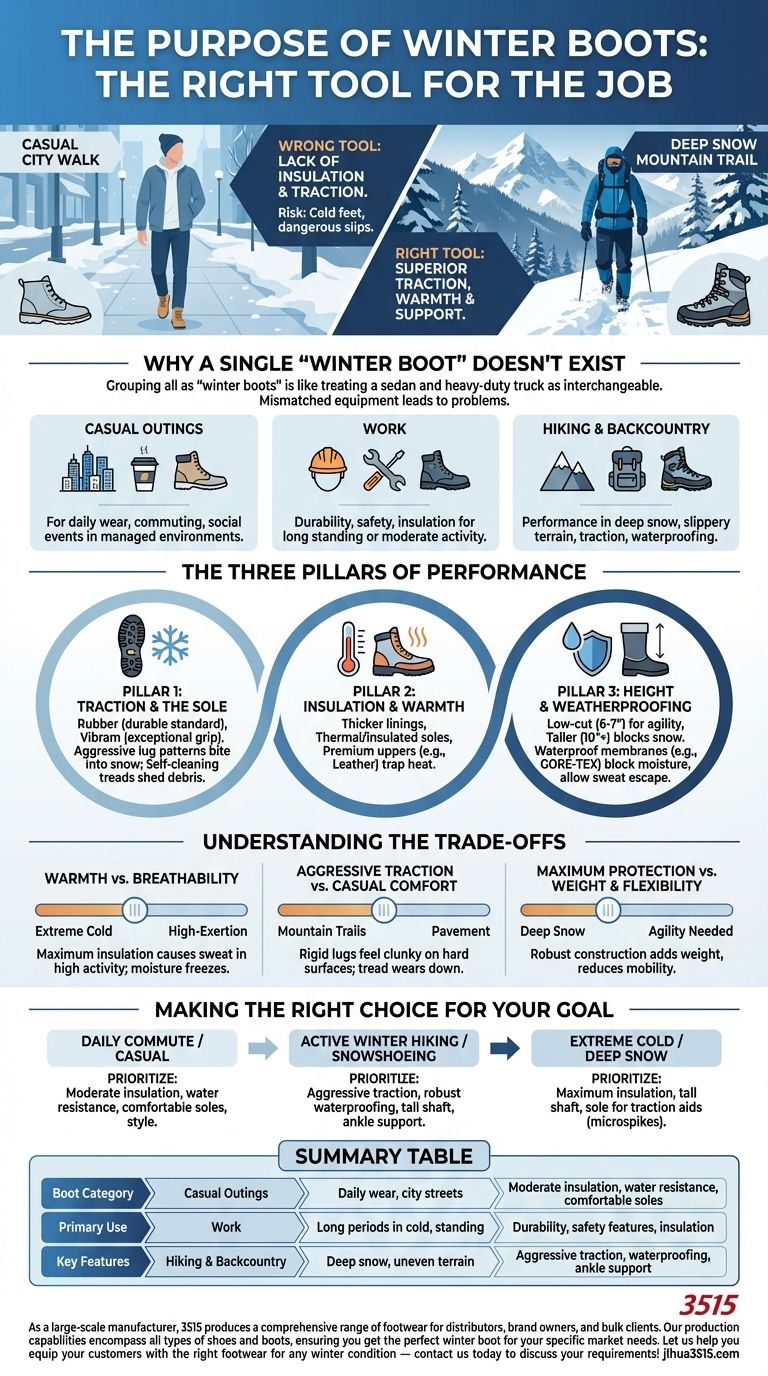
The primary purpose of discussing different types of winter boots is to ensure you select the right tool for a specific job. A boot designed for a casual city walk will fail you in deep snow on a mountain trail, and vice-versa. Understanding the distinctions in design, materials, and features empowers you to make an informed decision based on your actual needs, ensuring safety, comfort, and warmth.
Choosing a winter boot isn't about finding one "best" boot; it's about understanding the fundamental trade-offs between traction, insulation, and protection. By matching a boot's specific design features to your intended activity, you avoid common pitfalls like cold feet, dangerous slips, or unnecessary bulk.
Why a Single "Winter Boot" Doesn't Exist
The term "winter boot" is a broad category covering footwear with vastly different capabilities. Grouping them all together is like treating a sedan and a heavy-duty truck as interchangeable simply because they are both "vehicles."
The Core Problem: Mismatched Equipment
Using the wrong boot for the conditions creates predictable problems. A lightweight, casual boot lacks the insulation for prolonged exposure in freezing temperatures and the traction for icy trails.
Conversely, a high-performance backcountry boot is often too stiff, heavy, and warm for a simple commute, leading to discomfort and sweaty feet.
Defining Your Primary Use Case
To narrow your search, winter boots are best categorized by their intended application. The main categories are:
- Casual Outings: For daily wear, commuting, and social events in cold but managed environments like city streets.
- Work: Often focused on durability, safety features, and insulation for long periods of standing or moderate activity in the cold.
- Hiking & Backcountry: Engineered for performance in deep snow and on slippery, uneven terrain, prioritizing traction, waterproofing, and support.
Deconstructing the Boot: The Three Pillars of Performance
Every winter boot is an exercise in engineering, balancing three critical performance pillars. Understanding these components is the key to evaluating any boot.
Pillar 1: Traction and The Sole
A boot's sole is its interface with the ground, making it critical for safety.
Different sole materials offer distinct benefits. Rubber is a durable, water-resistant standard, while specialized compounds like Vibram are known for exceptional grip and longevity on rugged terrain.
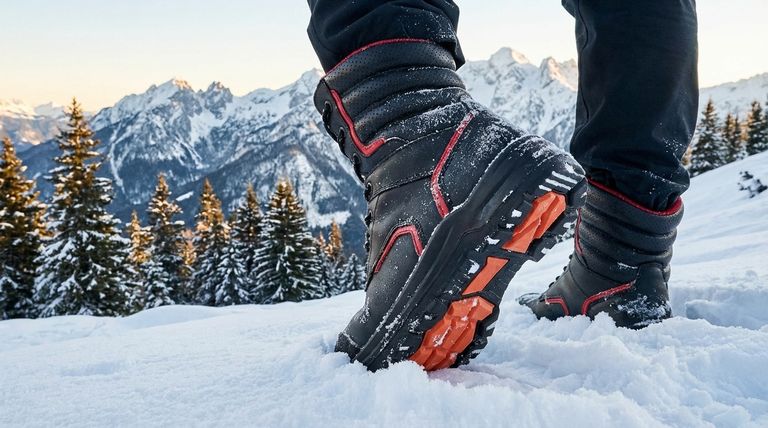
The design of the outsole is just as important. Aggressive lug patterns and deep treads are designed to bite into snow and mud, while some soles feature self-cleaning treads that shed debris to maintain grip.
Pillar 2: Insulation and Warmth
Insulation is what keeps your feet warm by trapping air and slowing heat loss to the cold ground.
This is achieved with thicker lining materials inside the boot. Some boots also feature thermal or insulated soles that add a crucial barrier between your foot and the frozen surface below. Premium uppers made of materials like leather also contribute to warmth and protection.
Pillar 3: Height and Weatherproofing
The height of the boot shaft serves a simple but vital purpose: keeping snow out.
Low-cut boots (6-7 inches) are lighter and offer more ankle flexibility, making them suitable for light snow or cleared paths. Taller boots (10+ inches) provide superior protection for trudging through deep snowdrifts.
Most quality winter boots also incorporate a waterproof membrane, such as GORE-TEX, which is a layer built into the boot's upper to block moisture from entering while still allowing sweat to escape.
Understanding the Trade-offs
There is no perfect, do-it-all winter boot. Every design choice that enhances one capability often comes at the expense of another. Being aware of these compromises is crucial.
Warmth vs. Breathability
Maximum insulation is excellent for standing still in extreme cold but can cause your feet to sweat excessively during high-exertion activities like winter hiking. This moisture can then freeze, making your feet even colder.
Aggressive Traction vs. Casual Comfort
Boots with deep, rigid lugs designed for mountain trails can feel clunky and uncomfortable on hard, flat surfaces like pavement. The aggressive tread may also wear down more quickly on abrasive concrete.
Maximum Protection vs. Weight and Flexibility
Tall, heavily-built boots offer the best protection from deep snow and harsh conditions. However, this robust construction adds significant weight and reduces ankle mobility, making them less ideal for situations where agility is needed.
Making the Right Choice for Your Goal
To select the correct boot, start by defining your primary environment and activity level.
- If your primary focus is daily commuting and casual city wear: Prioritize moderate insulation, water resistance, and comfortable soles designed for pavement, with style as a key factor.
- If your primary focus is active winter hiking or snowshoeing: Prioritize aggressive outsole traction, robust waterproofing, and a taller shaft that offers ankle support.
- If your primary focus is extreme cold and deep snow: Prioritize maximum insulation, a tall shaft height to block snow entry, and a sole that can accommodate traction aids like microspikes.
By breaking down a boot into its core functions, you can confidently choose the right protection for any winter condition.
Summary Table:
| Boot Category | Primary Use | Key Features |
|---|---|---|
| Casual Outings | Daily wear, city streets | Moderate insulation, water resistance, comfortable soles |
| Work | Long periods in cold, standing | Durability, safety features, insulation |
| Hiking & Backcountry | Deep snow, uneven terrain | Aggressive traction, waterproofing, ankle support |
As a large-scale manufacturer, 3515 produces a comprehensive range of footwear for distributors, brand owners, and bulk clients. Our production capabilities encompass all types of shoes and boots, ensuring you get the perfect winter boot for your specific market needs. Let us help you equip your customers with the right footwear for any winter condition — contact us today to discuss your requirements!
Visual Guide
Related Products
- Premium Insulated Safety Boots and Shoes for Wholesale & Bulk Orders
- Factory Direct Wholesale Rain Boots Durable Waterproof & Fully Customizable
- Durable Waterproof Rain Boots | Custom Manufacturer for Wholesale & Brands
- Wholesale Waterproof Tactical Boots Custom Suede & High-Traction Soles
- Premium Waterproof High-Cut Industrial Safety Boots for Wholesale and Bulk Orders
People Also Ask
- What are the recommended insulation ratings for mild winter conditions? A Guide for Active & Stationary Workers
- How does insulation thickness correlate with temperature ranges? A Guide to Choosing the Right Warmth
- What insulation level is needed for severe cold and stationary work? 1200g or Higher is Essential
- What safety advantages do insulated boots offer beyond warmth? Dielectric Protection & Superior Grip
- How does fleece lining contribute to the warmth of insulated boots? Trapping Air for Superior Cold Protection