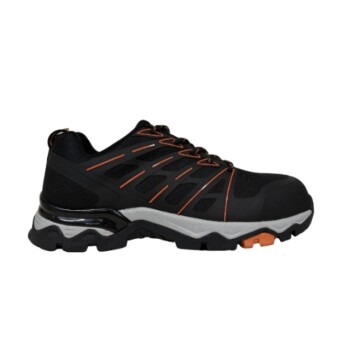
Beyond a simple workplace rule, wearing safety shoes is a critical component of a functional Personal Protective Equipment (PPE) program. Their importance lies in serving as the first and most direct line of defense for a worker's feet against a wide range of common industrial hazards, preventing injuries that cause significant pain, lost workdays, and reduced productivity.
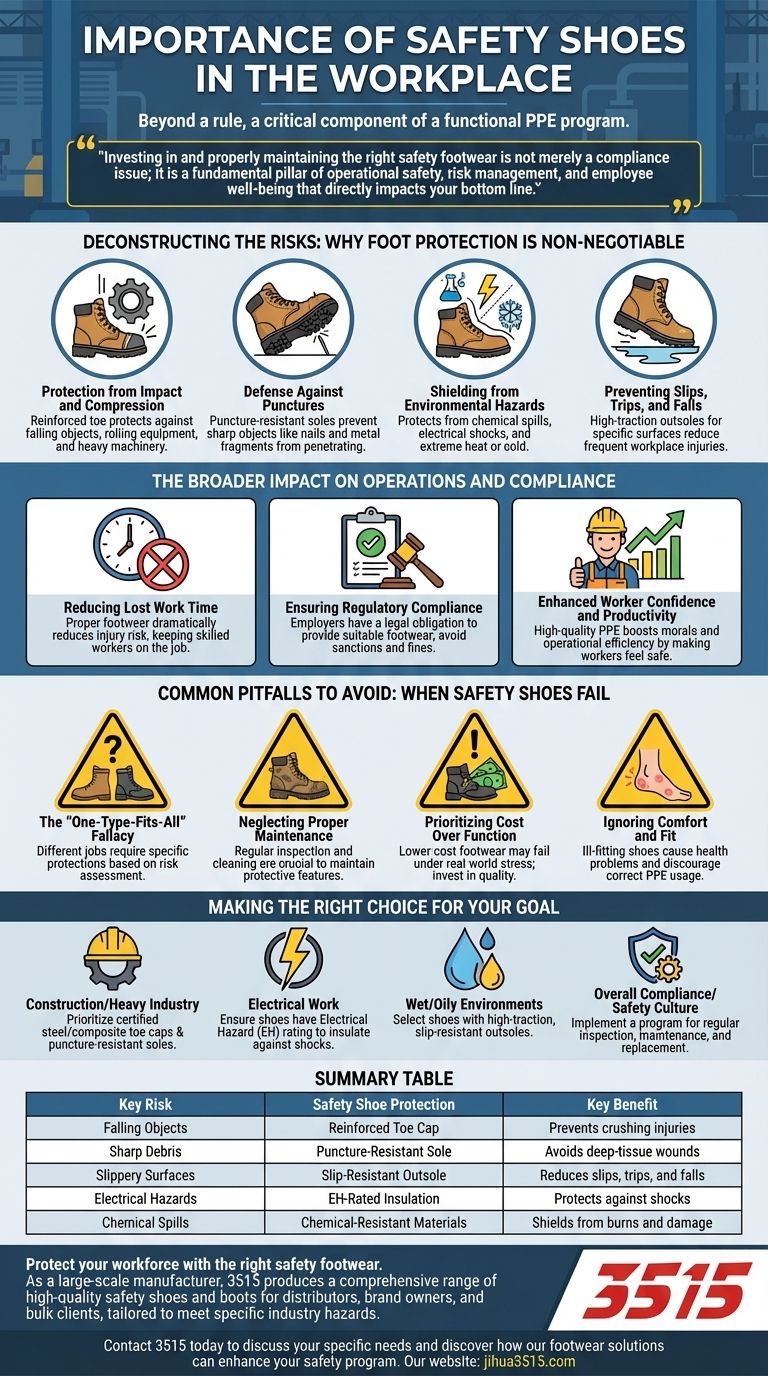
Investing in and properly maintaining the right safety footwear is not merely a compliance issue; it is a fundamental pillar of operational safety, risk management, and employee well-being that directly impacts your bottom line.
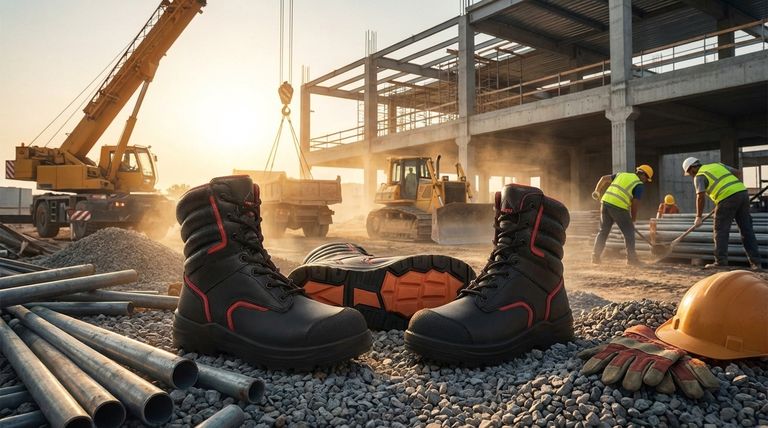
Deconstructing the Risks: Why Foot Protection is Non-Negotiable
A worksite presents numerous and often unseen dangers to the feet. Understanding these specific threats clarifies why standardized safety footwear is an essential tool, not an optional accessory.
Protection from Impact and Compression
The most recognized feature of a safety shoe is its reinforced toe. This protects against the severe injuries caused by falling objects, rolling equipment, or accidental compression from heavy machinery.
Defense Against Punctures
Construction sites, demolition zones, and maintenance areas are often littered with sharp objects like nails, screws, and metal fragments. Puncture-resistant soles prevent these items from penetrating the shoe and causing deep-tissue injuries.
Shielding from Environmental Hazards
Safety footwear is designed to counter specific environmental risks. This includes protection from chemical spills, insulation against electrical shocks, and safeguarding against extreme heat or cold that could cause burns or frostbite.
Preventing Slips, Trips, and Falls
According to safety councils, slips, trips, and falls are among the most frequent causes of workplace injuries. Proper safety shoes feature high-traction, slip-resistant outsoles designed for specific surfaces, from oily machine shop floors to wet outdoor environments.
The Broader Impact on Operations and Compliance
The consequences of a foot injury extend far beyond the individual worker. For a business, failing to enforce a proper footwear policy has direct and significant operational and financial repercussions.
Reducing Lost Work Time
Foot injuries are a major contributor to lost workdays. The National Safety Council reported over 50,000 such incidents in 2022 alone. Proper footwear dramatically reduces this risk, keeping your skilled workers on the job.
Ensuring Regulatory Compliance
Employers have a legal obligation to provide, maintain, and replace necessary safety shoes. Labor inspections can issue sanctions and fines to companies that fail to supply suitable footwear for high-risk areas.
Enhancing Worker Confidence and Productivity
When workers feel safe and protected, they can focus more effectively on their tasks. Providing high-quality PPE demonstrates a commitment to employee well-being, which in turn boosts morale and operational efficiency.
Common Pitfalls to Avoid: When Safety Shoes Fail
Simply having a policy is not enough. The effectiveness of safety footwear can be compromised by several common oversights.
The "One-Type-Fits-All" Fallacy
Different jobs carry different risks. An electrician requires shoes with an Electrical Hazard (EH) rating, while a logger needs entirely different protections. Choosing footwear must be based on a specific risk assessment of the environment.
Neglecting Proper Maintenance
Safety shoes are tools that require care. Without it, leather can become brittle, protective membranes can fail, and soles can wear down, turning a piece of safety equipment into a liability. Regular inspection and cleaning are crucial.
Prioritizing Cost Over Function
Lower-cost footwear may meet minimum compliance standards on paper but fail under real-world stress. Investing in quality, durable shoes is an investment in preventing much costlier injuries down the line.
Ignoring Comfort and Fit
Ill-fitting safety shoes can cause blisters, fatigue, and musculoskeletal strain. This not only creates a new set of health problems but also discourages workers from wearing their PPE correctly, defeating its purpose entirely.
Making the Right Choice for Your Goal
Making an informed decision requires matching the footwear's features directly to your operational risks and goals.
- If your primary focus is construction or heavy industry: Prioritize footwear with certified steel or composite toe caps for impact protection and puncture-resistant soles.
- If your primary focus is electrical work: Ensure shoes have a specific Electrical Hazard (EH) rating to insulate against accidental shocks.
- If your primary focus is a wet or oily environment: Select shoes with high-traction, slip-resistant outsoles explicitly designed to prevent falls on slick surfaces.
- If your primary focus is overall compliance and safety culture: Implement a program for regular inspection, maintenance, and replacement of all safety footwear based on usage and condition.
Ultimately, treating safety footwear as essential, task-specific equipment is the most effective way to protect your team and your operations.
Summary Table:
| Key Risk | Safety Shoe Protection | Key Benefit |
|---|---|---|
| Falling Objects | Reinforced Toe Cap | Prevents crushing injuries |
| Sharp Debris | Puncture-Resistant Sole | Avoids deep-tissue wounds |
| Slippery Surfaces | Slip-Resistant Outsole | Reduces slips, trips, and falls |
| Electrical Hazards | EH-Rated Insulation | Protects against shocks |
| Chemical Spills | Chemical-Resistant Materials | Shields from burns and damage |
Protect your workforce with the right safety footwear.
As a large-scale manufacturer, 3515 produces a comprehensive range of high-quality safety shoes and boots tailored for distributors, brand owners, and bulk clients. Our production capabilities encompass all types of protective footwear designed to meet specific industry hazards, ensuring durability, compliance, and comfort for your team.
Investing in the right PPE is an investment in safety and productivity. Contact 3515 today to discuss your specific needs and discover how our footwear solutions can enhance your safety program.
Visual Guide
Related Products
- Premium Suede Sport Safety Shoes for Wholesale & Bulk Orders
- Premium Lightweight Safety Shoes for Wholesale & Bulk Orders
- Wholesale Anti-Smash & Puncture-Proof Safety Shoes Custom Manufacturing for Brands
- Premium KPU Injection Athletic Style Safety Shoes
- Premium Safety Shoes with Rotating Buckle Safety Sneakers
People Also Ask
- What industries have specific OSHA footwear requirements? Ensure Compliance & Protect Your Workforce
- What are the primary functions of professional safety shoes? Maximize Safety in Water Supply Confined Spaces
- What role do specialized safety shoes play in preventing falls? Engineering Stability in Industrial Environments
- What happens during the cutting stage of safety shoes manufacturing? Precision, Process & Quality
- How do specialized safety shoes protect against battery maintenance injuries? Prevent Impact and Chemical Burns