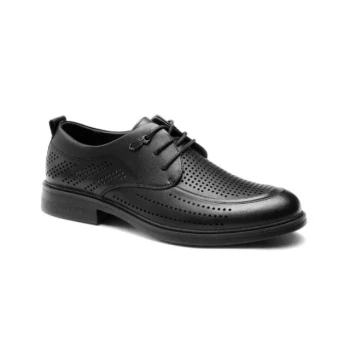
A creative design center functions as the critical nexus between global fashion trends and technical engineering. It utilizes specialized research and development equipment to identify performance characteristics while simultaneously establishing comprehensive supplier databases to ensure every component meets the specific functional requirements of the final product.
The center acts as a filter and a bridge, validating that materials not only align with current global trends but also possess the physical durability required for specific applications, such as tactical or outdoor environments.
Bridging Global Trends and Functional Requirements
Interpreting Global Aesthetics
The design center actively explores and analyzes global market trends.
This process involves identifying emerging styles, colors, and textures. The center's goal is to translate these broad aesthetic movements into tangible material options for footwear production.
Aligning with the Design Brief
Material selection is not arbitrary; it is strictly guided by the shoe design brief.
The center evaluates the type of shoe (e.g., ballet slipper vs. work boot) and its intended use. This ensures the aesthetic choices support the product's defined category and price point, whether premium or inexpensive.
Technical Validation and Performance Testing
Utilizing R&D Equipment
A primary function of the center is to move beyond visual assessment by using material research and development equipment.
This equipment allows the team to scientifically test leathers, synthetics, and accessories. It provides objective data on how materials will behave under stress.
Assessing Performance Characteristics
The center identifies specific performance traits necessary for the shoe's environment.
This is particularly critical for tactical or outdoor footwear, where failure is not an option. The validation process ensures that a buckle will not snap or leather will not tear during rigorous use.
Supply Chain Intelligence
Establishing Supplier Databases
The center is responsible for creating and updating comprehensive supplier databases.
This organizes the vast array of available materials into a usable resource. It allows designers to quickly locate validated materials that match their creative vision.
Ensuring Material Availability
By maintaining these databases, the center connects design concepts with real-world supply chains.
It ensures that the materials selected during the creative phase are actually available for manufacturing. This prevents design bottlenecks caused by sourcing issues later in the process.
Understanding the Trade-offs
Aesthetics vs. Durability
A material may perfectly match a global trend but fail performance testing.
The center must often reject visually appealing materials if they do not meet functional standards. This is a common point of friction where technical validation must override aesthetic preference.
Cost vs. Premium Performance
The design brief often dictates a specific price point which limits material choices.
High-performance materials validated for tactical use are expensive. The center must balance the need for premium validation against the constraints of an inexpensive product line.
Making the Right Choice for Your Project
The creative design center ensures your footwear is both marketable and manufacturable.
- If your primary focus is Tactical or Outdoor Use: Prioritize the center's R&D performance data to ensure materials meet rigorous functional standards regardless of trends.
- If your primary focus is Fashion or Casual Wear: Rely on the center's global trend exploration to select materials that align with current aesthetics while meeting basic cost parameters.
Ultimately, the creative design center turns a sketched concept into a viable product by proving that the materials can perform as well as they look.
Summary Table:
| Core Function | Key Responsibilities | Primary Benefit |
|---|---|---|
| Trend Analysis | Interpreting global aesthetics, colors, and textures | Ensures products are market-ready and stylish |
| Technical Validation | Performance testing using specialized R&D equipment | Guarantees durability for tactical/outdoor use |
| Supply Intelligence | Managing comprehensive supplier databases | Ensures material availability and cost control |
| Design Alignment | Matching materials to the specific design brief | Balances aesthetic appeal with functional needs |
Partner with 3515 for Industry-Leading Footwear Innovation
As a large-scale manufacturer serving distributors and brand owners, 3515 offers comprehensive production capabilities for all footwear types, anchored by our flagship Safety Shoes series. Our creative design center acts as your technical bridge, ensuring every material—from leathers to tactical buckles—meets rigorous performance standards before production begins.
Whether you need robust work and tactical boots, specialized outdoor and training shoes, or high-volume sneakers and dress shoes, we provide the R&D expertise to turn your concepts into market-ready products.
Ready to elevate your product line with validated materials? Contact our team today to discuss your bulk requirements.
References
- Haya Hoja, Pei Yu. RETRACTED: Developing and Enhancing the Competitiveness of the Palestinian National Product: The Leather and Footwear Sector—Analysis and Evaluation of Government Interventions. DOI: 10.3390/su14137745
This article is also based on technical information from 3515 Knowledge Base .
Related Products
- Durable Leather Tactical Boots Wholesale & Custom Manufacturing for Brands
- Durable Leather Work Boots for Wholesale & Custom Manufacturing
- Wholesale Durable Safety Boots Manufacturer Customizable Steel Toe Work Boots
- Durable Leather High-Ankle Tactical Boots for Wholesale & Custom Manufacturing
- Durable Goodyear Welt Leather Work Boots for Wholesale & Private Label
People Also Ask
- What specialized protections do tactical boots offer? Maximize Endurance with High-Performance Footwear
- What features should law enforcement officers look for in tactical boots? Essential Guide for Safety & Performance
- Importance of Professional Tactical Boots in Loess Gully Regions: Ensure Safety and Precision for Field Monitoring
- What is rucking, and why are tactical boots suitable for it? Discover the Ultimate Footwear for Heavy Loads
- What makes the traction of tactical boots superior? Unlock the Science of Unbeatable Grip