Personal Protective Equipment (PPE) functions primarily as a physical safety barrier designed to isolate personnel from specific workplace hazards. Its core purpose is to prevent physical, chemical, or mechanical injuries by reducing the risk of casualties resulting from accidental contact with dangerous elements.
The Core Insight: While PPE acts as a proactive tool for safety, it is operationally defined as the "final line of defense." It does not eliminate hazards at the source but rather intercepts residual risks that remain after engineering and administrative controls are in place.
The Mechanics of Protection
Establishing a Physical Barrier
At its most fundamental level, PPE creates an isolation layer between the human body and the external environment.
By strictly separating the worker from the hazard, PPE minimizes the direct probability of contact.
This barrier is essential in laboratory and industrial settings where complete hazard elimination is not feasible.
Targeting Specific Hazards
PPE is not a generic solution; it is designed to target distinct categories of risk.
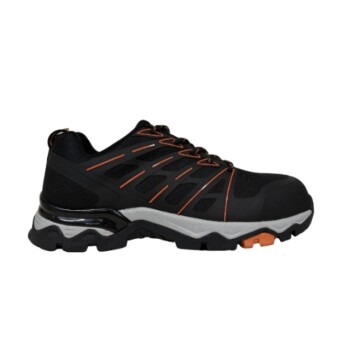
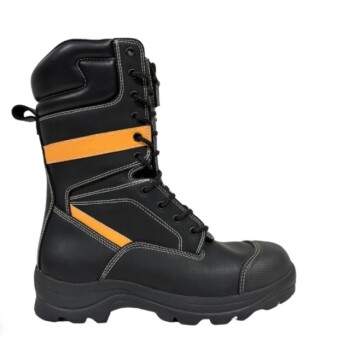
It safeguards against physical impacts, such as heavy objects falling on feet, effectively blocking punctures and crushing injuries.
It also provides containment against chemical exposures, such as carcinogenic vapors, and environmental hazards like ultraviolet radiation or high-temperature welding splashes.
Strategic Role in Safety Management
Proactive Risk Reduction
The use of PPE is a primary tool for implementing proactive safety prevention in operational settings.
Rather than waiting for an accident to occur, standardized equipment is deployed to lower the frequency of occupational injuries.
This includes preventing specific conditions such as electro-optical ophthalmia, skin burns, and respiratory infections.
The Final Line of Defense
Within the broader Occupational Safety and Health (OSH) framework, PPE is utilized when collective protection measures are insufficient.
If modifying work methods or engineering controls cannot fully eliminate a risk, PPE steps in to manage the residual danger.
It serves as the critical backstop to ensure worker health when all other control layers have been bypassed or exhausted.
Understanding the Trade-offs
Reduction vs. Elimination
It is critical to understand that PPE reduces the impact of a hazard, but it does not remove the hazard itself.
The dangerous chemical, radiation source, or heavy machinery remains present in the work environment.
If the equipment fails or is worn incorrectly, the worker is immediately exposed to the full force of the risk.
Dependency on Implementation
PPE is only effective if it is standardized and strictly enforced.
The protective value relies entirely on the equipment being appropriate for the specific task, such as choosing professional safety shoes for foot impact risks versus respiratory gear for fumes.
Without rigorous compliance and proper selection, the physical barrier becomes a theoretical concept rather than a practical safeguard.
Making the Right Choice for Your Goal
To effectively integrate PPE into your safety system, consider your specific operational objectives:
- If your primary focus is immediate worker safety: Prioritize equipment that offers a certified physical barrier against the specific physical, chemical, or mechanical hazards present in your facility.
- If your primary focus is risk management strategy: Treat PPE as the final layer of your safety plan, deployed only after you have attempted to remove risks through engineering or administrative changes.
- If your primary focus is regulatory compliance: Enforce the use of standardized equipment to meet safety production regulations and minimize the legal and health costs of occupational diseases.
Effective safety systems use PPE not as a first resort, but as a critical, fail-safe shield against inevitable risks.
Summary Table:
| Core Function | Description | Primary Objective |
|---|---|---|
| Physical Barrier | Isolates the body from external workplace hazards | Minimize direct contact probability |
| Hazard Targeting | Specialized protection against chemical, mechanical, or physical risks | Prevent specific injuries (e.g., punctures, burns) |
| Risk Mitigation | Manages residual risks after engineering controls | Proactive reduction of injury frequency |
| Final Defense | The last layer of protection in the OSH hierarchy | Ensure health when other controls are exhausted |
Secure Your Workforce with 3515’s Professional Safety Solutions
As a large-scale manufacturer serving global distributors and brand owners, 3515 provides the ultimate physical barrier for your team. Our flagship Safety Shoes series is engineered to meet the highest OSH standards, ensuring your workers have the most reliable 'final line of defense' against mechanical and physical hazards.
Beyond safety footwear, our extensive portfolio includes work and tactical boots, outdoor shoes, training shoes, sneakers, and Dress & Formal shoes to meet your diverse bulk requirements. Partner with a manufacturer that prioritizes durability and compliance.
Contact 3515 Today to Discuss Your Bulk Footwear Needs
References
- Muhammad Saleem Akhtar, Muhammad Ali Naseem. Shaping Behaviour as Proactive Approach for Awareness of Safety and Wellbeing Secondary Grade Curriculum. DOI: 10.48112/aessr.v2i1.93
This article is also based on technical information from 3515 Knowledge Base .
Related Products
- Heavy-Duty Waterproof Nubuck Safety Boots Safety Shoes for Bulk Supply
- Advanced KPU Athletic Safety Shoe with Steel Toe Cap Anti-Slip Rotary Lacing System
- Premium KPU Athletic Safety Shoes for Wholesale
- Premium Safety Shoes with Rotating Buckle Safety Sneakers
- Premium KPU Injection Athletic Style Safety Shoes
People Also Ask
- What primary protective functions do professional safety boots provide in urban solid waste recovery and waste picking processes? Discover Dual-Layer Protection.
- How do safety boots reduce cutting hazards? Essential Protection for Your Workforce
- Which organizations develop safety standards for work boots? Ensure Compliance & Worker Safety
- What are the common types of safety boots and their primary uses? A Guide to Industrial Footwear
- Why is ankle and arch support important in safety footwear? Prevent Injury & Fatigue