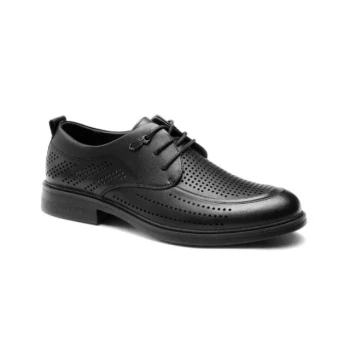
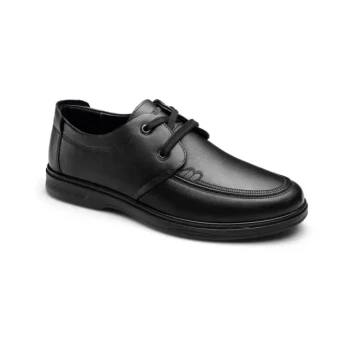
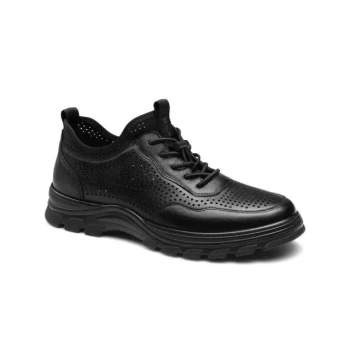
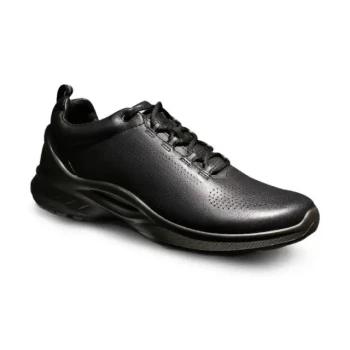
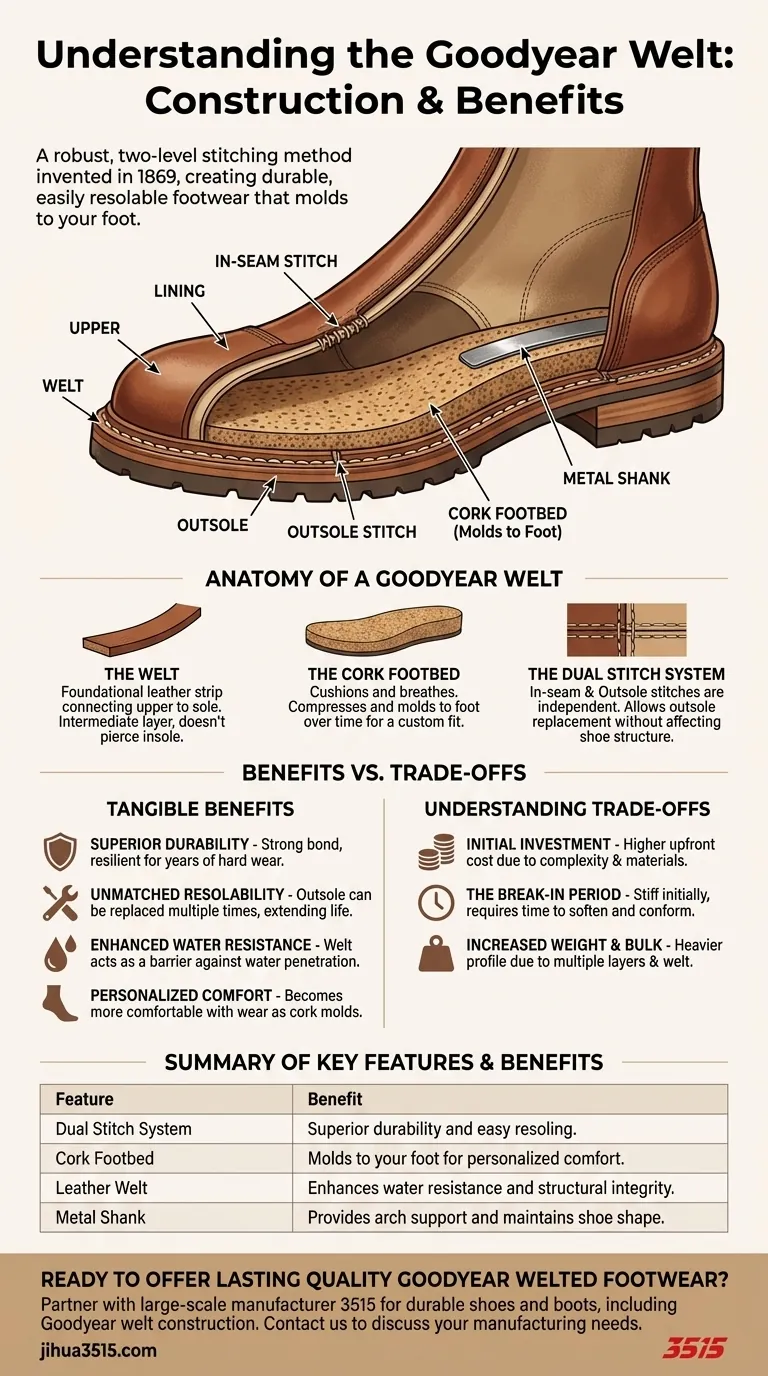
At its core, the Goodyear welt construction method involves stitching a shoe’s upper, lining, and insole to a distinct strip of leather known as the welt. This welt is then stitched to the outsole, creating an exceptionally strong, two-level stitch that makes the shoe both durable and easy to repair. This technique was invented in 1869 by Charles Goodyear Jr., son of the inventor of vulcanized rubber.
The Goodyear welt is more than just a method of assembly; it is a design philosophy. It creates a shoe that can be repeatedly resoled, extending its lifespan for decades, while a cork footbed gradually molds to your foot for a truly custom fit.
Anatomy of a Goodyear Welted Shoe
Understanding this construction method requires looking at its key components and how they work together to create a superior piece of footwear.
The Role of the Welt
The welt is the foundational component of this entire process. It is a dedicated strip of high-quality leather that runs along the perimeter of the outsole.
Its sole purpose is to act as an intermediary, connecting the upper part of the shoe to the sole without piercing the insole directly from the outside.
The Cork Footbed
A cavity is created between the insole and the outsole during construction. This space is filled with a layer of cork, a material prized for its ability to cushion and breathe.
Over time and with wear, the cork compresses and molds to the unique shape of your foot, creating a personalized footbed and exceptional long-term comfort.
The Dual Stitch System
Two independent stitches are used. The first, an in-seam stitch, attaches the upper, lining, and insole to the welt.
The second, the outsole stitch, attaches the welt to the outsole. This separation is what makes the shoe so easy to resole; a cobbler can simply cut the outsole stitch and attach a new sole without compromising the shoe's core structure.
The Tangible Benefits of this Construction
The complexity of the Goodyear welt method directly translates into tangible benefits for the wearer, justifying its reputation as a hallmark of quality footwear.
Superior Durability
The two-level stitching and robust materials create a bond between the upper and sole that is exceptionally strong and resilient, built to withstand years of hard wear.
Unmatched Resolability
Because the outsole is stitched to the welt and not directly to the upper, it can be removed and replaced multiple times. This dramatically extends the functional life of the shoe far beyond other construction methods.
Enhanced Water Resistance
The welt acts as a barrier between the ground and the upper, making it much more difficult for water to penetrate the shoe from the sole.
Personalized Comfort Over Time
The combination of a supportive metal shank, a cork footbed that molds to your foot, and high-quality leather uppers that flex with your gait results in a shoe that becomes more comfortable the more you wear it.
Understanding the Trade-offs
While highly regarded, the Goodyear welt method is not without its compromises. True expertise means acknowledging these trade-offs to make an informed decision.
Initial Investment
The complexity of the process and the quality of materials required mean that Goodyear welted shoes have a significantly higher upfront cost than their cemented or Blake-stitched counterparts.
The Break-in Period
The sturdy construction and multiple layers of leather can make the shoes feel stiff and rigid out of the box. They almost always require a break-in period for the leather and cork to soften and conform to your foot.
Increased Weight and Bulk
Compared to more streamlined construction methods, Goodyear welted shoes are typically heavier and have a more substantial profile due to the extra layers and the welt itself.
How to Apply This to Your Purchase
Based on these principles, you can make a more strategic choice when investing in footwear.
- If your primary focus is long-term value and sustainability: A Goodyear welted shoe is an unparalleled investment due to its inherent repairability.
- If your primary focus is immediate, out-of-the-box comfort: Be prepared for a break-in period, as the structure is initially stiffer than more flexible construction types.
- If your primary focus is performance in wet conditions: The welt provides a significant barrier against water, making it a more weather-resistant and practical choice.
Choosing a Goodyear welted shoe is an investment in a piece of craftsmanship designed to last a lifetime.
Summary Table:
| Feature | Benefit |
|---|---|
| Dual Stitch System | Superior durability and easy resoling. |
| Cork Footbed | Molds to your foot for personalized comfort. |
| Leather Welt | Enhances water resistance and structural integrity. |
| Metal Shank | Provides arch support and maintains shoe shape. |
Ready to offer your customers the lasting quality of Goodyear welted footwear?
As a large-scale manufacturer, 3515 produces a comprehensive range of durable shoes and boots for distributors, brand owners, and bulk clients. Our production capabilities encompass all types of footwear, including the superior Goodyear welt construction. Partner with us to provide your market with products built to last.
Contact us today to discuss your manufacturing needs.
Visual Guide
Related Products
- Durable Goodyear Welt Leather Work Boots for Wholesale & Private Label
- Wholesale Durable Leather Work Boots | 8-Inch Goodyear Welt Manufacturer
- Wholesale Durable & Breathable Training Shoes for Custom Brands
- Wholesale Breathable Training Shoes Custom Athletic Footwear Manufacturer
- Custom OEM Training Shoes Wholesale Manufacturer Durable & Breathable
People Also Ask
- What is the difference between full-grain and top-grain leather? Premium Material Guide for Boot Manufacturers
- What are the advantages of leather as an upper material for work boots? Unmatched Durability & Custom Comfort
- Why is it important to waterproof leather work boots? Protect Your Investment and Performance
- How should new leather work boots be broken in? A Guide to Comfort and Durability
- What are the advantages of leather uppers in work boots? Unmatched Durability & Protection