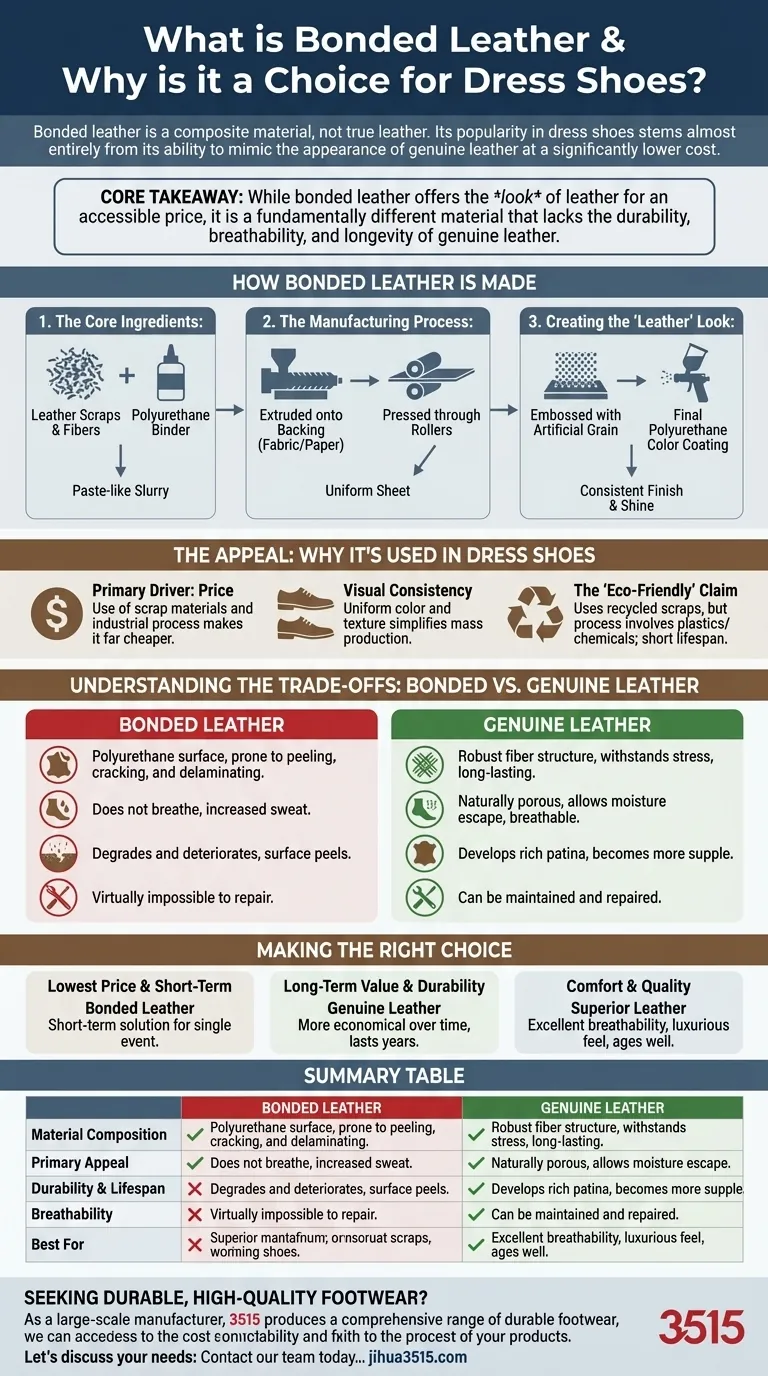
Bonded leather is a composite material, not a true leather hide. It is manufactured by shredding leftover leather scraps and fibers, mixing them with a bonding agent like polyurethane, and pressing the mixture onto a backing material. Its popularity in dress shoes stems almost entirely from its ability to mimic the appearance of genuine leather at a significantly lower cost.
The core takeaway is that while bonded leather offers the look of leather for an accessible price, it is a fundamentally different material that lacks the durability, breathability, and longevity of genuine leather shoes.
How Bonded Leather is Made
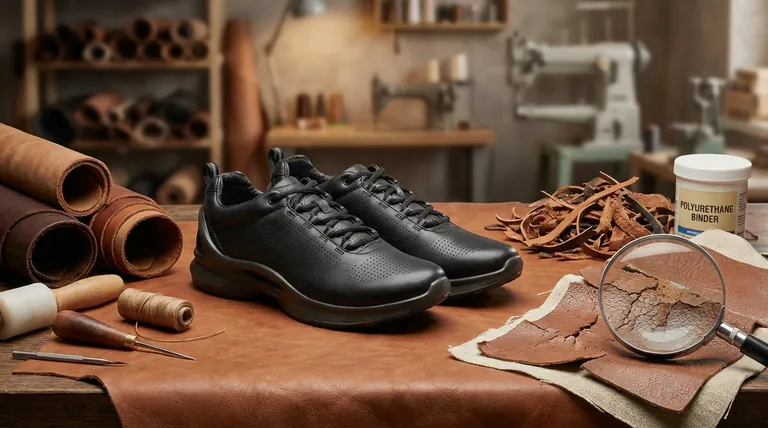
Bonded leather, also known as reconstituted leather, is best understood as a leather-byproduct. The manufacturing process is key to understanding its performance.
The Core Ingredients
The primary component is a "pulp" made from shredded leather scraps and fibers. This material, which would otherwise be waste, is mixed with a polyurethane or latex binder to create a paste-like slurry.
The Manufacturing Process
This slurry is then extruded onto a backing material, which is typically a layer of fabric or paper. The material is then pressed through rollers to create a flat, uniform sheet.
Creating the "Leather" Look
Finally, the surface is embossed or stamped with a steel plate that imprints an artificial leather-like grain. A final layer of polyurethane color coating is applied to give it a consistent finish and shine.
The Appeal: Why It's Used in Dress Shoes
The choice to use bonded leather in footwear is driven by specific manufacturing and market advantages, primarily revolving around cost.
The Primary Driver: Price
This is the single greatest reason for its popularity. The use of scrap materials and an industrial process makes bonded leather far cheaper to produce than sourcing and tanning full hides of genuine leather.
Visual Consistency
Unlike genuine leather, which has natural imperfections and variations, bonded leather offers a perfectly uniform color and texture. This simplifies mass production and ensures every pair of shoes looks identical.
The "Eco-Friendly" Claim
Manufacturers often market bonded leather as eco-friendly because it uses recycled leather scraps. While this is true, it's important to note the process also involves plastics and chemicals, and the material's short lifespan can contribute to more waste in the long run.
Understanding the Trade-offs: Bonded vs. Genuine Leather
Choosing bonded leather involves significant compromises in performance and quality compared to genuine leather options like the high-quality Aniline leather used in premium footwear.
Durability and Lifespan
This is the most critical trade-off. The polyurethane surface of bonded leather is prone to peeling, cracking, and delaminating, often within a short period of use. It does not have the robust fiber structure of real leather and cannot withstand the same stress.
Breathability and Comfort
Genuine leather is a naturally porous material that breathes, which is essential for footwear comfort as it allows moisture to escape. Bonded leather, with its plastic surface coating, does not breathe. This can lead to increased sweat and discomfort.
The Aging Process
High-quality genuine leather develops a rich patina and becomes more supple with age. Bonded leather does not age gracefully; it simply degrades and deteriorates. The surface will eventually peel away, revealing the fabric backing beneath.
Maintenance and Repair
Once the surface of bonded leather begins to crack or peel, it is virtually impossible to repair effectively. While some sources suggest using a leather conditioner, this has little effect on the plastic coating and cannot restore a deteriorating surface.
Making the Right Choice for Your Goal
Your decision should be based on a clear understanding of what you are buying. Bonded leather is not bad, but it is not genuine leather, and its performance reflects that.
- If your primary focus is the lowest possible price for a specific look: Bonded leather shoes can serve as a short-term solution for a single event or very infrequent wear.
- If your primary focus is long-term value and durability: Investing in shoes made from genuine leather (such as full-grain or top-grain) will be far more economical over time as they will last for years, not months.
- If your primary focus is comfort and quality: Seek out shoes made from superior materials like Aniline or full-grain leather for excellent breathability, a luxurious feel, and an appearance that improves with age.
Ultimately, understanding the material's composition is the key to aligning your purchase with your expectations for performance and longevity.
Summary Table:
| Feature | Bonded Leather | Genuine Leather |
|---|---|---|
| Material Composition | Shredded leather scraps + polyurethane binder | Full, natural animal hide |
| Primary Appeal | Low cost, visual consistency | Durability, breathability, longevity |
| Durability & Lifespan | Prone to peeling and cracking; short-term | Develops a patina; long-lasting |
| Breathability | Non-porous plastic coating; poor | Naturally porous; excellent |
| Best For | Infrequent wear, lowest cost | Long-term value, comfort, quality |
Seeking Durable, High-Quality Footwear?
As a large-scale manufacturer, 3515 produces a comprehensive range of durable footwear for distributors, brand owners, and bulk clients. Our production capabilities encompass all types of shoes and boots made from superior materials like full-grain and Aniline leather, ensuring long-term value and comfort for your customers.
Let's discuss your needs: Contact our team today to explore our catalog and manufacturing solutions.
Visual Guide
Related Products
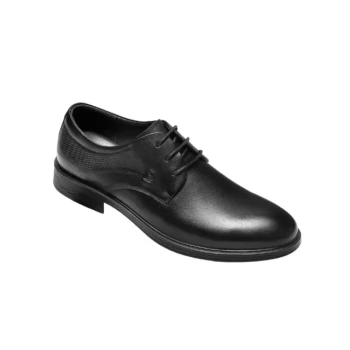
- Classic Leather Derby Dress Shoes Wholesale & Custom Manufacturing
- Wholesale Leather Derby Dress Shoes Custom Manufacturer for Brands
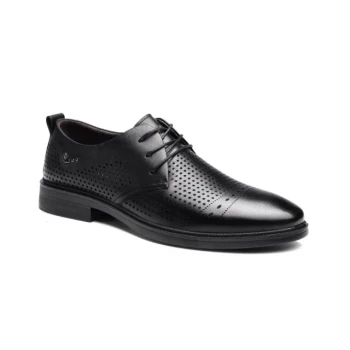
- Wholesale Breathable Perforated Leather Derby Dress Shoes for Custom Brands
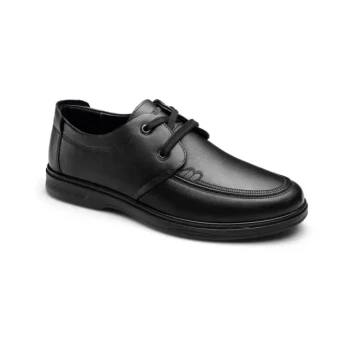
- Wholesale Leather Business Casual Shoes with Dial Closure - Manufacturer of Comfort Dress Sneakers
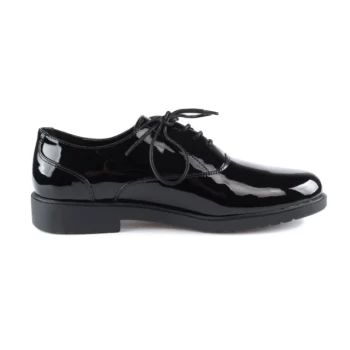
- Wholesale Patent Oxford Dress Shoes | Custom & Bulk Manufacturing
People Also Ask
- How often should leather dress shoes be cleaned and polished? A 3-Tier Care Guide for Longevity
- How can you remove salt stains from leather dress shoes? Save Your Shoes with a Simple Vinegar Solution
- What are the basic steps to clean leather dress shoes? A Guide to Preserving Your Investment
- How should you dry wet leather dress shoes? A Step-by-Step Guide to Save Your Investment
- What historical figure is associated with the Derby shoe? The Earl of Derby's Comfort Revolution