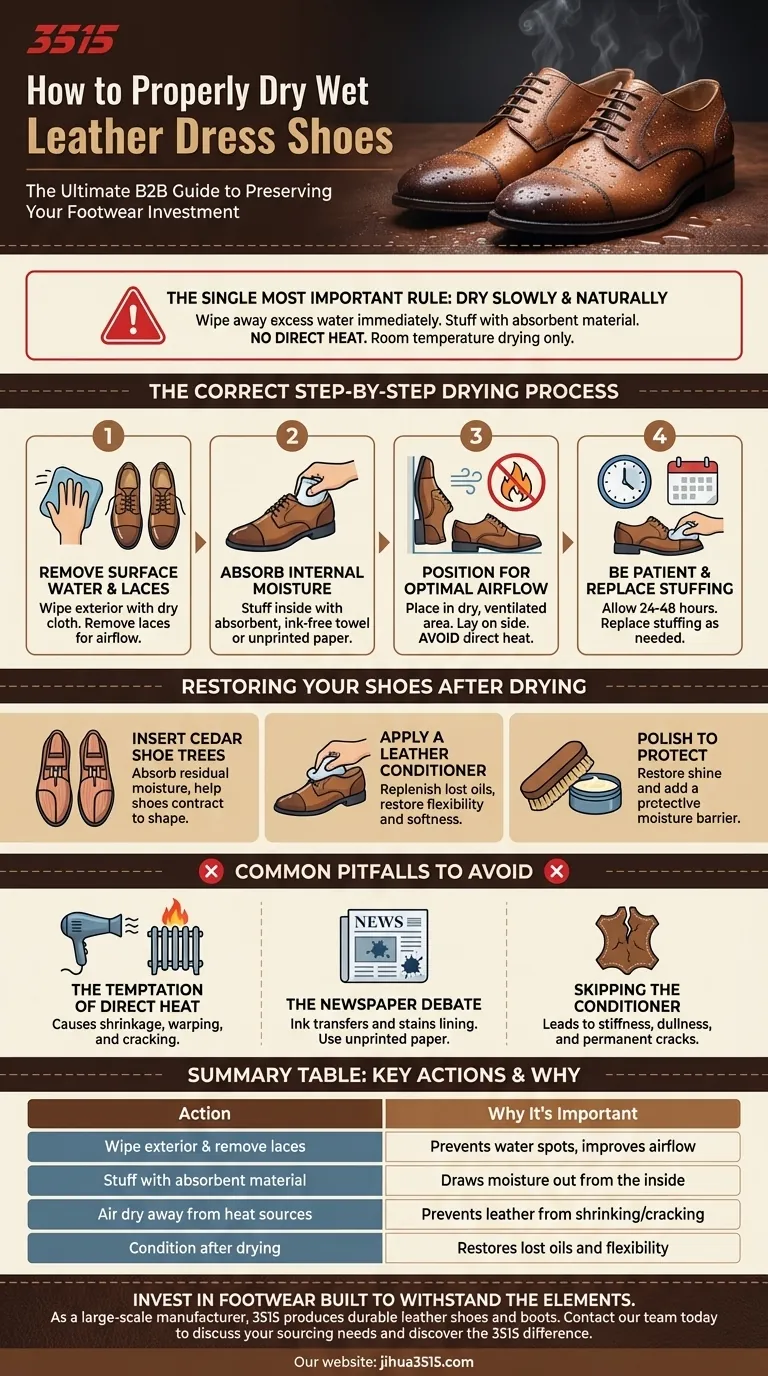
The single most important rule for drying wet leather dress shoes is to do it slowly and naturally. You should immediately wipe away excess water from the outside, then stuff the inside of the shoes with an absorbent, ink-free material like a small towel or unprinted paper to draw out internal moisture.
Your goal is not to dry the leather quickly, but to allow it to dry evenly at room temperature. Rushing the process with any form of direct heat is the fastest way to permanently shrink, crack, and ruin the material.
The Correct Step-by-Step Drying Process
When your leather shoes get wet, the water bonds with the natural oils within the leather. As the water evaporates, it pulls these essential oils out with it, leaving the fibers brittle and prone to damage. The following process ensures the leather dries safely, preparing it for reconditioning.
Step 1: Remove Surface Water and Laces
Before addressing the interior, immediately wipe all excess moisture from the shoe's exterior with a clean, dry cloth. This prevents water spots from setting.
If your shoes have laces, remove them completely. This opens up the shoe, promoting better air circulation to the tongue and eyelet areas.
Step 2: Absorb Internal Moisture
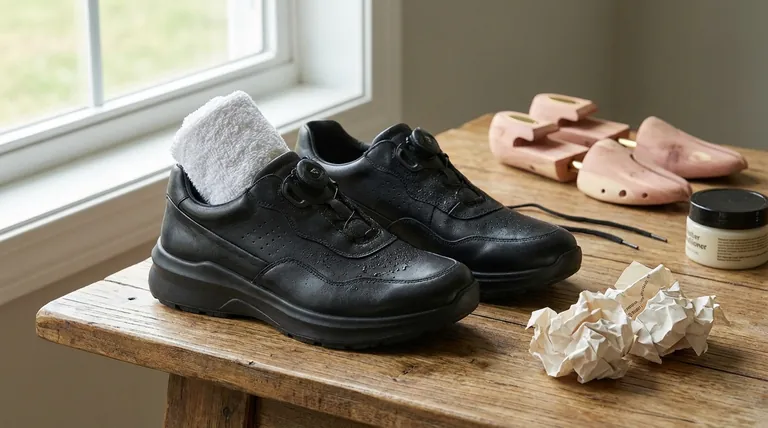
Stuff the inside of the shoes with a highly absorbent material. A small, dry towel, unprinted paper, or even paper towels are excellent choices.
This internal absorbent material is critical, as it wicks moisture from the inside out, helping the shoe maintain its shape and preventing the lining from deteriorating.
Step 3: Position for Optimal Airflow
Place the shoes in a dry, well-ventilated area away from direct sunlight and heat sources. Laying them on their side can help air circulate more effectively around the sole.
Never place them near a radiator, furnace vent, or fireplace. This is the most common and damaging mistake people make.
Step 4: Be Patient and Replace Stuffing
Proper drying takes time, often 24 to 48 hours. For the first few hours, you may need to replace the internal stuffing as it becomes saturated. Patience is your greatest asset in this process.
Restoring Your Shoes After Drying
Drying is only half the battle. Once the shoes are fully dry to the touch, you must restore the oils that were lost to prevent the leather from becoming stiff and brittle.
Insert Cedar Shoe Trees
Once the shoes are mostly dry, remove the stuffing and insert a pair of high-quality cedar shoe trees. The cedar will absorb the last bits of residual moisture and, more importantly, will help the shoe contract back to its proper shape.
Apply a Leather Conditioner
Using a clean cloth, apply a quality leather conditioner. This replenishes the oils and nutrients stripped away during the drying process, restoring the leather's flexibility and softness.
Polish to Protect
After conditioning, apply a cream or wax polish. This final step restores the shoe's shine and adds a protective layer against future moisture.
Common Pitfalls to Avoid
Understanding what not to do is as important as knowing the correct steps. These common mistakes can cause irreversible damage.
The Temptation of Direct Heat
Never use a blow dryer, radiator, or any other direct heat source to speed up drying. This forces the water out too quickly, causing the leather fibers to shrink, warp, and crack.
The Newspaper Debate
While stuffing shoes with newspaper is a traditional method, it comes with a significant risk. The ink can easily transfer to the shoe's lining, especially on lighter-colored interiors, leaving permanent stains. It is always safer to use unprinted paper or a clean cloth.
Skipping the Conditioner
Failing to condition your shoes after they have dried is a critical error. The leather will feel stiff and appear dull. Over time, this dryness will lead to cracking, especially at flex points like the vamp, dramatically shortening the life of your shoes.
Making the Right Choice for Your Goal
Your approach should be dictated by the situation and your long-term goals for your footwear.
- If your shoes got completely soaked: The complete drying and restoration process is non-negotiable. Patience is the key to saving your investment.
- If your shoes are only slightly damp: Stuffing them with a towel and inserting cedar shoe trees overnight is often sufficient to safely absorb the moisture.
- If your primary focus is preventing future damage: Regularly condition your shoes and apply a wax-based polish to create a protective barrier against water.
Properly caring for your leather shoes when they get wet is what separates an investment that lasts for years from one that is ruined after a single storm.
Summary Table:
| Step | Key Action | Why It's Important |
|---|---|---|
| 1 | Wipe exterior & remove laces | Prevents water spots, improves airflow |
| 2 | Stuff with absorbent material | Draws moisture out from the inside |
| 3 | Air dry away from heat sources | Prevents leather from shrinking/cracking |
| 4 | Condition after drying | Restores lost oils and flexibility |
Invest in footwear built to withstand the elements. As a large-scale manufacturer, 3515 produces a comprehensive range of durable leather shoes and boots for distributors, brand owners, and bulk clients. Our expertise ensures your footwear is crafted with quality materials designed for longevity and proper care. Contact our team today to discuss your sourcing needs and discover the 3515 difference.
Visual Guide
Related Products
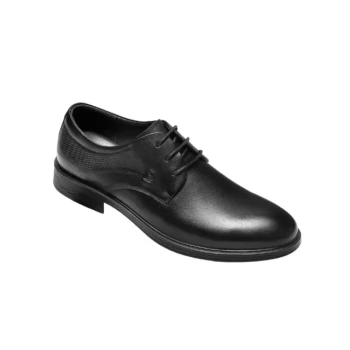
- Classic Leather Derby Dress Shoes Wholesale & Custom Manufacturing
- Wholesale Leather Derby Dress Shoes Custom Manufacturer for Brands
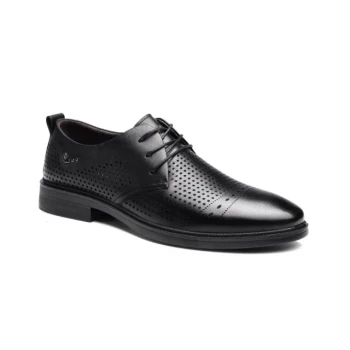
- Wholesale Breathable Perforated Leather Derby Dress Shoes for Custom Brands
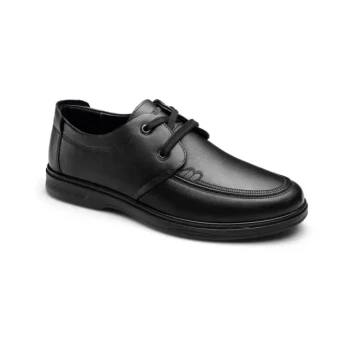
- Wholesale Leather Business Casual Shoes with Dial Closure - Manufacturer of Comfort Dress Sneakers
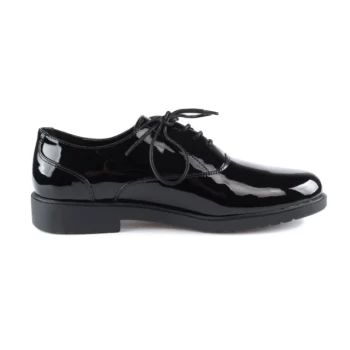
- Wholesale Patent Oxford Dress Shoes | Custom & Bulk Manufacturing
People Also Ask
- How often should leather dress shoes be cleaned and polished? A 3-Tier Care Guide for Longevity
- How can you remove salt stains from leather dress shoes? Save Your Shoes with a Simple Vinegar Solution
- What are the basic steps to clean leather dress shoes? A Guide to Preserving Your Investment
- What historical figure is associated with the Derby shoe? The Earl of Derby's Comfort Revolution
- What are the features and appropriate occasions for wearing derby shoes? A Guide to Versatile Style