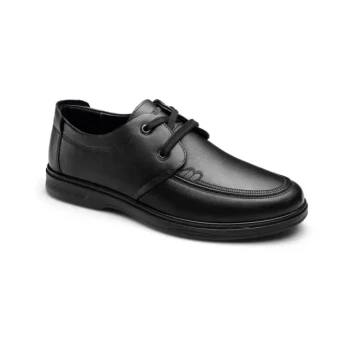
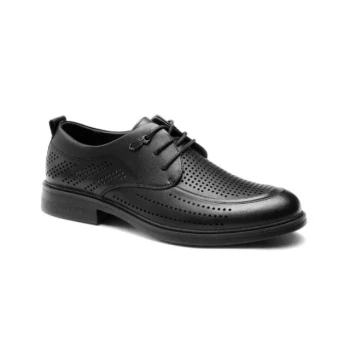
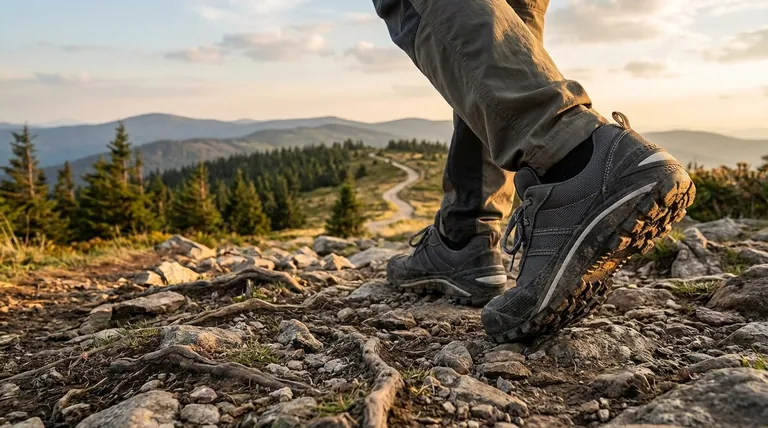
At its core, a trekking shoe is purpose-built footwear designed to provide stability and protection on challenging terrain, particularly for hikes in low mountain ranges. Unlike a standard sneaker, its defining features are a firm, stiff sole and robust lateral support, engineered to protect your feet and prevent injury during extended walks on uneven ground.
A trekking shoe is not just a heavy-duty sneaker; it is a specialized tool. Its primary function is to create a stable, protective platform for your foot, sacrificing the flexibility of lighter footwear to deliver superior safety and support on rugged trails.
The Core Purpose: Protection and Stability
The design of a trekking shoe is entirely driven by the demands of difficult terrain. Every feature exists to enhance comfort, ensure safety, and protect your feet from the environment.
The Firm, Stiff Sole
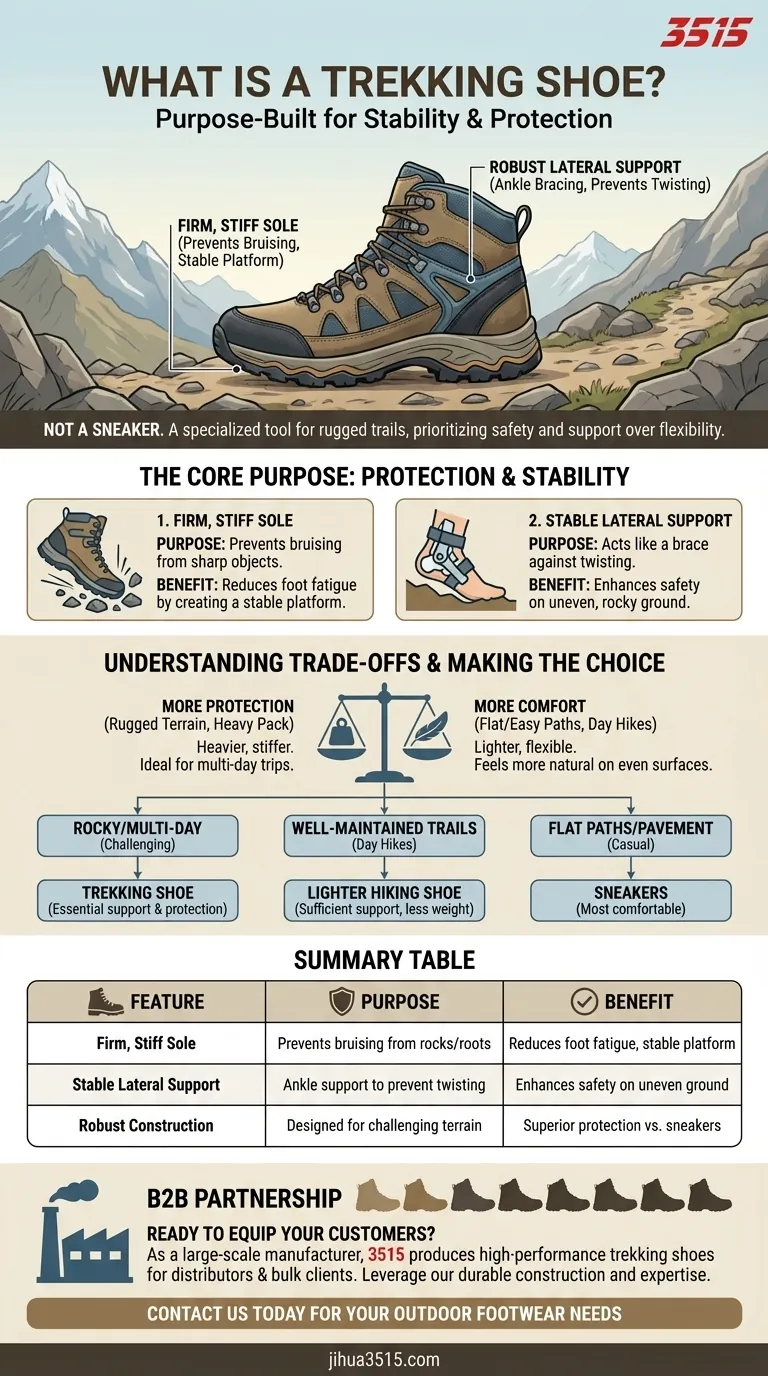
The foundation of any trekking shoe is its sole. It is intentionally rigid to prevent sharp rocks and roots from bruising the bottom of your foot.
This stiffness also creates a stable platform, reducing the small muscle movements needed to balance on uneven surfaces. This significantly cuts down on foot fatigue over a long day of hiking.
Stable Lateral Support
Trekking shoes are built up around the ankle to provide strong lateral (side-to-side) support.
This structure acts like a brace, helping to prevent your ankle from twisting or rolling, which is a common risk on rocky or unstable ground. This is especially crucial for hikers prone to this type of injury.
Understanding the Trade-offs
Choosing a trekking shoe involves balancing protection with practicality. The ideal shoe is sturdy enough for the terrain but as lightweight as possible to avoid unnecessary fatigue.
Weight vs. Protection
Heavier, more robust shoes offer maximum protection and support. This is ideal for multi-day trips with a heavy pack or extremely rocky trails.
However, for less demanding hikes, that extra weight can become a burden. The extra energy required to lift a heavier shoe with every step adds up over many miles.
Stiffness vs. Comfort on Easy Terrain
The very stiffness that makes a trekking shoe excellent on a mountain path can make it feel cumbersome and clunky on a flat, even surface.
If your hiking is primarily on well-maintained trails, the lack of flexibility can feel less natural than a lighter, more pliable hiking shoe.
Making the Right Choice for Your Hike
Your choice of footwear should always match the demands of your planned activity.
- If your primary focus is multi-day treks or hiking on rocky, uneven terrain: The superior support and protection of a trekking shoe are essential for safety and comfort.
- If your primary focus is day hikes on well-maintained trails: A lighter, more flexible hiking shoe will likely provide sufficient support with less weight.
- If your primary focus is casual walks on flat paths or pavement: Standard athletic shoes or sneakers are the most appropriate and comfortable choice.
Ultimately, selecting the correct footwear is the first step in ensuring a safe and enjoyable journey.
Summary Table:
| Feature | Purpose | Benefit |
|---|---|---|
| Firm, Stiff Sole | Prevents bruising from rocks/roots | Reduces foot fatigue, creates a stable platform |
| Stable Lateral Support | Ankle support to prevent twisting | Enhances safety on uneven, rocky ground |
| Robust Construction | Designed for challenging terrain | Provides superior protection vs. standard sneakers |
Ready to equip your customers with the perfect trekking footwear?
As a large-scale manufacturer, 3515 produces a comprehensive range of high-performance trekking shoes and boots for distributors, brand owners, and bulk clients. Our production capabilities ensure the durable construction, firm soles, and stable support that serious hikers demand.
Contact us today to discuss your specific needs and leverage our manufacturing expertise for your next line of outdoor footwear.
Visual Guide
Related Products
- Durable Rubber Sole Outdoor Shoes Wholesale & Custom Manufacturing
- Wholesale Durable Camouflage Canvas Shoes with High-Traction Cleated Rubber Sole
- Wholesale Durable Camo Canvas Shoes with High-Traction Rubber Soles
- Wholesale Leather Apron Toe Derby Shoes Custom Factory Production
- Advanced KPU Athletic Safety Shoe with Steel Toe Cap Anti-Slip Rotary Lacing System
People Also Ask
- What is the function of the sole in outdoor shoes? Find the Perfect Grip and Support
- What role do outdoor shoes and sneakers play in navigating external terrains? Engineered Stability for Every Surface
- How is AI utilized in the design of outdoor and safety footwear? Harnessing Big Data for Market-Driven Shoe Innovation
- Why is durability important when selecting outdoor shoes? A Guide to Safety & Long-Term Value
- What are the key components of outdoor shoes that affect comfort and sturdiness? A Guide to Durable, High-Performance Footwear