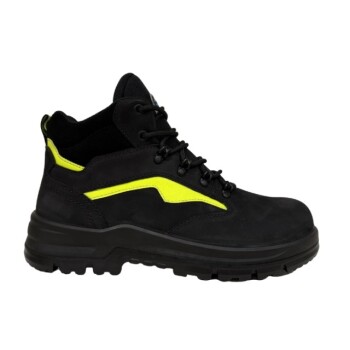
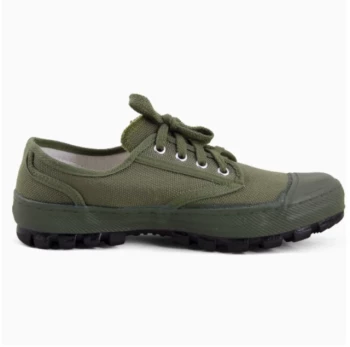
Internal comfort and ergonomics in work boots are primarily driven by advanced cushioned insoles, moisture-wicking linings, and anatomical arch support. These components work in tandem with a precision-engineered fit—characterized by a secure heel cup and a spacious toe box—to ensure foot health during extended shifts.
To achieve consistent ergonomic performance at an enterprise scale, brand owners must prioritize manufacturers that integrate high-tier material science with precision-last engineering. True comfort is a byproduct of stable, high-volume production where every internal component meets rigorous international safety and durability certifications.
Engineering the Internal Support System
Advanced Cushioning and Shock Absorption
The foundation of ergonomic comfort lies in the cushioned insole, which is designed for maximum impact absorption. These insoles reduce the physical toll of standing on hard surfaces for 8-12 hours by distributing weight evenly across the foot.
State-of-the-art anatomical footbeds conform to the natural shape of the foot, providing "All Day Cushioning" that maintains its structural integrity throughout the life of the boot.
Moisture Management and Internal Lining
Maintaining a dry internal environment is critical for preventing blisters and skin irritation. High-performance moisture-wicking linings pull sweat away from the skin, regulating the internal temperature regardless of external conditions.
For large-scale distributors, sourcing boots with breathable linings ensures that the footwear remains comfortable in diverse climates, reducing return rates and increasing end-user satisfaction.
Anatomical Arch Support and Weight Distribution
Proper arch support is essential for reducing fatigue and preventing long-term foot injuries. It ensures that the wearer’s weight is distributed across the entire sole rather than concentrating pressure on the heel or ball of the foot.
Heritage manufacturers leverage decades of data to design lasts that provide superior arch alignment, catering to a broad range of foot shapes found in global markets.
The Geometry of Ergonomic Fit
Precision Heel Security and Stability
A boot must be snug around the heel to prevent slippage, which is the primary cause of friction-related injuries and instability. A deep heel cup locks the foot into place, ensuring the ankle is supported during lateral movements.
This secure fit is often enhanced by padded uppers and tongues, which provide a soft interface between the boot's structural materials and the wearer’s lower leg.
The Spacious Toe Box Requirement
While the heel must be secure, the toe box requires significant volume to allow for natural toe splay. A wide square toe box or a roomy rounded design prevents cramping and reduces pressure on the forefoot.
In boots equipped with safety toes (steel or composite), the internal geometry must be meticulously crafted to ensure the protective cap does not interfere with the wearer's range of motion.
Flexibility and Sole Construction
Ergonomic boots utilize flexible outsoles that mimic the natural movement of the human gait. Whether utilizing a traditional heel-sole or a modern wedge-sole design, the boot must offer enough flex to reduce strain on the plantar fascia.
Understanding the Trade-offs
Protection vs. Weight
While steel toes offer maximum crush resistance, they add significant weight to the boot, which can increase fatigue over long distances. Composite toes and non-metal alternatives offer a lightweight solution but may have a bulkier profile to meet the same safety certifications.
Durability vs. Break-in Period
Thick, high-quality cowhide uppers provide unmatched durability and protection in harsh environments but often require a dedicated break-in period. Conversely, softer materials may feel comfortable "out of the box" but often lack the longevity required for heavy-duty industrial applications.
Insulation vs. Breathability
Heavy insulation is a necessity for cold-chain or outdoor winter work, but it inherently reduces the breathability of the boot. Distributors must balance these features based on the specific environmental demands of their target workforce.
Selecting a Manufacturing Partner for Bulk Procurement
Choosing the right partner ensures that ergonomic features are not just marketing claims, but consistent technical realities across every pair delivered.
- If your primary focus is consistent large-volume delivery: Partner with a manufacturer that possesses massive production scale and a robust supply chain to ensure every batch meets your ergonomic specifications.
- If your primary focus is premium OEM/ODM customization: Seek a provider with state-of-the-art equipment and a rich heritage (dating back to 1951 or earlier) to translate complex ergonomic needs into high-performance footwear.
- If your primary focus is global compliance and safety: Prioritize manufacturers with comprehensive international certifications, ensuring that internal comfort features do not compromise crush or electrical hazard (EH) ratings.
By integrating these internal features with world-class manufacturing standards, you ensure a product that protects both the wearer’s health and your brand's reputation.
Summary Table:
| Internal Feature | Primary Benefit | Technical Highlight |
|---|---|---|
| Cushioned Insoles | Shock Absorption | Even weight distribution for 8-12 hour shifts |
| Moisture-Wicking Lining | Temperature Control | High breathability to prevent blisters/irritation |
| Anatomical Arch Support | Fatigue Reduction | Precision-last engineering for superior alignment |
| Secure Heel Cup | Stability & Safety | Locks foot in place to prevent friction injuries |
| Spacious Toe Box | Ergonomic Fit | Allows natural toe splay, even with safety toes |
| Flexible Outsoles | Natural Movement | Mimics human gait to reduce plantar fascia strain |
Scale Your Business with Ergonomic Excellence
Partner with 3515 to deliver high-performance footwear that combines technical precision with long-term comfort. As a large-scale manufacturer serving distributors and brand owners since 1951, 3515 offers comprehensive production capabilities for all footwear types, anchored by our flagship Safety Shoes series.
Whether you need tactical boots, outdoor shoes, training sneakers, or formal dress shoes, our massive production scale and state-of-the-art equipment ensure consistent large-volume delivery. We provide:
- Premium OEM/ODM Capabilities: Tailored ergonomic designs to meet your brand's specific needs.
- Global Compliance: Robust certifications to ensure safety and quality in every market.
- Supply Chain Stability: Reliable delivery schedules that protect your profit margins.
Ready to elevate your inventory with heritage-backed quality?
Contact us today to discuss your bulk requirements!
Related Products
- Durable Leather Moc Toe Work Boots for Wholesale & Custom Manufacturing
- Durable Leather Work Boots for Wholesale & Custom Manufacturing
- Durable Moc-Toe Wedge Work Boots | Wholesale Manufacturing for Brands
- Durable Leather Work Boots for Wholesale & Custom OEM Manufacturing
- Durable Leather Work Boots Wholesale Manufacturer & Custom Factory
People Also Ask
- What are moc toe work boots designed for? Superior Comfort and Mobility for Tradespeople
- What are the key features to look for when purchasing moc toe boots? A Guide to Durability & Fit
- How did moc toe boots originate? A Legacy of Workwear Durability and Style
- What clothing items complement the Outdoorsman/Heritage Look with moc toe boots? Build a Timeless, Rugged Wardrobe
- What types of outfits can moc toe boots be worn with? Versatile Style Guide