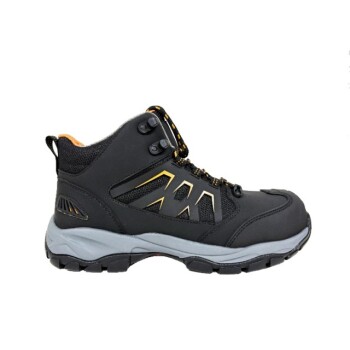
A protective heel cup serves as a critical stabilization mechanism designed to surround and contain the soft tissue of the heel. Its primary function is to limit the outward spreading (lateral deformation) of the heel’s fat pad, forcing that natural tissue to remain beneath the bone to serve as a cushion. By maintaining this shape, the cup increases the contact surface area during walking, which significantly reduces potentially damaging peak pressure.
The core value of a protective heel cup is "posterior decompression." By mechanically containing the heel's fat pad, the cup forces the foot to utilize its own natural shock absorption, preventing the concentrated pressure spikes that cause diabetic ulcers.
The Biomechanics of Decompression
Preserving Natural Cushioning
The human heel possesses a natural fat pad intended to absorb shock. However, under the weight of the body, this pad tends to flatten and spread sideways.
Limiting Lateral Deformation
A protective heel cup acts as a retaining wall. It physically limits the excessive lateral deformation of the heel fat pad.
By preventing the tissue from splaying outward, the cup ensures the fat pad remains concentrated directly under the calcaneus (heel bone). This maintains the foot's natural cushioning function exactly where mechanical stress is highest.
Reducing Peak Pressure
Pressure is force divided by area. When the heel strikes the ground, high force on a small point creates dangerous pressure spikes.
The heel cup creates a precise fit that increases the contact area between the heel and the pressure-bearing surface. Distributing the force over this wider area effectively lowers the peak pressure acting on any single point of the skin.
Structural Stability and Materials
Stabilizing the Rearfoot
Beyond pressure management, the heel cup (often reinforced by an external heel cap) provides essential stability. It helps align the rearfoot, reducing the risk of ankle injuries during movement.
Material Composition
To achieve this stability, heel components are often constructed from rigid or semi-rigid materials. Common choices include bonded leather, specialized card materials, thermoplastic foil, or thermoplastic rubber.
Integration with Outsoles
In advanced footwear designs, the heel support is sometimes integrated directly into the outsole. This anatomical design ensures consistent quality and a seamless transition between the foot and the ground.
Critical Considerations and Trade-offs
The Risk of Friction
While containment is necessary, a heel cup that is too rigid or poorly fitted can introduce new risks. If the cup fits too tightly, it may cause friction against the skin.
For diabetic patients with neuropathy (loss of sensation), this friction can go unnoticed. This makes the "wide toe box" and proper volume concepts mentioned in protective footwear equally relevant to the heel—there must be support without constriction.
Material Degradation
The materials used for heel cups, such as thermoplastics or bonded leather, must maintain their shape to be effective. Over time, repetitive stress can deform these materials.
If the cup loses its structural integrity, the fat pad will begin to splay again, causing a silent loss of protection. Regular inspection of the footwear is vital to ensure the cup still provides adequate resistance.
Making the Right Choice for Your Goal
Select your footwear strategy based on the specific medical or vocational needs of the patient:
- If your primary focus is Ulcer Prevention: Prioritize footwear with a deep, anatomically contoured heel cup that explicitly claims to limit fat pad deformation for maximum posterior decompression.
- If your primary focus is Vocational Safety: Look for high-top industrial boots that combine a rigid outer heel counter for stability with an internal, medical-grade offloading liner to replicate the cushioning function.
- If your primary focus is Ankle Stability: Ensure the design features a reinforced heel cap made of thermoplastic or composite materials to prevent rolling injuries while walking.
Ultimately, the heel cup acts as an external ligament, holding the foot's natural defenses in place to survive the repetitive stress of walking.
Summary Table:
| Feature | Primary Function | Clinical Benefit |
|---|---|---|
| Fat Pad Containment | Prevents lateral deformation of soft tissue | Preserves natural shock absorption |
| Pressure Distribution | Increases surface contact area | Reduces peak pressure & ulcer risk |
| Rearfoot Stability | Aligns the calcaneus (heel bone) | Prevents ankle injuries & rolling |
| Structural Material | Rigid/Semi-rigid (Thermoplastic/Leather) | Maintains long-term decompression |
Secure Your Bulk Footwear Supply with 3515
As a large-scale manufacturer serving distributors and brand owners, 3515 offers comprehensive production capabilities for all footwear types, anchored by our flagship Safety Shoes series. Our extensive portfolio covers work and tactical boots, outdoor shoes, training shoes, and sneakers, as well as Dress & Formal shoes to meet diverse bulk requirements.
Whether you need specialized diabetic-friendly features or high-performance industrial protection, our expertise ensures your products meet the highest standards of safety and comfort.
Contact us today to discuss your manufacturing needs!
References
- Li-Ying Zhang, Sun‐pui Ng. Analysis of Diabetic Foot Deformation and Plantar Pressure Distribution of Women at Different Walking Speeds. DOI: 10.3390/ijerph20043688
This article is also based on technical information from 3515 Knowledge Base .
Related Products
- Wholesale Leather Safety Boots with Customizable Protective Toe
- Wholesale Customizable Safety Boots Durable & Protective Footwear Manufacturing
- Wholesale Safety Footwear Manufacturer for Bulk & Custom OEM Orders
- Wholesale Durable Safety Boots | Custom Steel Toe & Puncture-Resistant Manufacturing
- Wholesale Mesh Steel Toe Safety Shoes with Dial Closure Factory Production
People Also Ask
- How do safety boots provide toe protection? A Guide to Steel vs. Composite Caps
- What workplace hazards do safety toe boots protect against? Comprehensive Protection Guide
- What are the OSHA and ASTM standards for safety toe boots? Ensure Your Footwear is Fully Compliant
- What do the symbols M, F, I, and C represent on safety toe boots? Decode ASTM F2413 for Maximum Protection
- What are the different types of safety toe boots available? Choose the Right Protection for Your Job