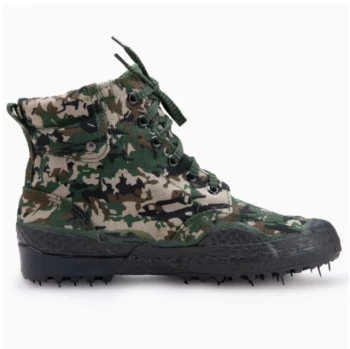
At their core, boots rated A/B and B on the Flex-Use scale provide a crucial blend of support, durability, and traction specifically engineered for day hiking. They are stiffer and more protective than a simple walking shoe but more flexible and lightweight than a heavy-duty backpacking boot, hitting the sweet spot for most trail conditions.
These boot categories solve a specific problem: they provide the necessary underfoot protection and ankle stability for carrying a daypack on uneven terrain without burdening you with the unnecessary weight and rigidity of a boot designed for multi-day expeditions.

Deconstructing the "Day Hiking" Boot: A/B and B Ratings
The A/B and B ratings signify a boot that has moved beyond simple trail walking and into the realm of true hiking. The features are designed to work as a system to reduce fatigue and increase safety on more demanding terrain.
The Foundation: Midsole Support
Boots in this range feature a more substantial midsole than lighter trail shoes. This thicker layer of EVA or Polyurethane is critical for absorbing shock on hard, rocky surfaces.
This construction prevents sharp rocks from bruising the bottom of your foot and provides a stable platform, which is essential when carrying the extra weight of a daypack.
The Chassis: Torsional Rigidity
A key differentiator is increased torsional rigidity—the boot's resistance to twisting. A/B and B boots often incorporate a partial or full shank (a stiff plate) in the midsole.
This structure prevents the boot from contorting when you step on uneven ground, which significantly reduces strain on your ankles and arches over a long day.
The Grip: Aggressive Outsoles
The outsoles on these boots feature deeper, more widely spaced lugs. This aggressive tread pattern provides superior traction on loose dirt, mud, and slick rock.
The result is better stability and confidence, especially during steep ascents and descents where a secure footing is paramount.
The Upper: Ankle Support and Durability
These boots are typically built with more durable materials like leather and rugged synthetic fabrics. They often come in a mid or high-cut design.
This provides direct support against ankle rolls and offers better protection from rocks, roots, and other trail hazards.
Understanding the Trade-offs
Choosing the right boot category is about matching the tool to the task. Selecting a boot that is too light or too heavy for day hiking introduces its own set of problems.
The Pitfall of "Too Light" (Category A)
Category A boots, like trail runners or walking shoes, prioritize flexibility and low weight. While excellent for flat, well-maintained paths, they lack the midsole support and rigidity for rocky terrain or carrying a pack.
This can lead to significant foot fatigue, stone bruises, and an increased risk of ankle sprains when conditions become more challenging.
The Burden of "Too Heavy" (Category C/D)
Conversely, Category C boots are designed for serious backpacking with heavy loads. They are extremely stiff to provide maximum support.
Using such a boot for a simple day hike is inefficient. The lack of flex will feel clunky and unnatural, leading to wasted energy and a less comfortable experience. Remember the old saying: a pound on your feet is like five on your back.
Making the Right Choice for Your Hike
Your decision between an A/B and a B-rated boot should be based on the specific terrain you frequent and the weight you typically carry.
- If your primary focus is on well-maintained trails with a light daypack: An A/B boot offers a superior balance of comfort and flexibility with just enough support.
- If your primary focus is on rocky, off-camber terrain or you carry a heavier daypack: A B-rated boot provides the extra stiffness and ankle support needed for more demanding conditions.
Ultimately, understanding these categories empowers you to select a boot that will support your adventure instead of holding you back.
Summary Table:
| Feature | A/B Rated Boots | B Rated Boots |
|---|---|---|
| Best For | Well-maintained trails, light daypacks | Rocky, uneven terrain, heavier daypacks |
| Flexibility | More flexible, comfortable | Stiffer, more supportive |
| Support & Protection | Good underfoot protection, moderate ankle support | Excellent underfoot protection, high ankle support |
| Weight | Lighter | Slightly heavier |
Ready to Equip Your Hikers with the Perfect Boot?
As a large-scale manufacturer, 3515 produces a comprehensive range of A/B and B-rated hiking boots for distributors, brand owners, and bulk clients. Our production capabilities ensure durable construction, precise support features, and reliable traction for day hiking enthusiasts.
Partner with us to offer high-quality footwear that builds customer trust and loyalty.
Contact our team today to discuss your manufacturing needs and get a quote.
Visual Guide

Related Products
- Wholesale High-Traction Camo Boots - Custom Manufacturer for Brands
- Durable Rubber Sole Outdoor Shoes Wholesale & Custom Manufacturing
- Durable Spiked Camouflage Boots Wholesale & Factory Production
- Wholesale Lightweight Tactical Boots Custom Manufacturer for Desert & Combat Use
- Wholesale Waterproof Tactical Boots Custom Suede & High-Traction Soles
People Also Ask
- What are the key features of the new line of camo boots? Built for Extreme Cold & Rugged Terrain
- Are camo boots necessary for hunting success? Prioritize Performance Over Pattern
- How does the Rank Score Test identify the primary causes of premature failure in tactical and work boots? Key Insights
- What is the technical logic behind using closed-eye testing for tactical boots? Unlocking Peak Footwear Stability
- What shoes to wear for a security job? Durable, Protective Footwear for Long Shifts