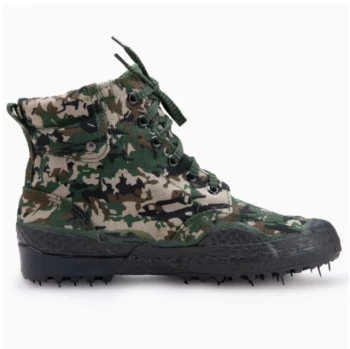
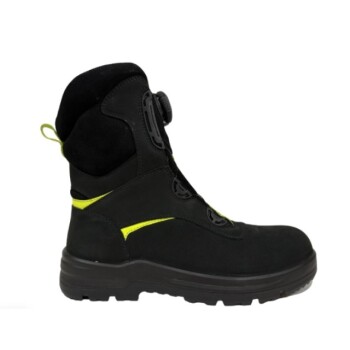
For hunting in marsh terrain, the essential features of a boot are absolute waterproofing, a tall shaft that covers the calf, and a lightweight, flexible design. These characteristics work together to keep you dry, protected from unseen underwater hazards, and mobile in the soft, unpredictable footing of a swamp or wetland.
The core challenge of marsh terrain is not solid ground, but water and mud. Therefore, the ideal marsh boot functions less like a rigid hiking boot and more like a protective, high-performance second skin that allows you to move quietly and efficiently through wet environments.
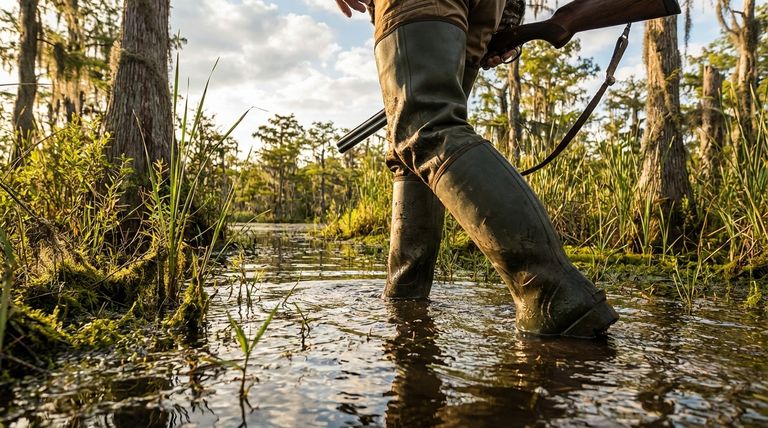
The Unique Demands of the Marsh Environment
Hunting in a marsh, bog, or swamp presents a set of challenges fundamentally different from those of a mountain or forest. The ground is often saturated, soft, and conceals what lies beneath the surface.
The Constant Presence of Water
Your primary adversary is water. It can be ankle-deep one moment and knee-deep the next. This makes staying dry a matter of safety and comfort, directly impacting your ability to remain in the field.
Unstable and Sucking Ground
Mud and soft earth create a high-energy environment. Every step can feel like it's trying to pull your boot off, leading to rapid fatigue. A heavy, rigid boot becomes an anchor in these conditions.
The Need for Scent Control
Water carries scent exceptionally well. For hunters, especially those pursuing deer or other wary game in wetlands, containing foot odor is a critical element of stealth.
The Essential Features for Marsh Dominance
To conquer these challenges, your boots must be purpose-built. Each feature serves a specific function tailored to the wetland environment.
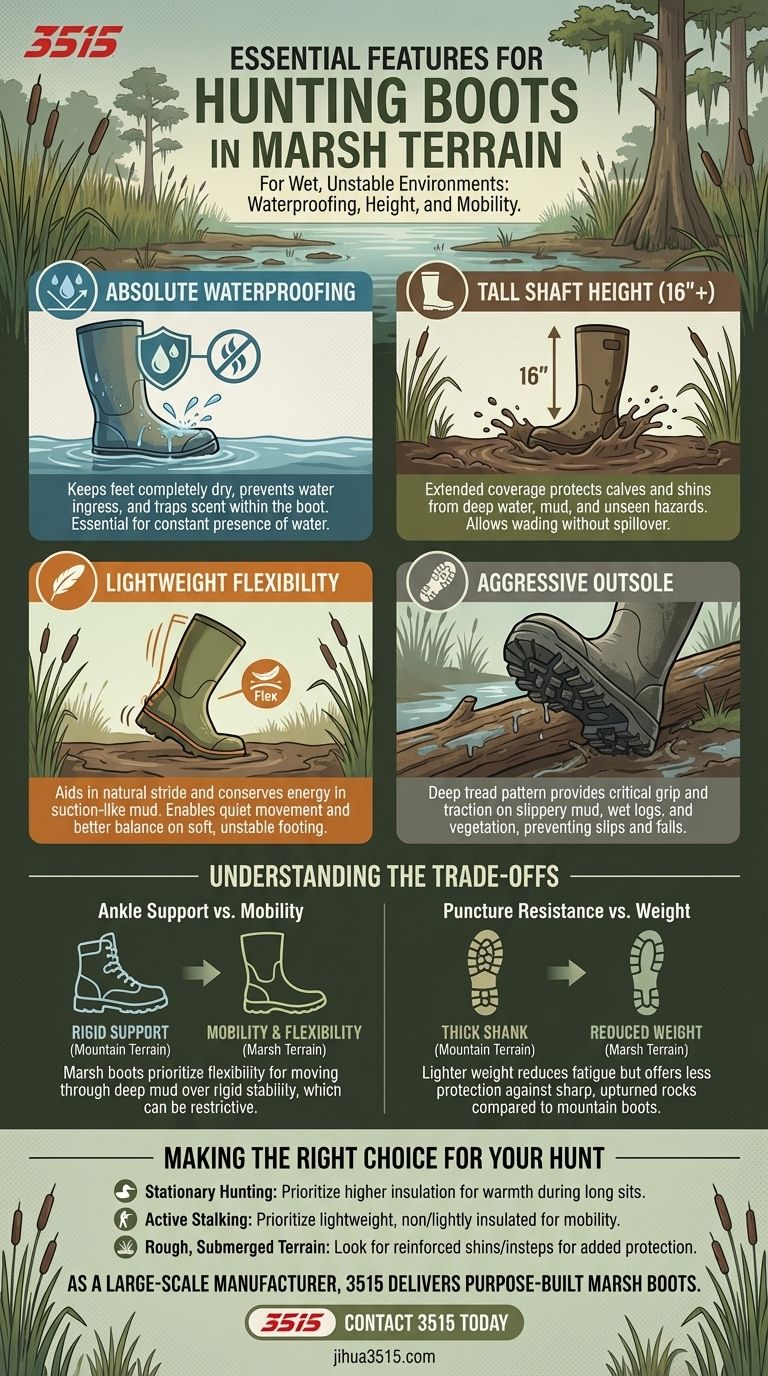
Absolute Waterproofing
This is the non-negotiable foundation. Most marsh boots are made of rubber or neoprene, which provides a completely impervious barrier to water. This not only keeps your feet dry but also traps human scent within the boot.
A Tall Shaft Height
A shaft height of 16 inches or more is standard. This extended coverage protects your shins and calves, allowing you to wade through deeper water and mud without it spilling over the top of your boot.
Lightweight Flexibility
Heavy, stiff boots are a significant liability in mud. A lightweight and flexible boot allows for a more natural stride, conserves energy, and lets you "feel" the unstable ground beneath your feet for better balance and stealth.
An Aggressive Outsole
While the boot should be flexible, the outsole needs a deep, aggressive tread pattern. This is crucial for gripping soft mud, wet logs, and slippery vegetation, preventing slips and falls.
Understanding the Trade-offs
Choosing a specialized marsh boot means sacrificing features that are critical in other terrains. Understanding this compromise is key to selecting the right tool for the job.
Ankle Support vs. Mobility
Marsh boots intentionally offer less rigid ankle support than mountain hunting boots. A stiff boot designed for side-hilling on rocky slopes would be clumsy and restrictive in deep mud. The trade-off is mobility and flexibility over rigid stability.
Puncture Resistance vs. Weight
While a good marsh boot offers protection from sharp sticks, it does not have the thick, stiff shank found in mountain boots. This reduces weight but offers less protection if you step directly on a sharp, upturned rock.
Insulation Levels
Insulation is a critical variable. Heavily insulated boots are ideal for stationary waterfowl hunting in cold weather but can cause overheating and excessive sweating if you are actively stalking game over long distances.
Making the Right Choice for Your Hunt
Your specific style of hunting should guide your final decision.
- If your primary focus is stationary hunting (e.g., in a duck blind): Prioritize higher levels of insulation for warmth during long, cold sits.
- If your primary focus is active stalking or walk-in hunting: Prioritize a lightweight, non-insulated or lightly insulated boot to maximize mobility and prevent overheating.
- If you face extremely rough, submerged terrain: Look for models with reinforced shins and insteps for added protection against hidden branches and obstacles.
Ultimately, the right boot for the marsh embraces the environment's wet and unstable nature, enabling you to move through it with confidence and efficiency.
Summary Table:
| Essential Feature | Why It Matters for Marsh Terrain |
|---|---|
| Absolute Waterproofing | Keeps feet dry, prevents water ingress, and aids in scent control. |
| Tall Shaft (16"+) | Protects calves and shins from deep water and mud overflow. |
| Lightweight & Flexible | Conserves energy, improves balance, and allows for quiet movement in soft ground. |
| Aggressive Outsole | Provides critical grip on slippery mud, wet logs, and unstable surfaces. |
Ready to Gear Up for Your Next Hunt?
As a large-scale manufacturer, 3515 produces a comprehensive range of high-performance hunting boots tailored for the toughest marsh terrains. Our production capabilities ensure you get durable, purpose-built footwear that combines absolute waterproofing with the lightweight flexibility you need. Whether you're a distributor, brand owner, or bulk client, we can deliver the perfect boot for your needs.
Contact 3515 today to discuss your hunting boot requirements and elevate your wetland expeditions!
Visual Guide
Related Products
- Wholesale Lightweight Tactical Boots Custom Manufacturer for Desert & Combat Use
- High-Traction Suede Tactical Boots Wholesale & Custom Manufacturing
- Durable Military Combat Boots with Water Drainage for Wholesale & OEM
- Durable Leather Tactical Boots Wholesale & Custom Manufacturing for Brands
- Wholesale Waterproof Tactical Boots Custom Suede & High-Traction Soles
People Also Ask
- What are the common types of combat boots? Find the Right Boot for Your Mission
- What specialized protections do tactical boots offer? Maximize Endurance with High-Performance Footwear
- What are the main construction similarities between tactical boots and tactical sneakers? Built for Performance & Durability
- What are the different types of tactical boots available? Find the Right Boot for Your Mission
- How is the compatibility of polymer materials demonstrated in smart footwear? Enhancing Tactical & Training Performance