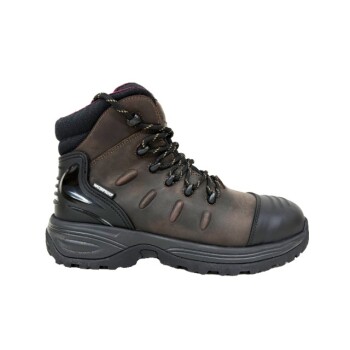
Industrial-grade safety shoes serve as the primary physical barrier against the specific mechanical hazards inherent to furniture manufacturing. In this environment, they provide two critical forms of defense: impact resistance to shield toes from falling heavy timber or semi-finished products, and puncture resistance to prevent injuries from floor-level hazards like pneumatic nails, glass shards, and wood splinters.
Effective foot protection in furniture manufacturing requires a dual-threat approach: safeguarding the top of the foot from crushing weights while simultaneously shielding the sole from penetrating sharp objects found during assembly.
Defending Against Heavy Material Handling
Impact Protection for Raw Materials
Furniture manufacturing relies heavily on processing raw timber and moving bulky semi-finished goods.
Impact-resistant features, such as reinforced toe caps, are essential to withstand the force of these heavy objects if they are dropped.
Preventing Crushing Injuries
Beyond simple drops, the movement of machinery and heavy stock creates a risk of compression.
Safety shoes utilizing high-strength steel or composite materials in the toe section create a rigid cage that prevents crushing injuries during the transport of heavy loads.
Mitigating Floor-Level Hazards During Assembly
Barriers Against Sharp Objects
The assembly floor in a furniture plant is frequently littered with hazardous debris.
Puncture-resistant midsoles are critical here, stopping sharp items like pneumatic nails or stray glass shards from penetrating the sole and entering the foot.
Protection from Organic Debris
Unlike general manufacturing, furniture production generates specific organic hazards like sharp wood splinters.
Industrial-grade soles provide a dense layer of protection that prevents these common workshop byproducts from causing painful, infection-prone injuries.
Ergonomics and Stability Support
Reducing Long-Term Fatigue
Furniture manufacturing often requires prolonged standing or the operation of foot pedals on machinery like sewing stations.
High-quality safety footwear includes ergonomic arch support and shock absorption to alleviate pressure on the lower limbs and back, complementing factory ergonomic measures.
Ensuring Stability
Moving heavy timber requires solid footing to prevent accidents.
Anti-slip outsoles provide the necessary traction to maintain stability on various ground surfaces, reducing the risk of falls while carrying heavy loads.
Understanding the Trade-offs
Weight vs. Agility
While steel-toe boots offer maximum protection against crushing, they add significant weight to the wearer's feet.
This can increase fatigue over long shifts compared to composite alternatives, which are lighter but may be bulkier.
Protection vs. Breathability
Footwear designed with thick, puncture-resistant soles and impact guards often sacrifices ventilation.
In hot manufacturing environments, this lack of breathability can lead to discomfort or moisture buildup, requiring a balance between safety features and climate control.
Making the Right Choice for Your Goal
Selecting the correct footwear depends on the specific station within the furniture factory.
- If your primary focus is heavy timber handling: Prioritize shoes with steel or high-strength composite toe caps to ensure maximum protection against crushing impacts.
- If your primary focus is assembly and finishing: Look for footwear with superior puncture-resistant midsoles to defend against nails, glass, and sharp splinters.
- If your primary focus is machine operation: Choose options with ergonomic shock absorption and arch support to reduce strain from standing or pedal usage.
By aligning the protective features of industrial safety shoes with the specific risks of the furniture production line, you ensure not just compliance, but the long-term health and efficiency of the workforce.
Summary Table:
| Hazard Category | Protection Feature | Primary Benefit in Furniture Manufacturing |
|---|---|---|
| Heavy Timber Handling | Reinforced Toe Caps (Steel/Composite) | Prevents crushing injuries from falling raw materials or bulky stock. |
| Assembly & Finishing | Puncture-Resistant Midsoles | Blocks pneumatic nails, glass shards, and sharp wood splinters. |
| Prolonged Standing | Shock Absorption & Arch Support | Reduces fatigue during machine operation and long assembly shifts. |
| Unstable Surfaces | Anti-slip Outsoles | Ensures traction and stability when moving heavy semi-finished goods. |
Partner with 3515 for Robust Manufacturing Safety Solutions
As a large-scale manufacturer serving distributors and brand owners, 3515 offers comprehensive production capabilities for all footwear types, anchored by our flagship Safety Shoes series. Whether your clients need impact-resistant boots for timber handling or puncture-proof footwear for assembly lines, our extensive portfolio covers work and tactical boots, outdoor shoes, training shoes, sneakers, and Dress & Formal shoes to meet diverse bulk requirements.
Enhance your product line with industry-leading protection. Contact us today to discuss your wholesale needs!
References
- Fitriyani Fitriyani, Michelle Angela. Identifikasi Bahaya dan Penilaian Risiko Pekerja Industri Mebel Kota Payakumbuh. DOI: 10.25077/jk3l.4.2.103-112.2023
This article is also based on technical information from 3515 Knowledge Base .
Related Products
- Premium Waterproof High-Cut Industrial Safety Boots for Wholesale and Bulk Orders
- Premium Wheat Nubuck Safety Shoes for Bulk Distribution
- Premium Wholesale Tactical Style Safety Shoes Boots with Quick Lacing
- Premium KPU Athletic Safety Shoes for Wholesale
- Wholesale Mesh Steel Toe Safety Shoes with Dial Closure Factory Production
People Also Ask
- Why are oil-resistant and anti-slip properties critical for industrial safety boots? Expert Outsole Engineering Guide
- What are the primary protective functions of industrial safety boots in oil palm plantations? Master Rough Terrain Safety
- Why are industrial safety boots with high-grip outsoles required for oil leaks and B3 waste? Ensure Worker Stability
- How do industrial safety boots assist maintenance personnel working on high-level palm oil factory structures?
- Why is professional industrial-grade safety footwear a suitable carrier for diabetic rehabilitation insoles?