Chukka-style desert boots are primarily manufactured using cemented, stitch-down, and Blake rapid construction methods, which prioritize a balance of lightweight flexibility and production efficiency. While these methods allow for massive scalability in high-volume manufacturing, the repairability of the boot is heavily dictated by the quality of the upper leather and the specific attachment technique used.
High-volume production of chukka boots relies on construction methods that balance speed and structural integrity. While professional resoling is possible for most stitched varieties, the long-term value of the repair depends entirely on the durability of the upper materials selected during the OEM process.
Dominant Construction Methods in Modern Manufacturing
The Versatility of Stitch-down and San Crispino
Stitch-down construction is a hallmark of the traditional desert boot, where the upper leather is flared outward and stitched directly to the outsole. This method creates a highly flexible, wider platform that is both durable and distinct in its aesthetic.
The San Crispino method is a more complex variation often utilized in premium manufacturing to enhance water resistance and structural longevity. Both methods offer a degree of repairability, though they require specialized machinery and expertise to execute at a global production scale.
Efficiency via Cemented and Blake Rapid Methods
Cemented construction, where the sole is bonded to the upper with high-strength adhesives, is the industry standard for high-volume, cost-effective delivery. This method allows for the lightweight, "barefoot" feel that many modern consumers demand in a casual chukka.
Blake rapid stitching is a more robust alternative that combines an internal stitch with an external midsole attachment. This allows for a sleeker profile than a traditional welt while remaining technically resoleable by a professional cobbler.
Material Selection and Its Impact on Longevity
The Role of Upper Leather Durability
The feasibility of repairing a boot is ultimately limited by the "life" remaining in the upper material. If a brand utilizes thin or low-grade suedes, the leather may lose its structural tension before the sole requires replacement.
For distributors looking for longevity, specifying premium calfskin or heavyweight suede ensures the boot remains a viable candidate for resoling. High-quality uppers can withstand the mechanical stress of being unstitched and re-lasted during the repair process.
Unlined vs. Lined Configurations
Traditional desert boots are often unlined to maximize breathability and softness, a heritage design choice that dates back decades. However, unlined boots are more prone to stretching and losing their shape over time compared to lined versions.
Fully lined chukka boots, often utilizing Goodyear welt construction, provide the structural "skeleton" necessary for multiple resoles. These are typically positioned as premium, investment-grade footwear within a product portfolio.
Understanding the Trade-offs
Scalability vs. Repairability
The primary trade-off in chukka manufacturing is the balance between production speed and ease of repair. While Goodyear welting is the gold standard for repairability, its complexity can limit daily output volumes in a massive supply chain.
Methods like cemented construction offer incredible speed and consistency for large-scale B2B orders but are generally considered "disposable" once the sole wears through. Understanding this balance is critical for brand owners when defining their market positioning and price points.
Cost-Benefit Analysis of Resoling
Even when a boot is technically resoleable, the labor cost for a professional cobbler may approach the original wholesale cost of the footwear. This is particularly true for lightweight desert boots where the focus is on immediate out-of-the-box comfort rather than multi-decade utility.
For enterprise-level distributors, the goal is often to provide a product that offers maximum durability during its initial life cycle. This minimizes the need for after-sales support while maintaining a high reputation for quality and reliability.
Making the Right Choice for Your Goal
As a manufacturing partner with a heritage dating back to 1951, we understand that different market segments require different technical approaches to construction.
- If your primary focus is high-volume retail and competitive pricing: Utilize cemented or Blake rapid construction to ensure lightweight comfort and rapid production turnaround.
- If your primary focus is premium brand positioning and longevity: Specify Goodyear welt or heavy-duty stitch-down construction with high-grade leather uppers to ensure the footwear is fully resoleable.
- If your primary focus is heritage-inspired aesthetics and breathability: Opt for unlined suede uppers with traditional stitch-down construction to honor the classic desert boot silhouette.
By aligning construction methods with your specific distribution goals, you ensure a product that meets the rigorous demands of the global footwear market.
Summary Table:
| Construction Method | Key Characteristics | Repairability Level | Ideal Target Market |
|---|---|---|---|
| Stitch-down | Upper flared out & stitched to outsole | Moderate to High | Heritage brands & rugged casual wear |
| Cemented | Sole bonded with high-strength adhesives | Low (Disposable) | High-volume retail & budget-friendly lines |
| Blake Rapid | Internal & external stitching | Moderate (Cobbler required) | Premium casual & sleek fashion profiles |
| Goodyear Welt | Stitched welt for maximum durability | Very High | Investment-grade & luxury footwear |
Partner with a Legacy Manufacturer for Your Footwear Success
As a large-scale manufacturer serving distributors and brand owners since 1951, 3515 offers the expertise and infrastructure needed to scale your brand. Whether you are looking for high-volume Chukka-style boots, our flagship Safety Shoes series, or high-performance tactical and outdoor footwear, we provide the perfect balance of heritage craftsmanship and state-of-the-art production.
Why choose 3515?
- Massive Production Scale: Reliable large-volume delivery to meet global demand.
- Premium OEM/ODM Capabilities: Fully customizable designs to fit your brand identity.
- International Certifications: Products built to meet rigorous global standards.
- Supply Chain Stability: 70+ years of manufacturing excellence ensuring consistent quality.
Ready to enhance your product portfolio and maximize your profit margins? Contact our expert team today to discuss your bulk requirements!
Related Products
- Wholesale Lightweight Tactical Boots Custom Manufacturer for Desert & Combat Use
- Durable Rubber Sole Outdoor Shoes Wholesale & Custom Manufacturing
- Durable Military Combat Boots with Water Drainage for Wholesale & OEM
- Durable Leather Tactical Boots Wholesale & Custom Manufacturing for Brands
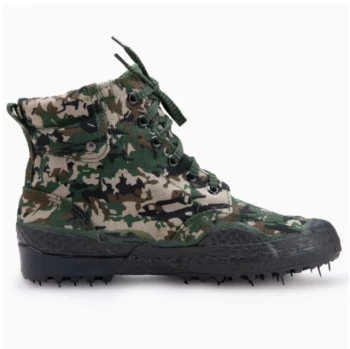
- Durable Spiked Camouflage Boots Wholesale & Factory Production
People Also Ask
- What are the common types of combat boots? Find the Right Boot for Your Mission
- What specialized protections do tactical boots offer? Maximize Endurance with High-Performance Footwear
- How does additive manufacturing equipment reduce environmental risks? Sustainable Tactics for Modern Footwear Production
- What is the role of high-frequency acquisition hardware in technical skill analysis for outdoor and tactical boots?
- What are the different types of tactical boots available? Find the Right Boot for Your Mission