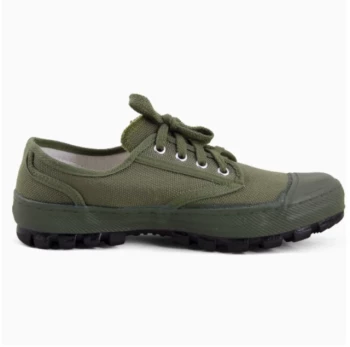
At its core, a TPU sole is a modern footwear outsole made from thermoplastic polyurethane. It is engineered to deliver a superior combination of properties, primarily known for being exceptionally durable, lightweight, and highly resistant to abrasion, oils, and splitting when compared to more traditional materials.
Choosing a TPU sole means opting for the resilience and toughness of materials like rubber, but in a significantly lighter package. It represents a modern solution where long-term performance and reduced user fatigue are paramount.
The Core Advantages of TPU Soles Explained
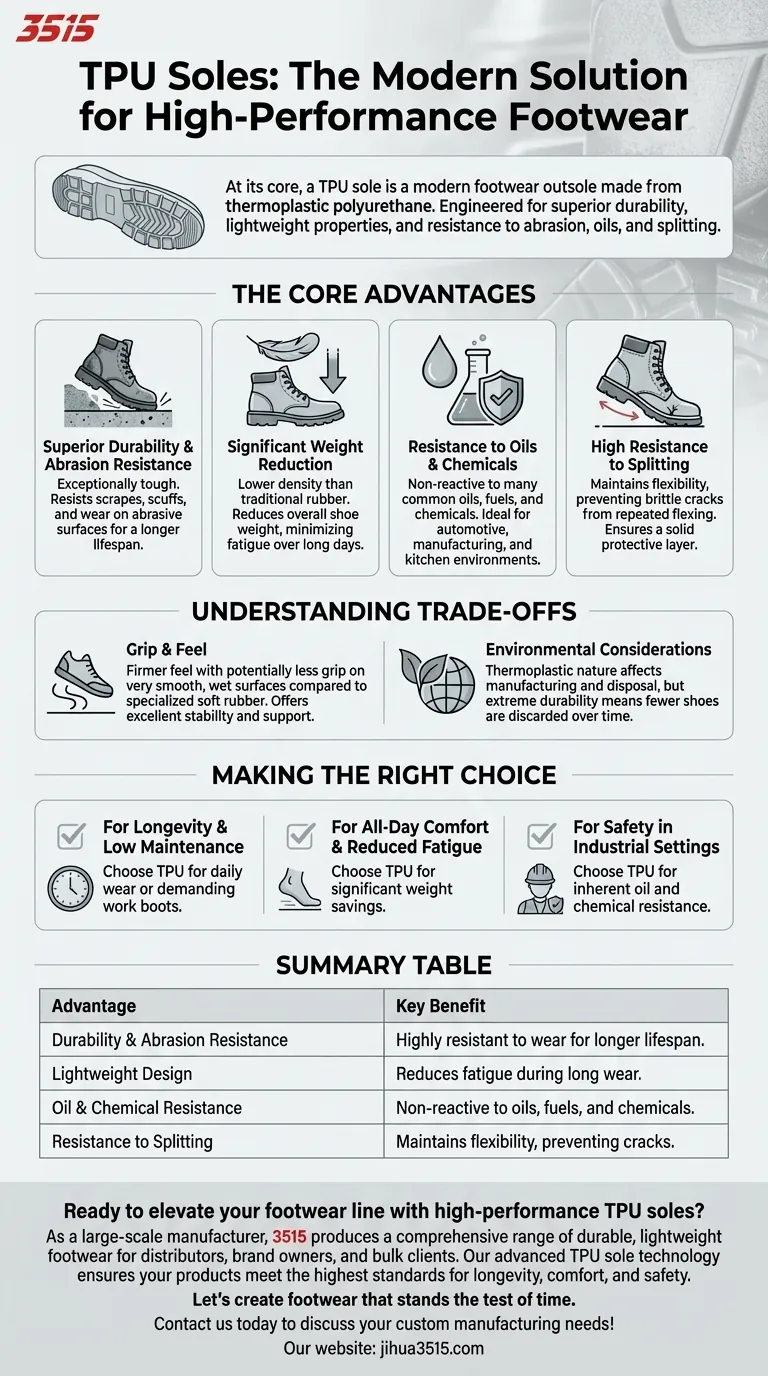
To understand why TPU has become a preferred material in high-quality footwear, it's essential to break down its specific benefits. Each property addresses a common failure point or drawback of other sole materials.
Superior Durability and Abrasion Resistance
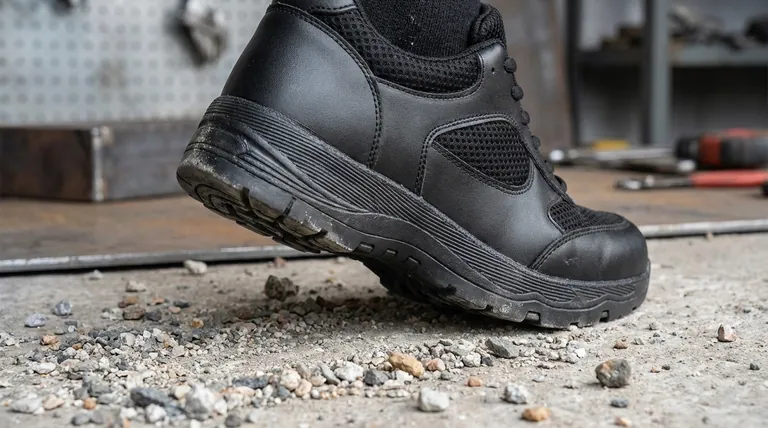
TPU is an exceptionally tough material. Its molecular structure makes it highly resistant to scrapes, scuffs, and general wear and tear from walking on abrasive surfaces like concrete or gravel.
This translates directly to a longer lifespan for the footwear, maintaining its structural integrity and appearance over time.
Significant Weight Reduction
One of the most noticeable advantages of TPU is its lower density compared to traditional solid rubber.
By reducing the sole's weight, the overall weight of the shoe is decreased, leading to less fatigue for the wearer over a long day. This is a critical factor in both work boots and performance footwear.
Resistance to Oils and Chemicals
TPU is non-reactive to many common oils, fuels, and chemicals.
This makes it an ideal choice for work environments such as automotive shops, manufacturing floors, or kitchens where exposure to such substances can cause other materials to degrade, soften, or lose their integrity.
High Resistance to Splitting
Unlike some materials that can become brittle and crack over time, especially with repeated flexing, TPU maintains its flexibility.
This inherent resistance to splitting and tearing ensures the sole remains a single, solid protective layer, preventing catastrophic failure and extending the shoe's usable life.
Understanding the Trade-offs
No single material is perfect for every application. To make an informed decision, it's crucial to understand the potential trade-offs associated with TPU.
Grip and Feel
While highly durable, some TPU formulations can feel firmer and may offer less grip on very smooth, wet surfaces compared to specialized soft rubber compounds designed explicitly for maximum traction.
The firm nature of TPU provides excellent stability and support, but some users may prefer the softer, more cushioned feel of other materials. The overall comfort often depends on the midsole and insole design working in conjunction with the TPU outsole.
Environmental Considerations
As a thermoplastic, the manufacturing and end-of-life disposal of TPU are factors to consider for those focused on environmental impact. However, its extreme durability means fewer pairs of shoes are consumed and discarded over time, offering a counterpoint on the issue of sustainability.
Making the Right Choice for Your Goal
Selecting footwear with a TPU sole should be based on your specific needs and environment.
- If your primary focus is longevity and low maintenance: The exceptional resistance to abrasion and splitting makes TPU an ideal choice for daily wear or demanding work boots.
- If your primary focus is all-day comfort and reduced fatigue: The significant weight savings of TPU compared to traditional rubber is a key advantage for anyone who spends long hours on their feet.
- If your primary focus is safety in industrial settings: The inherent oil and chemical resistance provides a crucial layer of protection and durability in workshops or on factory floors.
Ultimately, choosing a TPU sole is an investment in a modern material engineered for lightweight, long-lasting performance.
Summary Table:
| Advantage | Key Benefit |
|---|---|
| Durability & Abrasion Resistance | Highly resistant to wear, scrapes, and scuffs for a longer lifespan. |
| Lightweight Design | Reduces overall shoe weight, minimizing user fatigue during long wear. |
| Oil & Chemical Resistance | Ideal for industrial settings; non-reactive to oils, fuels, and chemicals. |
| Resistance to Splitting | Maintains flexibility and integrity, preventing cracks from repeated flexing. |
Ready to elevate your footwear line with high-performance TPU soles?
As a large-scale manufacturer, 3515 produces a comprehensive range of durable, lightweight footwear for distributors, brand owners, and bulk clients. Our advanced TPU sole technology ensures your products meet the highest standards for longevity, comfort, and safety—perfect for work boots, performance shoes, and industrial applications.
Let’s create footwear that stands the test of time. Contact us today to discuss your custom manufacturing needs!
Visual Guide
Related Products
- Wholesale Waterproof Tactical Boots Custom Suede & High-Traction Soles
- Durable Rubber Sole Outdoor Shoes Wholesale & Custom Manufacturing
- Advanced KPU Athletic Safety Shoe with Steel Toe Cap Anti-Slip Rotary Lacing System
- Wholesale Breathable Training Shoes Custom Athletic Footwear Manufacturer
- High-Traction Suede Tactical Boots Wholesale & Custom Manufacturing
People Also Ask
- What waterproof technology is used in tactical boots? Unlock All-Weather Performance & Protection
- What are the advantages and disadvantages of waterproof tactical boots? A Guide to the Key Trade-Offs
- What is the significance of waterproof functionality in tactical boots? Essential for Health & Performance
- What is the role of professional 3D medical imaging software in optimizing tactical boot design and performance?
- What features enhance breathability and comfort in tactical boots? A Guide to Superior Footwear Performance