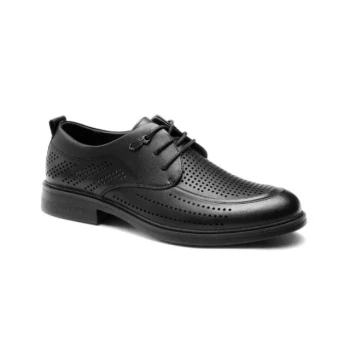
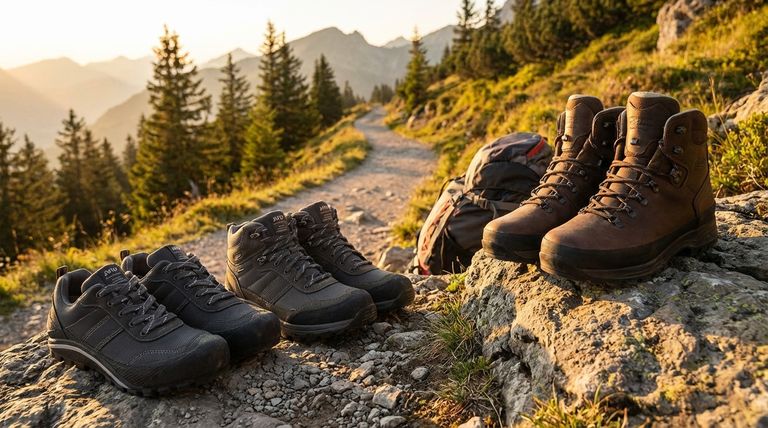
As a general rule, you can expect trail runners and hiking shoes to cost between $100 and $150. True hiking boots represent a significant step up in construction and materials, typically costing double that amount or more, with high-quality, all-leather models often exceeding $300.
The price of hiking footwear is a direct reflection of its intended purpose. The substantial price increase for boots is not arbitrary; it signifies a fundamental shift in materials, durability, and support designed for more demanding conditions and heavier loads.
What Drives the Price Difference?
The cost of outdoor footwear is directly tied to three key factors: the complexity of its construction, the durability of its materials, and the level of support it provides.
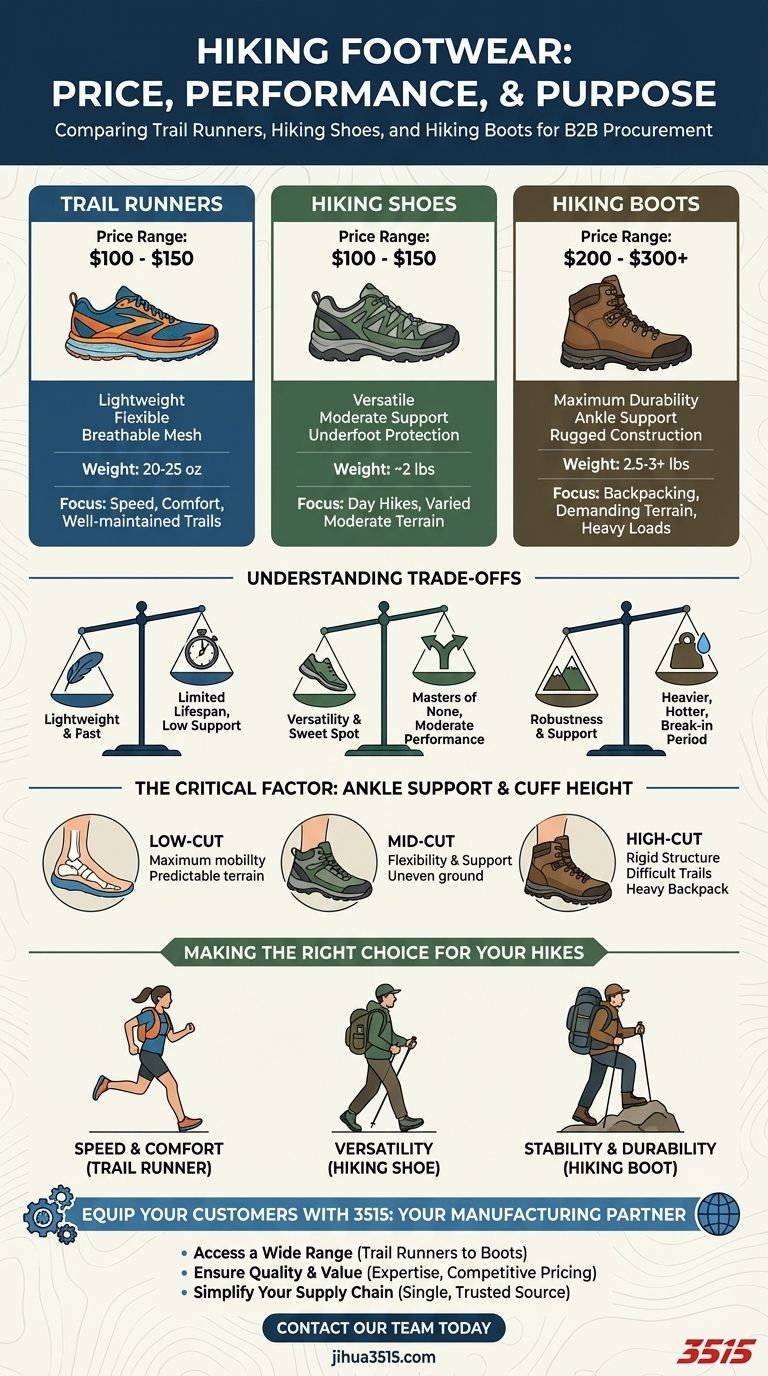
Category 1: Trail Runners ($100 - $150)
Trail runners prioritize being lightweight and flexible above all else. They are essentially rugged running shoes with more aggressive tread for traction on dirt and rock.
Their construction favors breathable mesh and less robust materials, keeping the weight down to a mere 20 to 25 ounces per pair. This makes them ideal for moving quickly in warm climates on less technical terrain.
Category 2: Hiking Shoes ($100 - $150)
Hiking shoes occupy the middle ground. They offer more durability and underfoot protection than a trail runner but without the weight and bulk of a full boot.
Weighing around two pounds per pair, they often feature a stiffer sole and more protective materials around the toe and heel. This makes them a versatile choice for day hikes on moderate trails.
Category 3: Hiking Boots ($200 - $300+)
Hiking boots are built for maximum durability and support. The significant price jump is due to their more rugged construction, higher-quality materials like leather, and features like waterproof membranes and high cuffs for ankle stability.
These boots are the heaviest option, often weighing between two and a half to three pounds or more. This robust build is necessary for carrying heavy packs over demanding, multi-day itineraries, especially in mountainous or winter conditions.
Understanding the Trade-offs
Choosing footwear is always a balance between weight, support, and durability. Understanding the compromises inherent in each category is key to making an informed decision.
The Cost of Being Lightweight
The primary drawback of trail runners is their limited lifespan. The lightweight materials that make them comfortable and fast also make them wear out much more quickly than boots. They also offer minimal ankle support, increasing risk on uneven ground.
The Burden of Robustness
A heavy-duty hiking boot can feel cumbersome and hot on a simple, well-maintained trail. Their stiff construction often requires a break-in period and their weight adds to fatigue on long days. They are specialized tools that can be overkill for casual walks.
The Versatile Compromise
Hiking shoes represent the sweet spot for many people, but they are masters of none. They aren't as fast and breathable as a trail runner, nor are they as supportive and durable as a boot.
The Critical Factor: Ankle Support and Cuff Height
Beyond the general category, the height of the shoe's cuff is a critical feature that impacts both support and intended use.
Low-Cut
Found on all trail runners and some hiking shoes, the low-cut design ends below the ankle. It offers maximum mobility and is best for simple walks or fast hiking on predictable terrain.
Mid-Cut
Common on hiking shoes and lighter boots, the mid-cut design wraps around the ankle bones. It provides a balance of flexibility and increased support, making it ideal for easier routes where you might encounter some uneven ground.
High-Cut
This design is the hallmark of true hiking boots. It extends well above the ankle, providing a rigid structure that significantly reduces the risk of sprains on difficult trails and when carrying a heavy backpack.
Making the Right Choice for Your Hikes
Your decision should be based entirely on the type of hiking you plan to do most often.
- If your primary focus is speed and comfort on well-maintained trails: A trail runner in the $100-$150 range is your most efficient choice.
- If your primary focus is versatility for varied day hikes with a light pack: A low or mid-cut hiking shoe, also around $100-$150, offers the best balance of features.
- If your primary focus is stability, durability, and backpacking with a heavy load: Investing $200+ in a high-cut hiking boot is essential for your safety and performance.
Ultimately, choosing the right footwear is less about the price tag and more about investing in the right tool for the terrain you intend to conquer.
Summary Table:
| Footwear Type | Typical Price Range | Key Characteristics | Ideal Use Case |
|---|---|---|---|
| Trail Runners | $100 - $150 | Lightweight, flexible, breathable mesh | Fast hiking on well-maintained trails |
| Hiking Shoes | $100 - $150 | Versatile, moderate support & durability | Day hikes on varied, moderate terrain |
| Hiking Boots | $200 - $300+ | Maximum support, durability, high-cut ankle | Backpacking & demanding terrain with heavy loads |
Ready to Equip Your Customers with the Perfect Footwear?
As a large-scale manufacturer, 3515 produces a comprehensive range of high-quality hiking footwear for distributors, brand owners, and bulk clients. Our production capabilities encompass all types of shoes and boots, ensuring you get the right product for your market's needs.
Partner with us to:
- Access a Wide Range: From lightweight trail runners to durable, all-leather hiking boots.
- Ensure Quality & Value: Benefit from our manufacturing expertise and competitive pricing.
- Simplify Your Supply Chain: Rely on a single, trusted source for all your footwear requirements.
Contact our team today to discuss your needs and discover how 3515 can be your reliable footwear manufacturing partner.
Visual Guide
Related Products
- Durable Rubber Sole Outdoor Shoes Wholesale & Custom Manufacturing
- Wholesale High-Traction Camo Boots - Custom Manufacturer for Brands
- Wholesale Durable Camouflage Canvas Shoes with High-Traction Cleated Rubber Sole
- Wholesale Durable Camo Canvas Shoes with High-Traction Rubber Soles
- Wholesale Lightweight Tactical Boots Custom Manufacturer for Desert & Combat Use
People Also Ask
- What is the function of the sole in outdoor shoes? Find the Perfect Grip and Support
- What role do outdoor shoes and sneakers play in navigating external terrains? Engineered Stability for Every Surface
- How is AI utilized in the design of outdoor and safety footwear? Harnessing Big Data for Market-Driven Shoe Innovation
- Why is durability important when selecting outdoor shoes? A Guide to Safety & Long-Term Value
- What are the key components of outdoor shoes that affect comfort and sturdiness? A Guide to Durable, High-Performance Footwear