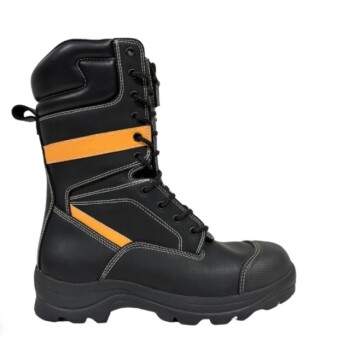
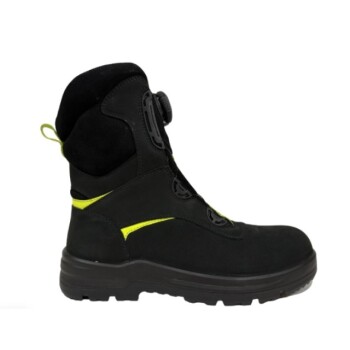
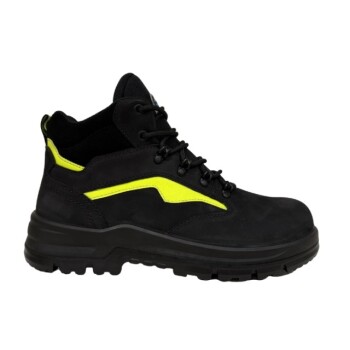
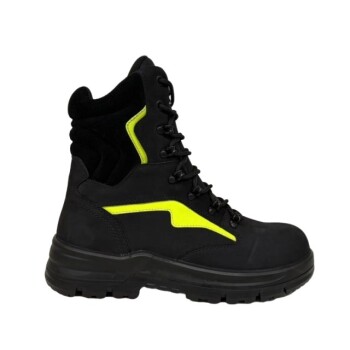
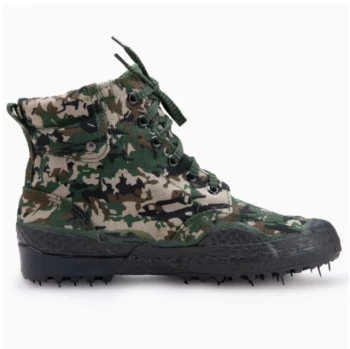
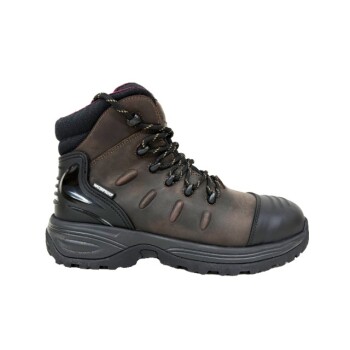
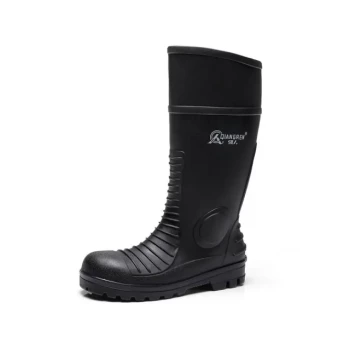
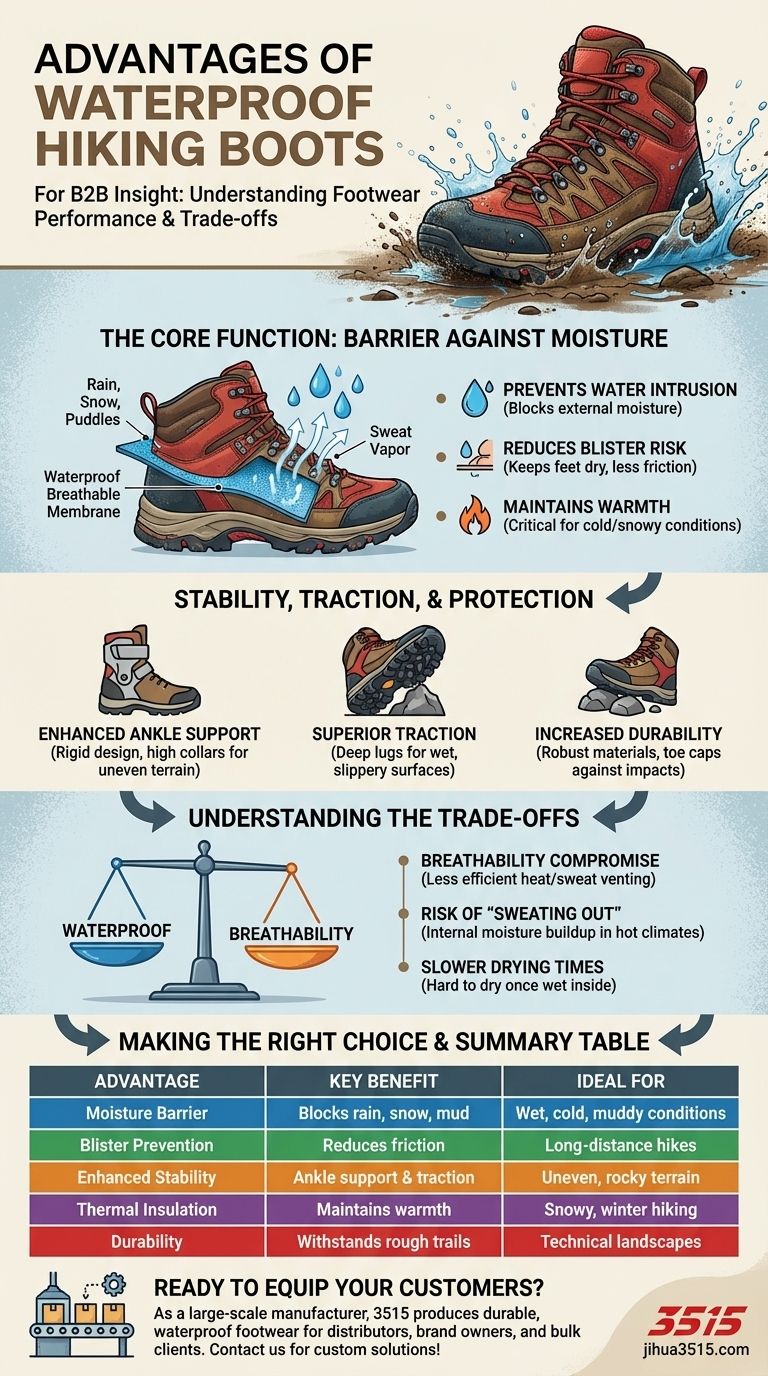
The primary advantage of waterproof hiking boots is their ability to create an impenetrable barrier against external moisture. This core function keeps your feet dry when hiking through rain, snow, mud, or shallow streams, which directly contributes to greater comfort, warmth, and the prevention of friction-related blisters.
The decision to use waterproof boots is fundamentally a trade-off. While they excel at blocking external water, they inherently sacrifice some breathability, which can trap internal moisture (sweat) in warmer conditions. Understanding your typical hiking environment is the key to making the right choice.
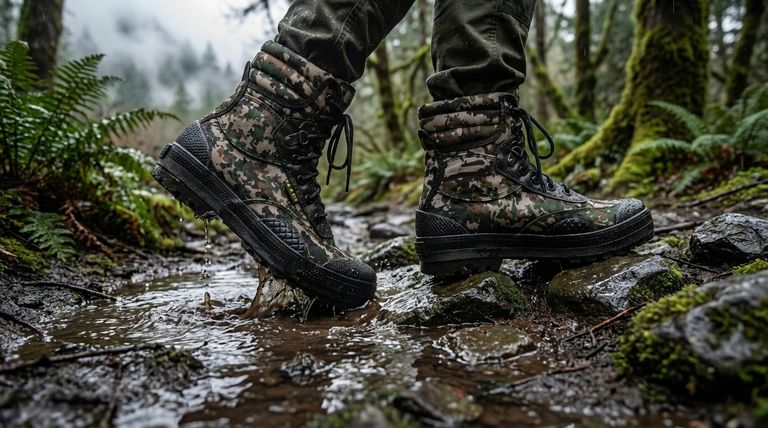
The Core Function: A Barrier Against Moisture
The most obvious benefit of waterproof boots is their capacity to keep your feet dry from the outside world. This is typically achieved through a specialized waterproof, breathable membrane, like Gore-Tex, built into the boot's lining.
Preventing Water Intrusion
A waterproof membrane is engineered with pores small enough to block liquid water molecules from entering, but large enough to allow water vapor (sweat) to escape. This technology is your first line of defense against rain, puddles, and melting snow.
Reducing the Risk of Blisters
Moisture is the primary catalyst for blisters. When your skin is damp, it softens and becomes much more susceptible to friction from your sock and boot. By keeping feet dry, you significantly reduce the risk of this common and painful hiking ailment.
Maintaining Warmth in Cold Conditions
Wet feet lose heat dramatically faster than dry feet. In cold or snowy environments, waterproof boots are critical for insulation, preventing your feet from becoming dangerously cold and helping to regulate your overall body temperature.
Stability, Traction, and Protection
Beyond just keeping water out, the design of most waterproof hiking boots offers significant structural benefits that enhance safety on the trail.
Enhanced Ankle Support
Waterproof boots are often constructed with a more rigid design and higher ankle collars. This provides crucial support that helps prevent twists and sprains, especially when navigating uneven or rocky terrain with a heavy pack.
Superior Traction on Slippery Surfaces
These boots are almost always equipped with deep, aggressive lugs on their rubber outsoles. This rugged tread is specifically designed to provide reliable grip on challenging surfaces like wet rocks, mud, and slick roots.
Increased Durability
The materials used to make a boot waterproof and sturdy also make it more durable. Features like reinforced toe caps and robust leather or synthetic uppers protect your feet from impacts with rocks and other trail hazards.
Understanding the Trade-offs
No single piece of gear is perfect for every situation. The advantages of waterproof boots come with clear compromises that are important to understand.
The Breathability Compromise
While waterproof membranes are marketed as "breathable," they are always less breathable than non-waterproof materials. They simply cannot vent heat and sweat as efficiently as an open-weave mesh shoe.
The Risk of "Sweating Out"
In hot and dry climates, this lack of breathability can become a significant problem. Your feet may sweat more than the membrane can vent, leading to damp socks and the very blisters you sought to avoid.
Slower Drying Times
The paradox of a waterproof boot is that once water gets inside—for instance, during a deep river crossing that goes over the boot's cuff—it has a very difficult time getting out. The membrane that keeps water from entering also keeps it from escaping, resulting in extremely long drying times.
Making the Right Choice for Your Hike
Your decision should be based entirely on the conditions you expect to face on the trail.
- If your primary focus is hiking in cold, wet, or snowy conditions: A waterproof boot is non-negotiable for warmth, safety, and comfort.
- If your primary focus is hiking in moderate, three-season climates with mud or rain: Waterproof boots are a versatile and reliable choice that will keep you comfortable in unpredictable weather.
- If your primary focus is hiking in hot, arid environments with minimal water: A more breathable, non-waterproof trail runner or hiker is the superior choice to maximize ventilation and prevent internal moisture buildup.
Ultimately, choosing the right footwear is about correctly matching your gear to your environment.
Summary Table:
| Advantage | Key Benefit | Ideal For |
|---|---|---|
| Moisture Barrier | Blocks rain, snow, and mud | Wet, cold, or muddy conditions |
| Blisters Prevention | Reduces friction by keeping feet dry | Long-distance or multi-day hikes |
| Enhanced Stability | Provides ankle support and traction | Uneven or rocky terrain |
| Thermal Insulation | Maintains warmth in cold environments | Snowy or winter hiking |
| Durability | Withstands rough trails and impacts | Technical or rugged landscapes |
Ready to equip your customers with high-performance waterproof hiking boots? As a large-scale manufacturer, 3515 produces a comprehensive range of durable, waterproof footwear for distributors, brand owners, and bulk clients. Our production capabilities cover all types of hiking boots designed for comfort, safety, and longevity. Contact us today to discuss your custom footwear needs and enhance your product lineup with reliable, trail-ready boots!
Visual Guide
Related Products
- High Performance Fire-Retardant Waterproof Safety Boots
- Premium Flame-Retardant Waterproof Safety Boots and Shoes
- Wholesale Waterproof Tactical Boots Custom Suede & High-Traction Soles
- Premium High-Cut Waterproof Safety Boots Manufacturing & Wholesale Solutions
- Durable Waterproof Rain Boots | Custom Manufacturer for Wholesale & Brands
People Also Ask
- Why are waterproof safety boots recommended for certain work environments? Essential Protection for Wet & Hazardous Jobs
- What roles do 3D vision systems and industrial robots play in the manufacturing of fire safety boots? Smart Automation
- What is the advantage of one-piece construction in waterproof boots? Unbeatable Seamless Protection
- What are the primary benefits of incorporating waterproof technology into professional and outdoor boots? Boost Value
- What are the drawbacks of waterproof boots? The Breathability vs. Protection Trade-Off