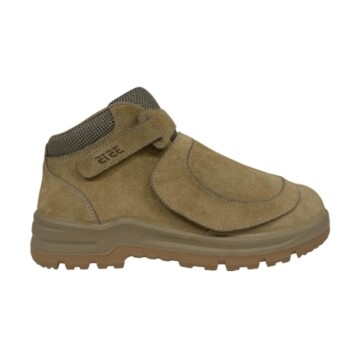
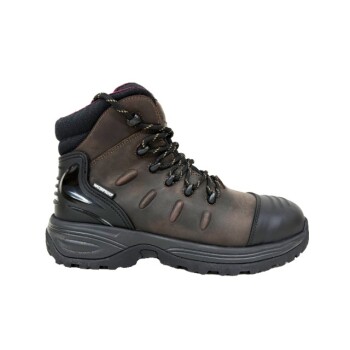
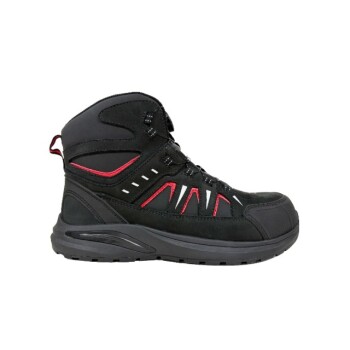
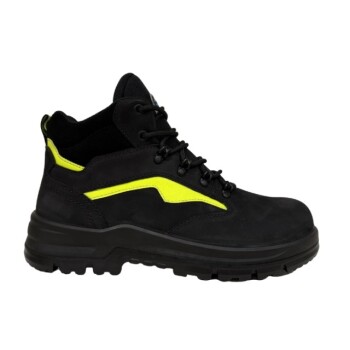
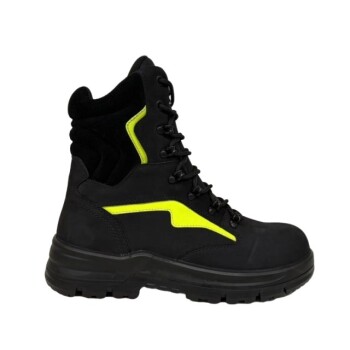
For security guard boots, the most critical sole and heel considerations are slip resistance, puncture protection, and material composition tailored to your specific work environment. These elements form the foundation of your safety and comfort, directly impacting your ability to stand for long hours, move quickly, and navigate unpredictable hazards on patrol. The right choice prevents injury and reduces fatigue over a long shift.
Choosing the right boot sole isn't about finding one "best" material. It's about strategically matching the specific properties of the sole—like rubber's superior grip or polyurethane's lightweight durability—to the unique demands of your patrol environment, from polished indoor floors to rugged outdoor terrain.
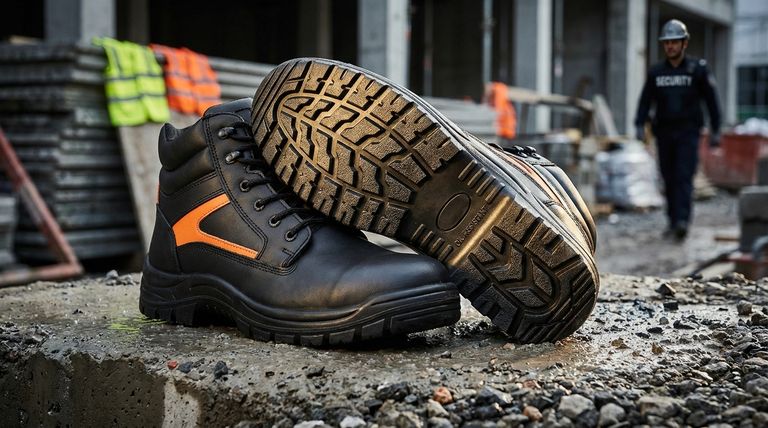
The Foundation: Understanding Sole and Heel Components
Before selecting a material, it's crucial to understand how a boot's base is constructed. Each layer serves a distinct purpose that contributes to your overall safety and comfort.
The Outsole: Your Direct Contact Point
The outsole is the part of the boot that makes contact with the ground. Its primary jobs are to provide traction and durability. The material and tread pattern here determine how well the boot grips various surfaces.
The Midsole: The Hidden Shock Absorber
Located between the outsole and your foot, the midsole provides cushioning and absorbs impact. A quality midsole, often made of materials like EVA, is essential for preventing foot fatigue during long periods of standing or walking.
Puncture Plate: Your Shield from Below
In many safety boots, a puncture-resistant plate is embedded within the sole structure. This feature is critical for guards who work in environments where sharp objects like nails, glass, or metal fragments could be on the ground.
Core Protective Features Demystified
The function of the sole goes far beyond simply walking. For a security professional, it is a piece of personal protective equipment with specific, non-negotiable features.
Slip Resistance is Essential
A slip-resistant sole is the most fundamental safety feature. Look for boots that are rated for performance on wet or oily surfaces, which are common hazards in both indoor and outdoor environments.
Puncture Resistance for Unpredictable Hazards
Working on construction sites, in warehouses, or even in urban patrol environments exposes you to sharp debris. A puncture-resistant sole, indicated by a P in its safety rating (e.g., S1P, S3), protects you from these unseen dangers.
Resistance to Oil and Chemicals
For guards in industrial, manufacturing, or garage settings, oil- and acid-resistant soles are vital. These specialized materials prevent the sole from degrading upon contact with corrosive substances, maintaining its structural integrity and grip.
Decoding Sole Materials: Matching Material to Mission
The material of your boot's outsole dictates its performance. Each has a unique profile of strengths and weaknesses that makes it suitable for different security roles.
Rubber: The All-Around Standard
Rubber is a popular choice for its excellent slip resistance on a wide variety of surfaces. It is flexible, waterproof, and highly durable, making it a reliable option for variable patrol routes.
Polyurethane (PU): The Lightweight Endurance Option
PU soles are known for being very lightweight and wear-resistant. This makes them an excellent choice for guards who cover a lot of ground and want to minimize fatigue without sacrificing durability.
EVA (Ethylene Vinyl Acetate): The Comfort Specialist
EVA is a foam-like material prized for its superior shock absorption. While it is typically used in the midsole for cushioning, some lightweight boots use it in the outsole for maximum comfort during static, standing-intensive posts.
PVC (Polyvinyl Chloride): The Cost-Effective Choice for Static Posts
PVC is a cost-effective and comfortable option. It provides good resistance to water and chemicals, making it suitable for guards who spend long hours standing in a relatively stable, low-intensity environment.
Understanding the Trade-offs
No single boot is perfect for every scenario. Understanding the inherent trade-offs in materials and design is key to making an informed decision.
Durability vs. Weight
Heavier, denser materials like solid rubber offer maximum durability and protection but can contribute to leg fatigue over a 12-hour shift. Lighter materials like PU and EVA significantly improve comfort but may wear out faster under harsh conditions.
Grip vs. Clogging
An aggressive, deep-lugged tread pattern is excellent for grip on loose dirt or gravel outdoors. However, that same pattern can pick up and track mud and debris, making it less ideal for guards who frequently move between outdoor and clean indoor areas.
Waterproofing vs. Breathability
While a fully waterproof boot (rated S2 or S3) is essential for outdoor work in wet climates, it often comes at the cost of breathability. This can lead to sweaty, uncomfortable feet during long patrols in warmer conditions.
Making the Right Choice for Your Environment
Your daily tasks and typical patrol area are the ultimate guide to selecting the right sole and heel configuration.
- If your primary focus is indoor patrols (e.g., malls, hospitals): Prioritize a non-marking, slip-resistant rubber or PU sole with excellent shock absorption for comfort on hard floors.
- If your primary focus is outdoor or industrial sites (e.g., construction, manufacturing): A durable rubber sole with a puncture-resistant plate (S1P or S3 rating) and an aggressive tread is essential.
- If your primary focus is long periods of standing at a static post: Look for boots with a substantial EVA midsole and a comfortable PU or PVC outsole to minimize fatigue.
- If your primary focus is all-weather conditions and varied terrain: A waterproof boot (S3 rating) with a versatile rubber sole offers the best balance of protection and grip.
Ultimately, investing in the correct sole and heel is a direct investment in your safety, endurance, and professional effectiveness on every shift.
Summary Table:
| Key Consideration | Best For | Material Example |
|---|---|---|
| Slip Resistance | Indoor patrols, wet surfaces | Rubber, specialized PU |
| Puncture Protection | Construction sites, warehouses | Boots with embedded plate (S1P/S3 rating) |
| Lightweight Comfort | Long patrols, minimizing fatigue | Polyurethane (PU) |
| Maximum Cushioning | Long periods of standing | EVA Midsole |
| All-Weather Durability | Outdoor, varied terrain | Heavy-duty Rubber |
Equip your team with the right foundation for safety and endurance.
As a large-scale manufacturer, 3515 produces a comprehensive range of safety footwear for distributors, brand owners, and bulk clients. Our production capabilities encompass all types of security and tactical boots, engineered with the precise sole and heel technologies detailed in this guide. We can help you source or customize the perfect boots to meet the specific demands of your security personnel's work environment.
Contact our expert team today to discuss your requirements and get a quote.
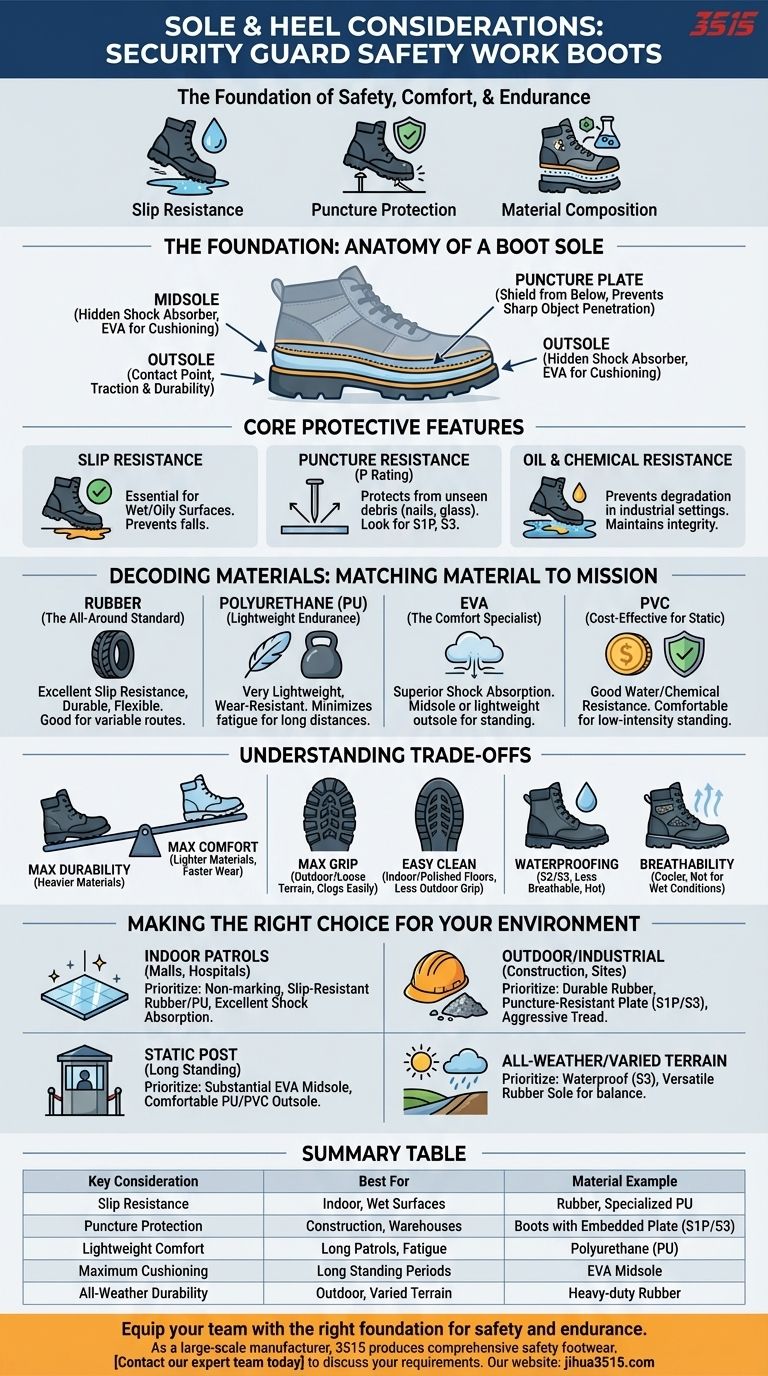
Visual Guide
Related Products
- Premium Suede Metatarsal Guard Safety Boots Work Shoes
- Premium Grain Leather Safety Boots for Bulk Supply
- Wholesale Customizable Safety Boots Durable & Protective Footwear Manufacturing
- Customizable Anti-Smash Safety Boots for Wholesale & Private Label Manufacturing
- Wholesale Durable 6-Inch Work Boots | Custom & Private Label Manufacturer
People Also Ask
- How does metatarsal protection in safety footwear work? The Essential Guide to Foot Safety
- What is a metatarsal guard in safety boots? Essential Protection for Your Entire Foot
- How do metatarsal guards enhance work shoe safety? Prevent Crushing Foot Injuries on the Job
- What does the 'MT' in ASTM F2413-18 stand for? Essential Metatarsal Protection Explained
- What is metatarsal protection in safety boots? Essential Defense for Top-of-Foot Hazards