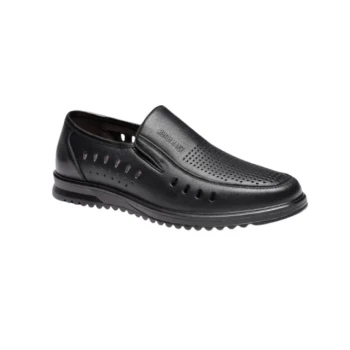
Centralized dry-cleaning systems significantly outperform traditional washing by leveraging industrial scale and advanced recovery technologies to minimize resource usage. Unlike domestic washing, which is water-intensive and chemically inefficient, these centralized facilities utilize solvent recovery and heat exchangers to drastically reduce the energy and water consumed per unit of footwear or apparel.
By consolidating maintenance into large batches and utilizing closed-loop solvent recovery, centralized dry-cleaning achieves a level of chemical and energy efficiency unattainable in domestic settings, serving as a critical enabler for the circular economy.
Mechanisms of Resource Optimization
The Efficiency of Solvent Recovery
Centralized systems operate on a fundamentally different chemical model than traditional washing. They utilize advanced solvent recovery technologies that capture and reuse cleaning agents.
This results in significantly higher chemical efficiency compared to domestic methods, where detergents and water are typically used once and discarded.
Energy Management via Heat Exchangers
A major component of the energy savings stems from the use of efficient heat exchangers.
In a domestic setting, heat is generated for a single cycle and often lost immediately. Centralized systems capture this thermal energy and recycle it within the system, lowering the overall energy demand required to process footwear and apparel.
The Impact of Industrial Scale
The efficiency of these systems is inextricably linked to volume. By processing large batches of shoes and clothing simultaneously, the resource cost per item drops precipitously.
This "per unit" reduction is the key differentiator, making industrial-scale processing far more sustainable than running thousands of individual, small-load domestic cycles.
Environmental Impact and Sustainability
Reducing Water and Wastewater
Traditional washing is inherently water-intensive and generates significant wastewater.
Centralized dry-cleaning minimizes this footprint by reducing water consumption and controlling wastewater discharge. The closed-loop nature of the process ensures that fewer pollutants are released into the environment compared to the aggregate runoff from domestic laundry.
Supporting the Circular Economy
These systems provide the critical process support needed for a viable circular economy model.
To make footwear and apparel reuse sustainable, the maintenance process itself must be low-impact. Centralized dry-cleaning extends the lifespan of products while ensuring the restoration process does not negate the environmental benefits of reuse.
Understanding the Trade-offs
The Necessity of Volume
The resource benefits described are contingent on maintaining large batch sizes.
If a centralized system operates with small or irregular loads, the "per unit" efficiency gains regarding energy and heat exchange diminish. The system requires a steady, high-volume flow of inventory to function at its peak theoretical efficiency.
Making the Right Choice for Your Goal
To determine if a centralized dry-cleaning approach aligns with your operational objectives, consider the following focuses:
- If your primary focus is Environmental Sustainability: Prioritize centralized systems to minimize water usage and wastewater discharge, which directly supports circular economy goals.
- If your primary focus is Operational Cost: Focus on aggregating sufficiently large batches to maximize the efficiency of solvent recovery and heat exchangers, thereby reducing the cost per unit.
Centralized dry-cleaning transforms garment maintenance from a resource-draining chore into a highly efficient, industrial process capable of supporting sustainable scale.
Summary Table:
| Resource Metric | Traditional Washing | Centralized Dry-Cleaning | Efficiency Driver |
|---|---|---|---|
| Water Usage | High (Single-use) | Ultra-Low | Closed-loop systems |
| Energy Demand | High per unit | Optimized | Heat exchangers & recovery |
| Chemical Impact | High (Detergent runoff) | Controlled | 99%+ Solvent recovery |
| Scalability | Limited | High | Large-batch processing |
| Lifecycle Support | Basic cleaning | Circular Economy Enabler | Restoration without degradation |
Partner with 3515 for High-Efficiency Footwear Solutions
As a leading large-scale manufacturer serving global distributors and brand owners, 3515 leverages industrial-grade production and maintenance expertise to deliver superior value. Our comprehensive capabilities span all footwear types—from our flagship Safety Shoes and Tactical Boots to specialized Outdoor, Training, and Dress shoes.
By choosing 3515, you benefit from our commitment to resource efficiency and sustainable bulk manufacturing. Whether you are looking to source durable footwear or optimize your supply chain for the circular economy, our team is ready to support your large-scale requirements with precision and quality.
Ready to elevate your inventory with a sustainable manufacturing partner?
Contact Us Today to Discuss Your Bulk Requirements
References
- Lindsay McCoy, Ting Chi. Collaborative Consumption: A Study of Sustainability Presentation in Fashion Rental Platforms. DOI: 10.3390/su14148537
This article is also based on technical information from 3515 Knowledge Base .
Related Products
- Dial Closure Leather Business Casual Shoes for Wholesale & Private Label
- Wholesale Modern Business Shoes with Dial Closure System for Bulk Orders
- Wholesale Comfort Dress Shoes with Dial Closure for Custom Manufacturing
- Wholesale Modern Comfort Shoes with Dial Closure for Private Label & Bulk Orders
- Lightweight Breathable Sneakers with Wet-Traction Grip for Wholesale & Private Label
People Also Ask
- What are the top three recommended business casual shoes? Build a Polished, Versatile Wardrobe
- Why is choosing the right shoes important for a business casual look? Elevate Your Professional Image
- What materials are commonly used in business casual shoes? A Guide to Leather, Suede & More
- What factors should be considered when choosing business casual shoes? Find the Perfect Balance of Style & Comfort
- Are black or brown shoes better for business casual? Master the Versatile Choice for Your Wardrobe