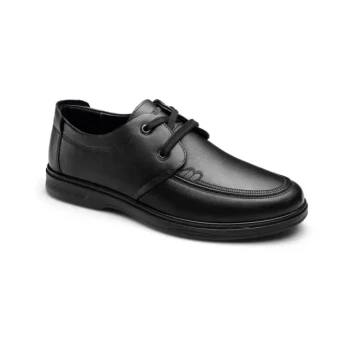
Specialized digital inkjet printing fundamentally streamlines footwear manufacturing by enabling direct-to-material application on leather, synthetics, and textiles. This technology removes the physical constraints of traditional tooling, allowing manufacturers to execute high-precision patterns and complex upper designs with unprecedented speed and flexibility.
By eliminating the reliance on fixed molds and templates, digital inkjet printing shifts footwear production from a rigid, hardware-dependent process to a flexible, design-driven workflow that adapts instantly to market demands.
Removing Traditional Constraints
The End of Molds and Templates
In traditional footwear manufacturing, changing a design often requires creating new physical molds or templates. Specialized digital inkjet equipment eliminates this requirement entirely.
Because the pattern is applied directly from a digital file, you remove the lead times and costs associated with physical tooling.
Unlocking Material Versatility
This technology is not limited to a single substrate. It offers high-precision printing across a wide spectrum of materials used in modern footwear.
Whether your production line utilizes natural leather, synthetic fibers, or various textiles, the process remains consistent and effective.
Accelerating the Development Cycle
Rapid Prototyping
The ability to print directly onto materials enables a seamless transition from digital concept to physical sample.
Design teams can iterate on complex shoe upper designs immediately. This significantly reduces the time gap between a design sketch and a tangible prototype.
Immediate Market Response
Speed is a competitive advantage in the fashion and footwear industry. This technology drastically improves a production line's ability to respond quickly to market trends.
Manufacturers can adjust patterns and colors mid-stream without the downtime required to re-tool traditional machinery.
Enhancing Design Capabilities
Handling Complex Geometry
Footwear designs are increasingly intricate, often featuring complex curves and multi-layered aesthetics.
Digital inkjet printing handles complex shoe upper designs with a level of precision that is difficult to achieve with analog methods.
Precision Application
The equipment provides exact control over ink placement. This ensures that detailed graphics and structural patterns are reproduced faithfully, regardless of the underlying material texture.
Understanding the Trade-offs
Throughput vs. Flexibility
While digital printing offers superior flexibility, it is important to balance this against volume requirements.
Digital processes excel in high-mix, low-to-medium volume scenarios, whereas traditional analog methods may still hold advantages for massive runs of identical products where setup time is negligible compared to run time.
Surface Preparation
Direct printing requires the material surface to be receptive to the ink.
While the machinery handles various materials, ensuring the specific leather or synthetic fiber is compatible with the ink chemistry is vital for durability and colorfastness.
Making the Right Choice for Your Production Line
Adopting digital inkjet technology is a strategic move toward agility. To determine if this fits your operational goals, consider your primary objectives:
- If your primary focus is Speed to Market: Leverage this technology to bypass tooling delays and capitalize on emerging trends instantly.
- If your primary focus is Design Innovation: Use the high-precision capabilities to prototype and produce complex, multi-material upper designs that traditional molds cannot accommodate.
This technology transforms the printer from a mere output device into a critical tool for agile, responsive manufacturing.
Summary Table:
| Advantage Category | Traditional Method | Digital Inkjet Printing |
|---|---|---|
| Tooling Needs | Physical molds & templates | Zero physical tooling (digital files) |
| Design Changeover | Long lead times for re-tooling | Instant design updates |
| Material Versatility | Limited by plate/mold compatibility | High precision on leather, synthetics, & textiles |
| Prototyping Speed | Weeks (due to mold fabrication) | Hours (direct from digital file) |
| Design Complexity | Constrained by hardware limits | High-precision for complex upper geometries |
Revolutionize Your Footwear Production with 3515
As a premier large-scale manufacturer serving global distributors and brand owners, 3515 leverages cutting-edge technology to deliver superior footwear solutions. Our production capabilities span every footwear category—from our flagship Safety Shoes and rugged Tactical Boots to high-performance Sneakers and elegant Dress & Formal shoes.
Partnering with us means gaining access to advanced manufacturing flexibility, ensuring your bulk orders meet the highest standards of precision and market responsiveness. Ready to elevate your product line?
Contact 3515 Today to Discuss Your Bulk Requirements
References
- Marko Špiler, BORIS JEVTIĆ. Investments in digital technology advances in textiles. DOI: 10.35530/it.074.01.202287
This article is also based on technical information from 3515 Knowledge Base .
Related Products
- Lightweight Breathable Sneakers with Wet-Traction Grip for Wholesale & Private Label
- Wholesale Comfortable Business Casual Shoes Custom Manufacturing
- Durable Rubber Sole Outdoor Shoes Wholesale & Custom Manufacturing
- Lightweight Breathable Training Shoes for Wholesale & Custom OEM Manufacturing
- Wholesale Lightweight Tactical Boots Custom Manufacturer for Desert & Combat Use
People Also Ask
- Why are breathable sneakers necessary for tropical commuting? Stay Cool and Dry in High Humidity
- What role do lightweight training shoes play in urban traffic? Boost Agility and Reaction for Safer City Navigation
- How do lightweight shoes provide support? The Science of Efficient Cushioning & Stability
- What are the style advantages of lightweight shoes? Sleek, Versatile & Modern Comfort
- How do lightweight shoes contribute to healthier feet? Reduce Fatigue & Prevent Foot Problems