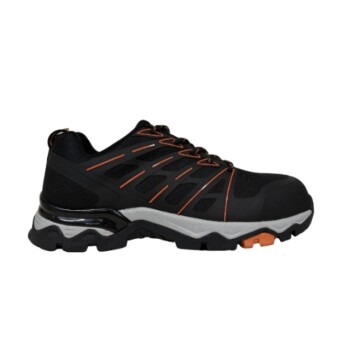
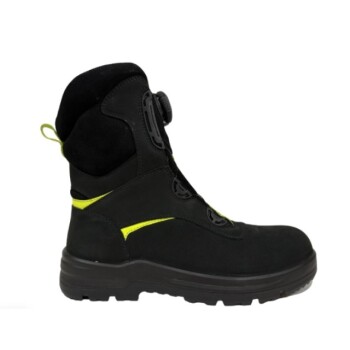
Designing for peripheral neuropathy requires a focus on protective redundancy. Because these users cannot perceive pain, heat, or cold, the footwear must act as a proactive sensory shield. The primary design priorities are advanced puncture resistance, ergonomic interior architecture to prevent friction-induced ulcers, and robust mechanical defense through high-support, steel-toe construction.
Footwear for neuropathy must replace the user’s lost sensory feedback with a highly engineered protective "shell." By prioritizing internal ergonomics and external intrusion prevention, manufacturers can significantly reduce the risk of unnoticed injuries that lead to chronic foot ulcers or deformation.
Engineering for Sensory Deficit
Superior Puncture and Intrusion Resistance
Peripheral neuropathy renders the wearer unable to feel a nail or sharp object penetrating the sole. Therefore, professional-grade footwear must utilize high-tier puncture-resistant midsoles to block foreign object intrusion. This physical barrier is the first line of defense against wounds that the user might otherwise not notice for days.
Ergonomic Interior Architecture
The interior of the boot must be engineered to minimize friction and pressure points. Since users cannot feel the "hot spots" that precede blisters, the footwear requires a seamless, ergonomic lining and precise sizing. This specialized internal environment is critical for preventing pressure sores and subsequent foot ulcers.
Stability and Mechanical Defense
A lace-up, steel-toe design provides the structural integrity necessary to protect against external impact. Robust construction ensures the foot remains stable within the boot, reducing the shifting that causes abrasions. High-support features help maintain proper foot alignment, which is essential for preventing long-term foot deformation.
Enterprise-Level Manufacturing Standards
Massive Scale and Supply Chain Stability
For B2B distributors and brand owners, sourcing these specialized products requires a partner with massive production scale. Since 1951, our heritage in safety footwear has been built on providing consistent, large-volume delivery to global markets. This longevity ensures that technical specifications for neuropathy protection are met across every unit produced.
Precision Engineering with State-of-the-Art Equipment
Manufacturing footwear that balances extreme protection with medical-grade ergonomics requires state-of-the-art equipment. Our facilities utilize advanced machinery to ensure that steel-toe integration and puncture-resistant layers do not compromise the interior volume of the boot. This technical precision is vital for maintaining the strict tolerances required for sensitive feet.
Global Certification and OEM Capabilities
Professional safety footwear must meet rigorous international certifications to be viable for enterprise-level distribution. Our premium OEM/ODM capabilities allow brand owners to customize features—such as specialized insoles or extra-wide toe boxes—while remaining compliant with safety standards. This ensures that the final product is both a medical solution and a certified piece of PPE.
Understanding the Trade-offs
Weight vs. Protection
A significant challenge in designing for neuropathy is the weight of the boot. While heavy steel-toe construction and thick puncture plates offer maximum safety, excessive weight can lead to fatigue or gait changes in users with reduced sensation. Manufacturers must use advanced materials to keep the boot as light as possible without sacrificing the mechanical barrier.
Breathability vs. Environmental Shielding
Users with neuropathy are also susceptible to unnoticed thermal injuries from heat or extreme cold. While insulation and shielding are necessary, the boot must still offer adequate breathability to prevent moisture buildup. Excessive moisture can soften the skin, making it more prone to the very blisters and abrasions the design aims to prevent.
Implementing Neuropathy-Safe Footwear in Your Portfolio
Making the Right Choice for Your Goal
When selecting or developing a line of safety footwear for users with sensory loss, focus on the specific needs of the end-user environment.
- If your primary focus is heavy industrial environments: Prioritize lace-up steel-toe boots with certified puncture-resistant midsoles to maximize the external defense against mechanical hazards.
- If your primary focus is long-shift comfort and ulcer prevention: Invest in superior OEM interior designs that feature seamless linings and advanced ergonomic footbeds to eliminate friction points.
- If your primary focus is B2B supply chain reliability: Partner with an enterprise manufacturer with a proven heritage since 1951 and the capacity to deliver certified, high-volume orders consistently.
By replacing lost sensation with superior engineering, professional safety footwear becomes a life-altering tool for workers managing peripheral neuropathy.
Summary Table:
| Design Priority | Key Engineering Feature | Benefit to End-User & Brand |
|---|---|---|
| Intrusion Defense | High-tier puncture-resistant midsoles | Blocks sharp objects to prevent unnoticed wounds. |
| Internal Ergonomics | Seamless lining & precise sizing | Eliminates friction points and pressure-induced ulcers. |
| Structural Stability | Lace-up, steel-toe construction | Prevents foot deformation and ensures mechanical safety. |
| Manufacturing Scale | State-of-the-art mass production | Guarantees consistent quality and supply chain stability. |
Scale Your Portfolio with 3515’s Certified Manufacturing Excellence
As a premier large-scale manufacturer serving global distributors and brand owners since 1951, 3515 specializes in engineering high-performance footwear that meets the most demanding safety standards. We offer massive production scale and premium OEM/ODM capabilities to help you deliver specialized solutions like neuropathy-safe footwear to your B2B clients.
Why Partner with 3515?
- Comprehensive Footwear Portfolio: From our flagship Safety Shoes and tactical boots to outdoor shoes, training sneakers, and formal dress shoes.
- Industrial Heritage: Leveraging over 70 years of expertise and state-of-the-art equipment to ensure consistent, large-volume delivery.
- Global Compliance: Robust international certifications to support your brand's market expansion.
Ready to enhance your product line with reliable, industrial-grade footwear?
References
- Md Sanaul Haque, Abu Jor. Foot Complications and Footwear Habits: A Study of Diabetes Mellitus Patients in Bangladesh. DOI: 10.3329/jes.v14i1.67637
This article is also based on technical information from 3515 Knowledge Base .
Related Products
- Puncture-Resistant Velcro Safety Boots for Wholesale & Custom Manufacturing
- Wholesale Durable Safety Boots | Custom Steel Toe & Puncture-Resistant Manufacturing
- Athletic Safety Shoes with Dial Closure & Steel Toe for Wholesale & Custom Manufacturing
- Custom Wholesale Leather Safety Boots Direct Factory Manufacturing
- Premium KPU Injection Athletic Style Safety Shoes
People Also Ask
- Why are industrial safety boots with steel toes necessary for machine operators? Essential Foot Protection for Safety
- What are the characteristics of steel toe safety boots? Maximum Protection, Key Trade-offs
- Is it true that steel toes can cause toes to get cut off? Debunking the Dangerous Myth
- What are the primary safety functions of safety boots with steel-toe designs? Essential Protection for Industry
- What are the different types of safety toe boots available? Choose the Right Protection for Your Job