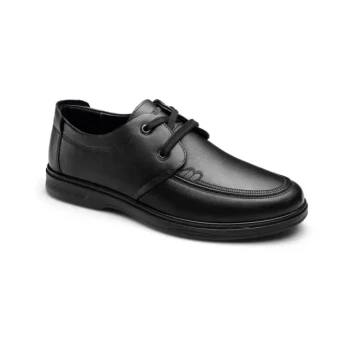
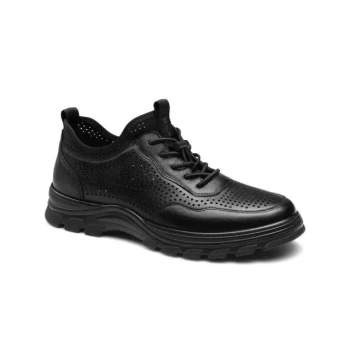
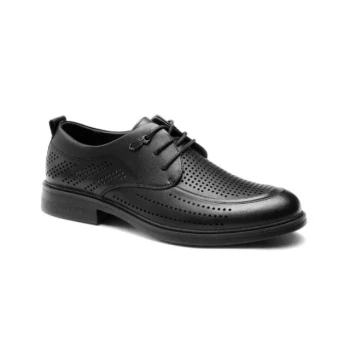
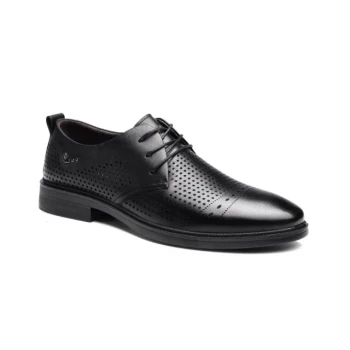
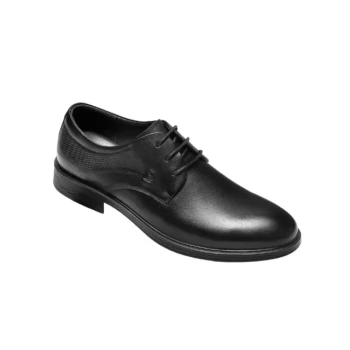
In footwear manufacturing, the most common leathers are derived from cowhide, including versatile side leather and premium calfskin. Other frequently used types are kidskin for its softness, pigskin for linings, and processed leathers like suede, nubuck, and patent leather, each chosen for a unique combination of texture, durability, and finish.
The specific type of leather used in a shoe is not an arbitrary choice; it is a deliberate engineering decision that balances durability, breathability, aesthetic appeal, and cost to meet the demands of the footwear's intended purpose.
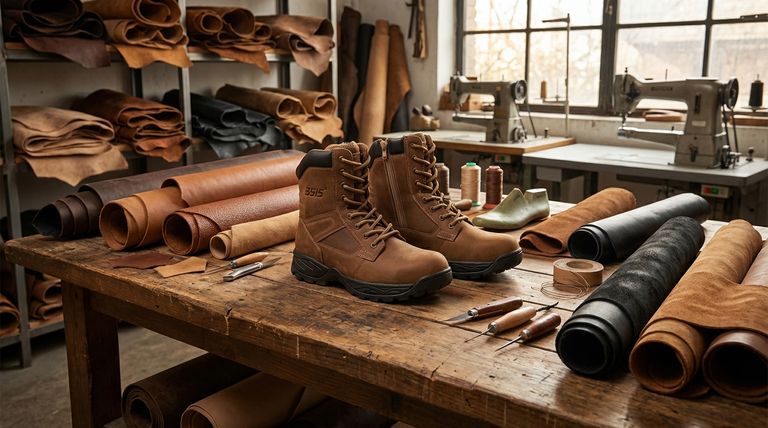
The Enduring Role of Leather in Footwear
Leather has been the primary material for shoemaking for centuries for a few key reasons. Its natural fibrous structure provides a unique combination of strength and flexibility.
Unmatched Durability
High-quality leather is exceptionally tough and resistant to tearing, abrasion, and punctures. This makes it ideal for footwear that must endure daily wear and varying conditions.
Superior Breathability
As a natural material, leather allows air and moisture to pass through. This breathability helps regulate foot temperature and reduces sweat buildup, enhancing comfort significantly compared to many synthetic alternatives.
The Ability to Mold
Over time, leather footwear will conform to the specific shape of the wearer's foot. This creates a personalized, comfortable fit that is difficult to replicate with other materials.
A Breakdown of Common Footwear Leathers
While most shoe leather is from cattle, the specific part of the hide and the tanning and finishing processes create distinct types with different applications.
Side Leather & Calfskin (The Workhorses)
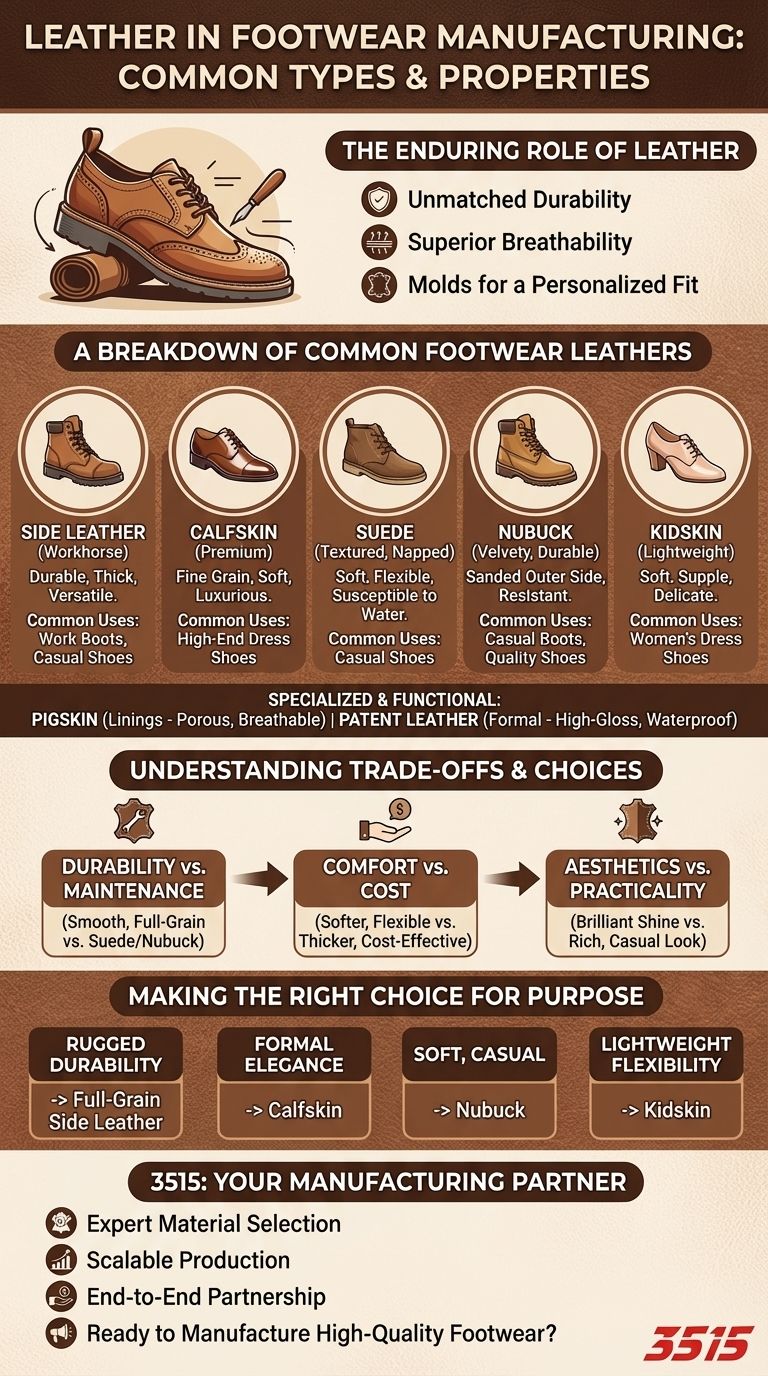
Side leather is the most common and versatile type, cut from the side of a full cowhide. It is thick and durable, making it the standard for everything from work boots to casual shoes. It can be embossed with patterns or oil-impregnated for water resistance.
Calfskin is harvested from young cattle and is prized for its extremely fine grain, softness, and durability. Its luxurious feel and polished appearance make it a top choice for high-end dress shoes and formal footwear.
Suede & Nubuck (The Textured Leathers)
Suede is made from the underside of the animal skin, which is sanded and buffed to create a soft, napped finish. It is flexible and comfortable but more susceptible to water damage and staining.
Nubuck is created by sanding the outer side of the hide. This process gives it a similar soft, velvety feel to suede but with greater durability and resistance to wear, making it common in high-quality casual boots and shoes.
Specialized & Functional Leathers
Kidskin, made from goat leather, is exceptionally lightweight, soft, and supple. It is often used for women's dress shoes and gloves where a delicate feel is desired.
Pigskin is a durable and porous leather. While it can be used for uppers, its breathability makes it a very common choice for shoe linings.
Patent leather is a type of leather coated with a high-gloss finish, typically polyurethane. This creates a waterproof, mirror-like surface perfect for formal wear and tuxedo shoes.
Exotic Leathers
Though less common, leathers from animals like alligators, snakes, and ostriches are used in luxury footwear. They are valued for their unique, distinctive patterns and textures.
Understanding the Inherent Trade-offs
Choosing a leather type always involves balancing competing priorities. Understanding these compromises is key to appreciating why certain leathers are used for specific shoes.
Durability vs. Maintenance
Smooth, full-grain leathers are incredibly durable but require regular cleaning and conditioning to prevent drying and cracking. Suede and nubuck offer a soft aesthetic but demand more careful maintenance to protect against stains and water.
Comfort vs. Cost
Softer, more flexible leathers like calfskin and kidskin provide exceptional comfort right out of the box but come at a significantly higher price point. Thicker side leathers may require a break-in period but are more cost-effective.
Aesthetics vs. Practicality
Patent leather offers a brilliant, formal shine but the coating can crack with excessive flexing and is difficult to repair. Suede provides a rich, casual look but is impractical for wet or muddy environments.
Making the Right Choice for Your Purpose
Your selection should be guided by the primary function of the footwear.
- If your primary focus is rugged durability and longevity: Look for footwear made from full-grain side leather, especially if it's oil-tanned or waxed.
- If your primary focus is formal elegance and premium comfort: Calfskin is the definitive choice for high-quality dress shoes.
- If your primary focus is a soft, casual aesthetic: Nubuck offers a great balance of velvety texture and reasonable durability for daily wear.
- If your primary focus is lightweight flexibility: Kidskin is an excellent option for delicate, comfortable dress shoes.
Ultimately, understanding the properties of each leather type empowers you to select footwear that performs exactly as you need it to.
Summary Table:
| Leather Type | Key Characteristics | Common Uses |
|---|---|---|
| Side Leather | Durable, versatile, thick | Work boots, casual shoes |
| Calfskin | Fine grain, soft, luxurious | High-end dress shoes |
| Suede | Soft, napped finish, flexible | Casual shoes, fashion boots |
| Nubuck | Velvety feel, durable | Quality casual boots & shoes |
| Kidskin | Lightweight, supple | Women's dress shoes, gloves |
| Pigskin | Porous, breathable | Shoe linings |
| Patent Leather | High-gloss, waterproof | Formal wear, tuxedo shoes |
Ready to Manufacture High-Quality Footwear?
As a large-scale manufacturer, 3515 produces a comprehensive range of leather footwear for distributors, brand owners, and bulk clients. Our production capabilities encompass all types of shoes and boots, from durable work boots in side leather to elegant dress shoes in premium calfskin.
We provide:
- Expert Material Selection: Leverage our expertise to choose the perfect leather for your product's durability, comfort, and aesthetic needs.
- Scalable Production: From small batches to large-volume orders, we deliver consistent quality and on-time delivery.
- End-to-End Partnership: We work with you from material sourcing to final product, ensuring your vision becomes a reality.
Let's discuss your next footwear project. Contact our team today for a consultation!
Visual Guide
Related Products
- Wholesale Comfort Leather Business Shoes with Dial Lacing System
- Wholesale Classic Leather Lace-Up Ankle Boots for Brand Manufacturing
- Durable Leather Work Boots Wholesale Manufacturer & Custom Factory
- Wholesale Leather Apron Toe Derby Shoes Custom Factory Production
- Durable Leather Work Boots for Wholesale & Custom Manufacturing
People Also Ask
- What kind of shoes do businessmen wear? Master the Dress Code for Professional Success
- What are the essential business shoes every man should own? Build a Professional Wardrobe Foundation
- What type of boots are suitable for challenging weather conditions in a business setting? | Durable & Professional Footwear
- How does leather compare to other shoe materials in terms of durability and comfort? A Material Guide for Footwear
- What are the options for waterproofing leather shoes? Protect Your Footwear for the Long Haul