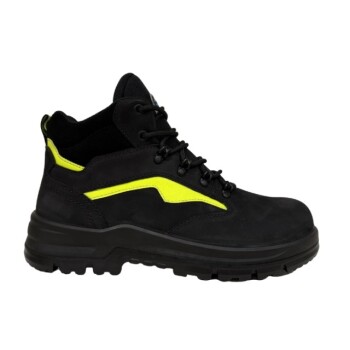
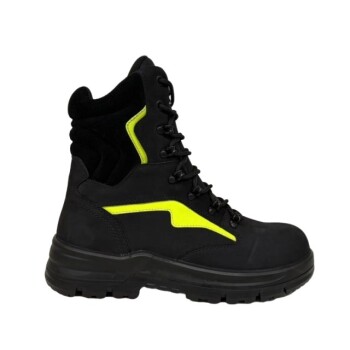
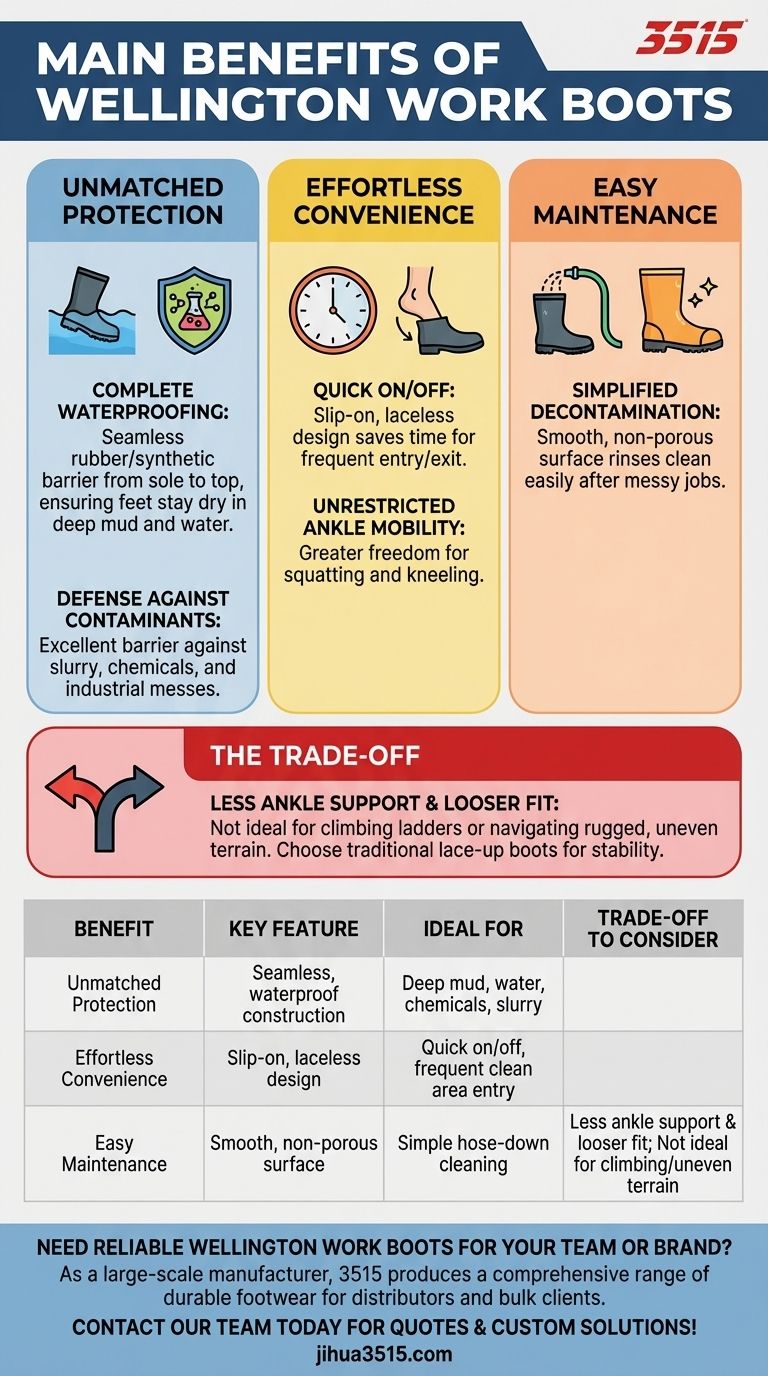
The primary benefits of Wellington work boots are their complete waterproofing, effortless slip-on design, and exceptional ease of cleaning. Their seamless construction and tall shaft provide an impenetrable barrier against mud, water, and various job site contaminants, making them an essential tool for wet and messy environments.
The core decision to choose a Wellington work boot is a trade-off: you gain unmatched protection from saturation and the convenience of a slip-on design, but you sacrifice the tight fit and ankle support inherent in traditional lace-up boots.
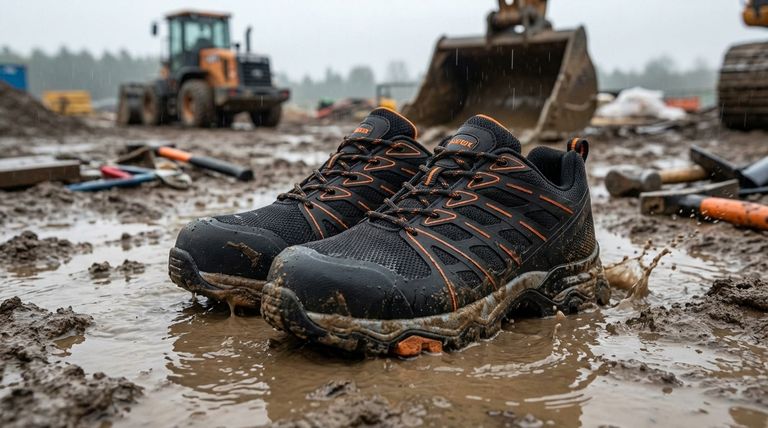
Unmatched Environmental Protection
The fundamental design of a Wellington boot is centered on creating a barrier between your feet and the elements. This goes beyond simply keeping water out; it's about comprehensive defense in demanding conditions.
Complete Waterproofing
Unlike many boots that rely on treated leather or liners, Wellingtons are typically made from high-quality rubber or synthetic materials. This creates a seamless, non-porous shell from the sole to the top of the collar, ensuring your feet remain completely dry even when submerged.
Defense Against Contaminants
This seamless construction is invaluable for workers dealing with more than just water. The boots provide excellent protection against mud, slurry, chemicals, and other industrial or agricultural contaminants that could otherwise soak through leather or fabric.
Simplified Decontamination
The smooth, non-porous surface of a Wellington boot is incredibly easy to maintain. After a day in messy conditions, they can be simply hosed or rinsed off, a significant advantage over leather boots that require careful cleaning and conditioning.
The Advantage of Speed and Simplicity
The laceless design of a Wellington is not just a stylistic choice; it offers distinct functional benefits for speed and mobility.
Effortless On and Off
The most obvious feature is the slip-on, slip-off style. For workers who frequently need to enter and exit clean environments or simply need to get their gear on quickly at the start of a shift, the absence of laces is a major time-saver.
Unrestricted Ankle Mobility
While traditional boots secure the ankle, Wellingtons offer greater freedom of movement. This allows for more flexibility when squatting, kneeling, or performing tasks that require a full range of ankle motion.
Understanding the Trade-offs
To make an informed decision, it's critical to understand what Wellington boots are not designed for. Their strengths in some areas create limitations in others.
The Ankle Support Compromise
The slip-on design inherently provides less ankle support than a tightly laced boot. This makes them less suitable for walking on uneven, rocky terrain where the risk of twisting an ankle is high.
A Less Secure Fit
Because they lack laces, Wellingtons cannot be adjusted for a custom, secure fit. This can lead to your foot shifting inside the boot during long walks, potentially causing discomfort or friction.
Limited Use for Climbing
The looser fit and lack of reinforced arches for ladder support make Wellingtons a poor choice for jobs that involve frequent climbing or work on ladders. A traditional work boot provides a much safer and more stable platform for these tasks.
Making the Right Choice for Your Work
Selecting the correct boot is about aligning its design with the primary demands of your job.
- If your primary focus is working in deep mud, water, or with chemicals: The seamless, high-shaft protection of a Wellington is superior.
- If your primary focus is speed and convenience for frequent on/off: The laceless, slip-on design of a Wellington is unmatched.
- If your primary focus is ankle stability for climbing or navigating uneven terrain: A traditional lace-up work boot is the safer and more appropriate choice.
Ultimately, choosing the right boot means matching its core design strengths to the specific hazards and tasks of your environment.
Summary Table:
| Benefit | Key Feature | Ideal For |
|---|---|---|
| Unmatched Protection | Seamless, waterproof rubber/synthetic construction | Deep mud, water, chemicals, slurry |
| Effortless Convenience | Slip-on, laceless design | Quick on/off, frequent clean area entry |
| Easy Maintenance | Smooth, non-porous surface | Simple hose-down cleaning after messy jobs |
| Trade-off to Consider | Less ankle support & a looser fit | Not ideal for climbing or rugged, uneven terrain |
Need reliable Wellington work boots for your team or brand?
As a large-scale manufacturer, 3515 produces a comprehensive range of durable footwear for distributors, brand owners, and bulk clients. Our production capabilities encompass all types of industrial boots, including high-quality Wellingtons designed for superior protection and comfort.
Let us provide the durable, task-specific footwear your business needs. Contact our team today for quotes and custom solutions!
Visual Guide
Related Products
- Durable Waterproof Rain Boots | Custom Manufacturer for Wholesale & Brands
- Durable Leather Work Boots for Wholesale & Custom Manufacturing
- Durable Goodyear Welt Leather Work Boots for Wholesale & Private Label
- Durable Leather Work Boots Wholesale Manufacturer & Custom Factory
- Durable Leather Work Boots for Wholesale & Custom OEM Manufacturing
People Also Ask
- What are the main materials for waterproof rain boots? Choose the Right Material for Durability & Comfort
- What is the overall recommendation for choosing rain boot materials? A Guide to Rubber vs. PVC
- How does boot height affect waterproofing? Choose the Right Height for Ultimate Protection
- Why are rain boots more flexible and comfortable than snow boots? The Key Differences Explained
- What are the best types of shoes for different gardening conditions? Find Your Perfect Match.