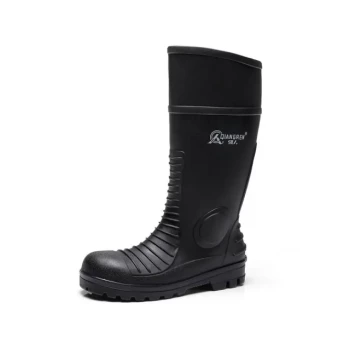
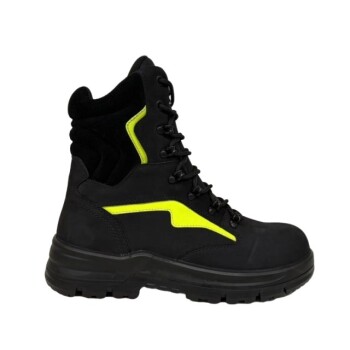
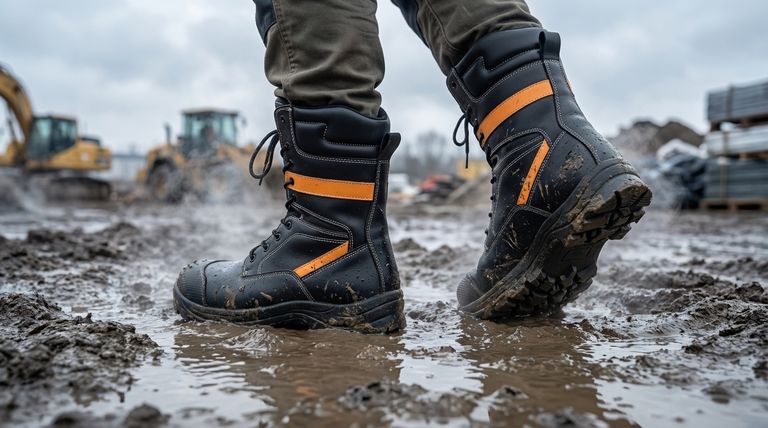
At their core, neoprene work boots offer a unique combination of complete waterproofing, significant thermal insulation, and exceptional flexibility. This makes them a superior choice for professionals who require comfort and protection in cold, wet, or muddy environments where mobility is essential.
The fundamental advantage of neoprene is not just protection, but flexible protection. Unlike traditional rigid boots that prioritize toughness, neoprene excels by providing a comfortable, waterproof, and insulated barrier that moves with you.
The Defining Characteristics of Neoprene
To understand if neoprene is the right choice, we must first examine its inherent material properties. These characteristics are what set it apart from traditional materials like leather.
Unmatched Flexibility and Mobility
Neoprene is a synthetic rubber, giving it a natural elasticity that rigid materials lack. This results in boots that do not require a "break-in" period.
This flexibility allows for greater mobility and less foot fatigue over a long workday, as the boot bends easily with your natural movements.
Absolute Waterproofing
Unlike water-resistant leathers that can eventually saturate, neoprene is inherently waterproof. Its closed-cell structure creates an impermeable barrier against moisture.
This guarantees your feet will remain dry, which is critical for preventing blisters, fungal infections, and the discomfort associated with damp conditions.
Superior Insulation for Cold Environments
The same structure that makes neoprene waterproof also makes it an excellent insulator. Tiny gas pockets trapped within the material significantly slow the transfer of heat.
This self-insulating property keeps your feet warm in cold water or frigid air, protecting against numbness and more severe cold-weather risks like frostbite.
Immediate Comfort and Shock Absorption
Neoprene boots are known for their out-of-the-box comfort. The material is naturally cushioning and conforms to the shape of your foot and calf.
This provides a snug, supportive fit and effective shock absorption, reducing the impact on your joints during long hours of standing or walking on hard surfaces.
Neoprene vs. Traditional Leather
The choice often comes down to a direct comparison with the industry standard: leather work boots. Each has a distinct purpose.
The Trade-off Between Flexibility and Durability
Leather is prized for its exceptional durability and abrasion resistance. Once broken in, it molds to the foot for a custom fit and offers robust protection against scrapes and cuts.
Neoprene, while durable, prioritizes flexibility. It is the better choice for environments requiring agility and constant movement, whereas heavy-duty leather is superior for harsh, abrasive job sites like construction or logging.
Waterproofing vs. Water Resistance
Most high-quality leather boots are treated to be water-resistant, meaning they can repel water for a period of time. However, with prolonged exposure, they can become saturated.
Neoprene boots are fully waterproof. They are designed for submersion and constant exposure to wetness, making them the definitive choice for farming, fishing, or plumbing work in flooded areas.
Understanding the Trade-offs
No material is perfect for every situation. Objectivity requires acknowledging where neoprene falls short.
Overheating in Warm Conditions
The excellent insulation that makes neoprene ideal for the cold becomes a liability in hot weather. The material traps heat and is not breathable, which can lead to excessive sweating and discomfort in warm climates.
Puncture and Abrasion Resistance
While tough, the flexible nature of neoprene can make it more susceptible to punctures from sharp objects like nails or jagged rocks compared to a thick, full-grain leather boot with a reinforced sole.
The Role of Boot Construction
It is critical to distinguish between the material (neoprene) and the boot's overall construction. Safety features like a steel toe, a puncture-resistant midsole, or an electrical hazard rating are added components.
Always verify that a neoprene boot includes the specific safety features your job requires, as these are not inherent properties of the material itself.
Making the Right Choice for Your Work Environment
Your decision should be guided entirely by the primary demands of your job.
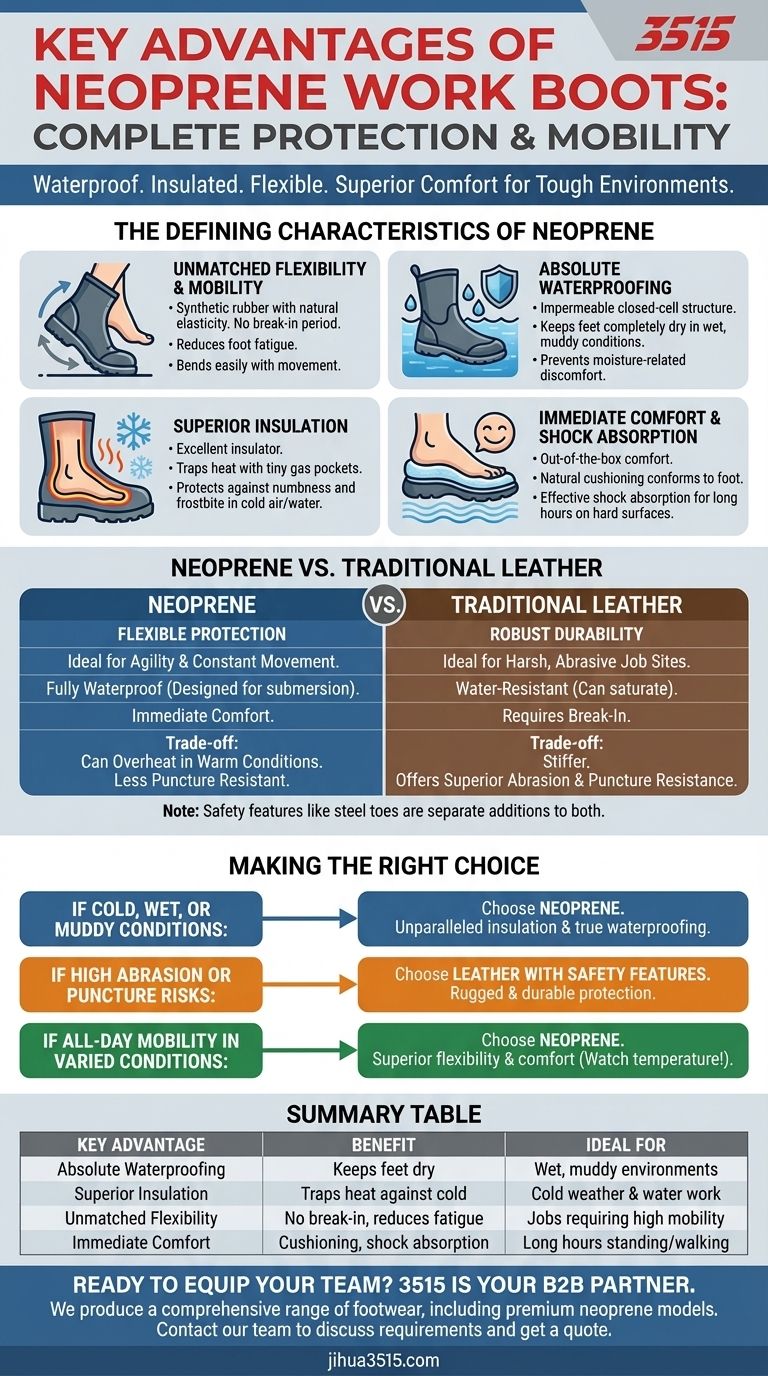
- If your primary focus is working in cold, wet, or muddy conditions: Neoprene is the ideal choice for its unparalleled combination of insulation and true waterproofing.
- If your primary focus is heavy industry with high abrasion or puncture risks: A traditional leather boot with reinforced safety features offers more rugged and durable protection.
- If your primary focus is all-day mobility and comfort in varied, but not extreme, conditions: Neoprene provides superior flexibility and out-of-the-box comfort, but be mindful of the ambient temperature.
Ultimately, choosing the right boot means matching the material's core strengths to the specific challenges you face every day.
Summary Table:
| Key Advantage | Benefit | Ideal For |
|---|---|---|
| Absolute Waterproofing | Impermeable barrier keeps feet dry | Wet, muddy environments |
| Superior Insulation | Traps heat to protect against the cold | Cold weather and water work |
| Unmatched Flexibility | No break-in period, reduces fatigue | Jobs requiring high mobility |
| Immediate Comfort | Cushioning and shock absorption | Long hours of standing/walking |
Ready to equip your team with the right protection?
As a large-scale manufacturer, 3515 produces a comprehensive range of footwear for distributors, brand owners, and bulk clients. Our production capabilities encompass all types of safety and work boots, including premium neoprene models designed for durability and comfort in the toughest conditions.
We can help you source the perfect footwear solution for your customers' specific needs. Contact our team today to discuss your requirements and get a quote.
Visual Guide
Related Products
- Durable Leather Work Boots for Wholesale & Custom OEM Manufacturing
- Durable Leather Work Boots for Wholesale & Custom Manufacturing
- Durable Leather Moc Toe Work Boots for Wholesale & Custom Manufacturing
- Durable Leather Work Boots Wholesale Manufacturer & Custom Factory
- Wholesale Leather Work Boots with Customizable Wedge Sole for Brands
People Also Ask
- What is the difference between full-grain and top-grain leather? Premium Material Guide for Boot Manufacturers
- Why perform macrofoam swab sampling on work boots? Ensure Site Safety & Prevent Hazardous Cross-Contamination
- What features distinguish work boots from other types of cowboy boots? A Guide to Safety vs. Riding Performance
- What are the key benefits of high-quality work boots? Unlock Safety, Comfort & Long-Term Value
- What should you do when your work boots no longer serve their purpose? Don't Gamble with Your Safety