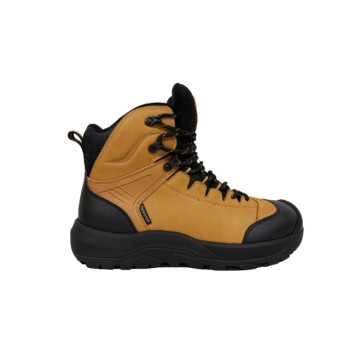
In short, winter boot heights are categorized by their function: ankle-height boots prioritize mobility for light snow and daily wear, while mid-calf and taller boots offer maximum protection for deep snow and demanding outdoor activities. The specific height you need is directly tied to the conditions you expect to face.
Choosing the right winter boot height is a direct trade-off between mobility and protection. The deeper the snow and more rugged the terrain, the taller the boot shaft you will need to ensure warmth, stability, and dryness.
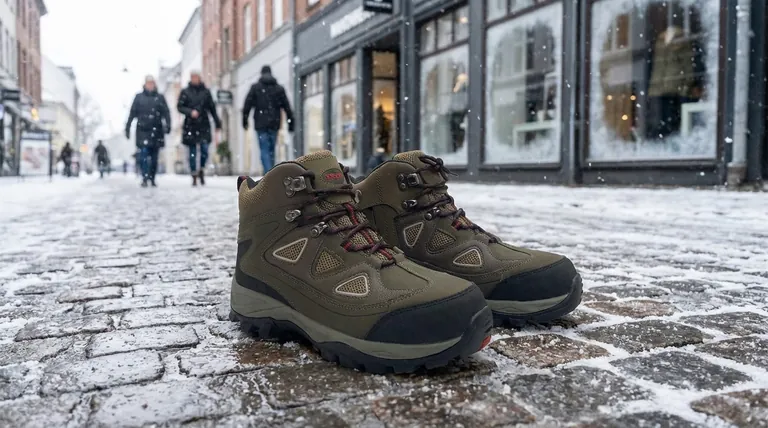
The Spectrum of Boot Heights
Understanding boot height isn't about arbitrary measurements; it's about defining the boot's intended environment. Each level of coverage serves a distinct purpose.
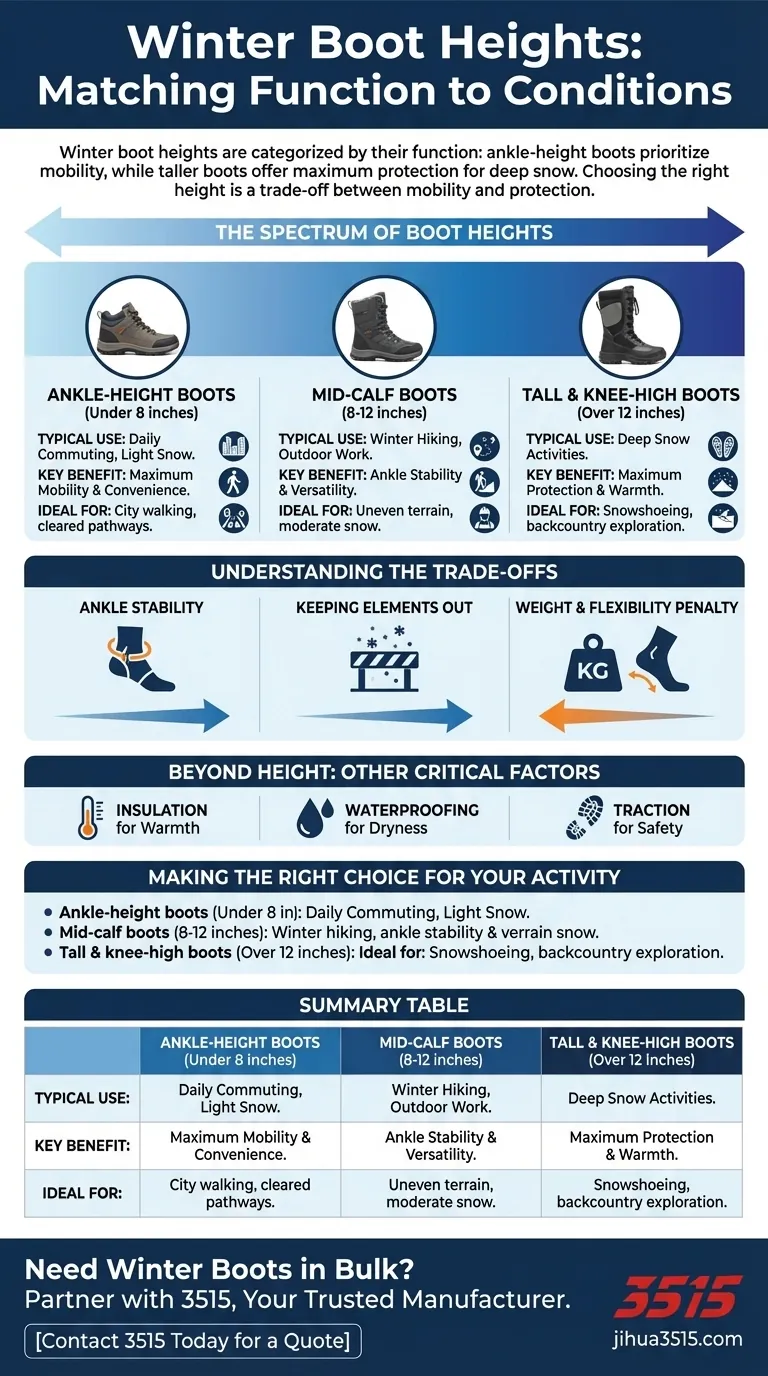
Ankle-Height Boots (Typically under 8 inches)
These boots are the standard for casual winter wear and commuting. Their lower cut offers excellent flexibility and makes them easy to put on and take off.
They are ideal for navigating city streets with light snowfall or cleared pathways, but they offer minimal protection against deep snowdrifts.
Mid-Calf Boots (Typically 8-12 inches)
This height represents the versatile all-rounder for active winter use. The common 8-inch height, often seen in work or military boots, is designed to provide significant ankle stability.
This added support is critical for winter hiking, working outdoors, or walking on uneven, icy surfaces. These boots are tall enough to keep moderate snow out while still allowing for reasonable mobility.
Tall & Knee-High Boots (Over 12 inches)
These are specialized boots built for the most severe winter conditions. Their primary function is to provide an impassable barrier against deep snow.
This makes them essential for activities like snowshoeing, backcountry exploration, or playing in deep powder. The extended coverage also provides a significant advantage in retaining warmth.
Understanding the Trade-offs
Selecting a boot height is an exercise in balancing competing needs. What you gain in one area, you often sacrifice in another.
The Role of Ankle Stability
A taller boot shaft provides a more rigid structure around the ankle. This support is crucial for preventing twists and sprains when navigating hidden ice patches or uneven ground concealed by snow.
Keeping the Elements Out
The most straightforward benefit of a taller boot is its ability to physically block snow from entering from the top. For deep snow, this is the single most important factor for staying dry and warm.
The Weight and Flexibility Penalty
With increased height and material comes added weight and reduced flexibility. A tall, backcountry-focused boot is often cumbersome and unnecessary for simple city commuting, where a lighter, more mobile ankle boot excels.
Beyond Height: Other Critical Factors
While height is a key structural choice, it is only one part of an effective winter boot system. A tall boot is useless if it fails in other critical areas.
Insulation for Warmth
A boot's height contributes to warmth by increasing coverage, but the actual thermal performance comes from its insulation material.
Waterproofing for Dryness
Regardless of height, a winter boot must have a waterproof membrane or construction to protect your feet from slush, meltwater, and moisture.
Traction for Safety
Proper outsole design is non-negotiable. Deep lugs or specialized rubber compounds like Vibram are essential for providing a secure grip on icy and snowy surfaces, preventing dangerous slips.
Making the Right Choice for Your Activity
Match your boot to your primary use case to get the performance you need without being weighed down by features you don't.
- If your primary focus is daily commuting and city walking: Ankle-height boots offer the best balance of convenience, style, and moderate protection.
- If your primary focus is winter hiking or working outdoors: A mid-calf boot (around 8 inches) provides crucial ankle support and reliable protection from moderate snow.
- If your primary focus is deep snow activities like snowshoeing or backcountry travel: Tall or knee-high boots are essential for maximum warmth and to prevent snow from getting inside.
By matching the boot's height to your specific winter environment, you ensure optimal comfort, safety, and performance.
Summary Table:
| Boot Height | Typical Use | Key Benefit | Ideal For |
|---|---|---|---|
| Ankle-Height (Under 8") | Daily Commuting, Light Snow | Maximum Mobility & Convenience | City walking, cleared pathways |
| Mid-Calf (8-12") | Winter Hiking, Outdoor Work | Ankle Stability & Versatility | Uneven terrain, moderate snow |
| Tall/Knee-High (Over 12") | Deep Snow Activities | Maximum Protection & Warmth | Snowshoeing, backcountry exploration |
Need Winter Boots in Bulk? Partner with 3515, Your Trusted Manufacturer.
As a large-scale manufacturer, 3515 produces a comprehensive range of footwear for distributors, brand owners, and bulk clients. Our production capabilities encompass all types of winter boots—from sleek ankle-height designs for urban markets to rugged, insulated knee-high boots for demanding outdoor use. We ensure every pair meets high standards for durability, waterproofing, and traction.
Let's discuss your specific needs and get a custom quote for your next order.
Contact 3515 Today for a Quote
Visual Guide
Related Products
- Premium Insulated Safety Boots and Shoes for Wholesale & Bulk Orders
- Factory Direct Wholesale Rain Boots Durable Waterproof & Fully Customizable
- Durable Waterproof Rain Boots | Custom Manufacturer for Wholesale & Brands
- Wholesale Waterproof Tactical Boots Custom Suede & High-Traction Soles
- High Performance Fire-Retardant Waterproof Safety Boots
People Also Ask
- What are the recommended insulation ratings for mild winter conditions? A Guide for Active & Stationary Workers
- How does insulation thickness correlate with temperature ranges? A Guide to Choosing the Right Warmth
- What insulation level is needed for severe cold and stationary work? 1200g or Higher is Essential
- What safety advantages do insulated boots offer beyond warmth? Dielectric Protection & Superior Grip
- How does fleece lining contribute to the warmth of insulated boots? Trapping Air for Superior Cold Protection