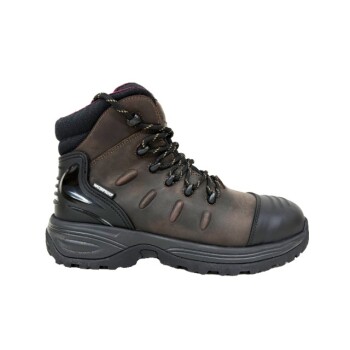
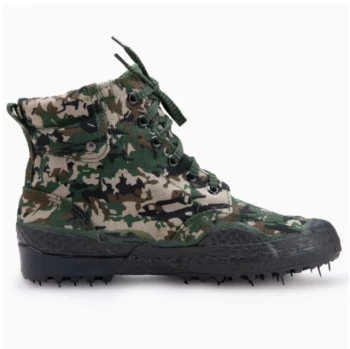
At its core, the benefit of waterproof walking footwear is creating an impassable barrier between your feet and the elements. This technology is engineered to keep your feet completely dry and comfortable when navigating wet grass, muddy trails, puddles, or unexpected rain, providing essential protection against moisture.
The true value of waterproof footwear extends beyond simply avoiding wet socks. It's a critical system for maintaining warmth, comfort, and foot health in cold or damp environments, but this protection comes with a significant trade-off in breathability.
The Core Function: A Barrier Against Moisture
The primary purpose of waterproof footwear is to ensure your feet remain dry, which is the foundation of comfort and safety on any trail.
How Waterproof Membranes Work
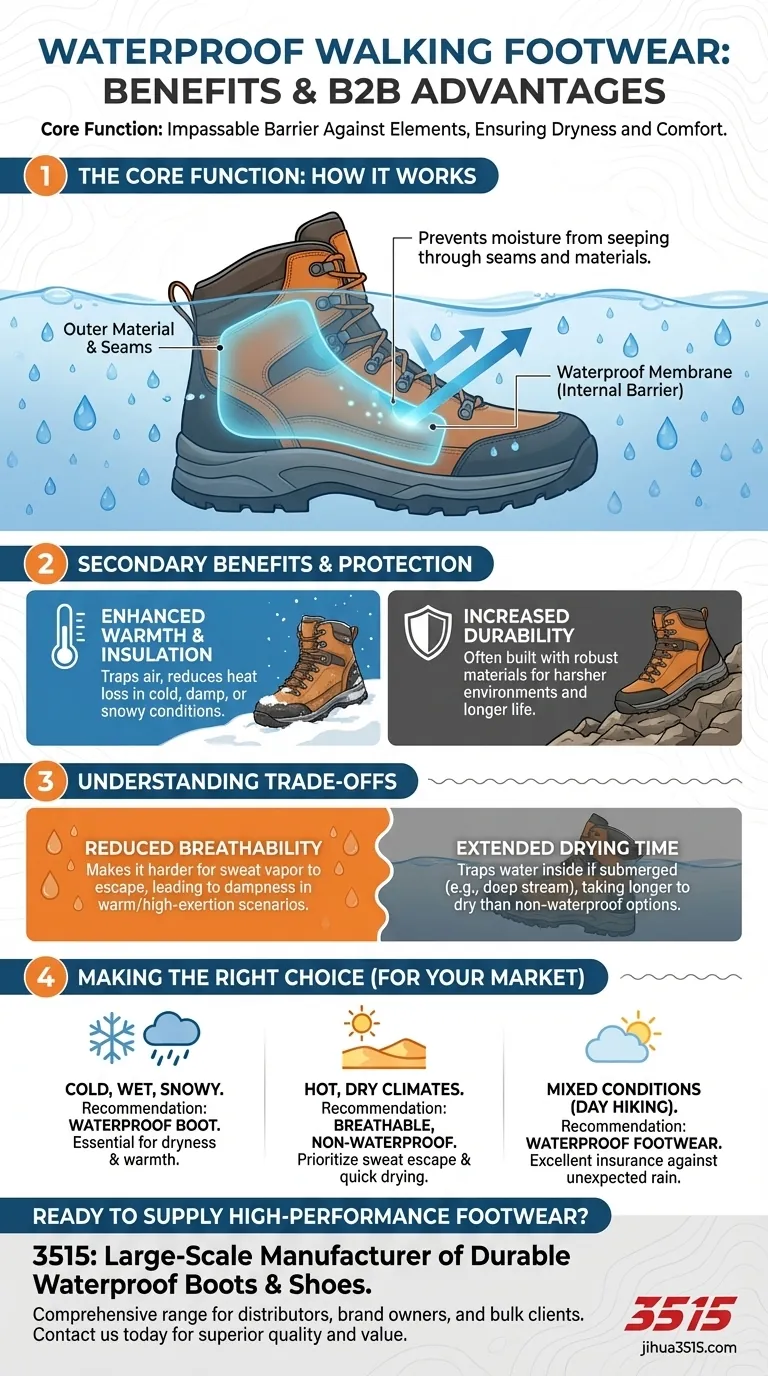
Most modern waterproof boots and shoes use an internal waterproof membrane. Think of this as a specialized sock or bootie built between the outer material and the inner lining of the footwear.
This membrane is a barrier that prevents external water from seeping through the shoe's seams, stitching holes, or porous upper materials, which would otherwise let moisture in as the shoe flexes.
Protection in Demanding Conditions
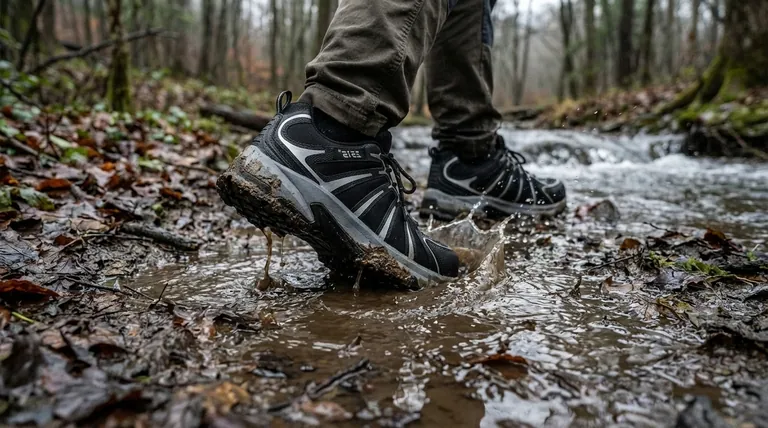
This barrier is essential in a wide range of environments. It provides reliable protection when you are crossing shallow streams, trekking through morning dew on tall grass, or navigating muddy, saturated paths.
It is equally effective at defending against persistent rain and melting snow, ensuring that external moisture does not compromise your comfort.
Beyond Dryness: Secondary Benefits
Keeping water out delivers additional advantages, particularly when conditions become more challenging.
Enhanced Warmth and Insulation
The same membrane that blocks water also traps air and reduces evaporative cooling. This provides a noticeable degree of insulation, keeping your feet warmer in cold, damp, or snowy weather.
Increased Durability
Footwear engineered to be waterproof is often built for harsher conditions. This frequently results in the use of more robust materials and construction techniques, leading to a more durable boot or shoe that can withstand significant wear and tear.
Understanding the Trade-offs
No technology is perfect, and waterproofing is a prime example. Understanding its limitations is key to choosing the right tool for the job.
The Breathability Compromise
The single biggest drawback of a waterproof membrane is reduced breathability. While it keeps water out, it also makes it much harder for your sweat vapor to escape.
In warm or high-exertion scenarios, your feet can become damp from your own sweat, defeating the purpose of staying dry.
Extended Drying Time
If water does get inside the footwear—for example, by going over the top of the boot in a deep stream—the waterproof membrane works against you. It traps the water inside, dramatically increasing the time it takes for the shoe to dry out compared to a non-waterproof, more breathable option.
Making the Right Choice for Your Activity
Selecting the correct footwear requires matching its capabilities to your intended environment and activity level.
- If your primary focus is hiking in cold, wet, or snowy conditions: A waterproof boot is essential for providing the dryness, warmth, and protection you need.
- If your primary focus is walking in hot, dry climates: Prioritize highly breathable, non-waterproof shoes that allow sweat to escape and will dry quickly if they get wet.
- If your primary focus is day hiking in mixed conditions: Waterproof footwear offers excellent insurance against unexpected rain showers and muddy trails, ensuring your comfort.
Ultimately, choosing your footwear is about correctly matching the technology to the environment you plan to explore.
Summary Table:
| Benefit | Key Takeaway |
|---|---|
| Moisture Protection | Creates a barrier to keep feet dry in wet conditions like rain, mud, and streams. |
| Enhanced Warmth | Traps air to provide insulation in cold, damp, or snowy environments. |
| Increased Durability | Often built with robust materials for longer-lasting performance. |
| Primary Trade-off | Reduced breathability can lead to sweat buildup in warm weather. |
Ready to supply your customers with high-performance waterproof footwear?
As a large-scale manufacturer, 3515 produces a comprehensive range of durable and reliable waterproof boots and shoes for distributors, brand owners, and bulk clients. Our production capabilities encompass all types of outdoor and work footwear designed to meet the demands of any environment.
Contact us today to discuss your manufacturing needs and how we can help you deliver superior quality and value to your market.
Visual Guide
Related Products
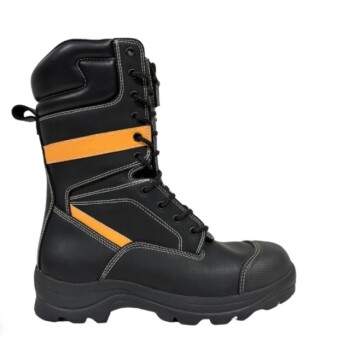
- Premium Flame-Retardant Waterproof Safety Boots and Shoes
- High Performance Fire-Retardant Waterproof Safety Boots
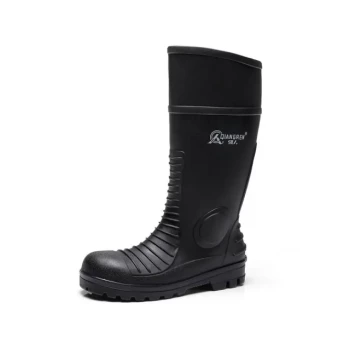
- Durable Waterproof Rain Boots | Custom Manufacturer for Wholesale & Brands
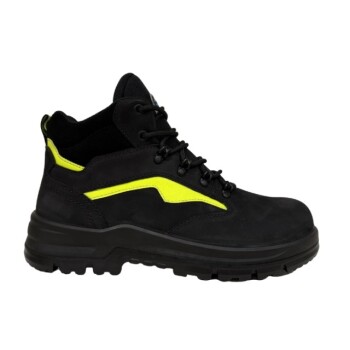
- Wholesale Premium Waterproof Nubuck Safety Shoes Boots
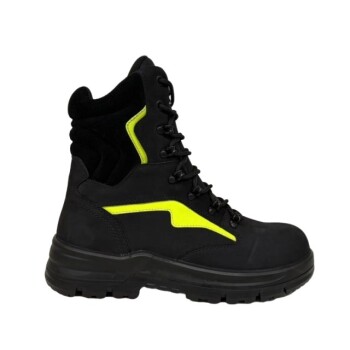
- Premium Waterproof Nubuck Safety Boots for Wholesale
People Also Ask
- Why are waterproof safety boots recommended for certain work environments? Essential Protection for Wet & Hazardous Jobs
- What materials are commonly used in waterproof boots? The Complete Guide to Durable, Breathable Protection
- How does boot construction affect waterproofing? The Science Behind Truly Dry Feet
- What should you look for to ensure boots are fully waterproof? The Essential 2-Part System
- What is the advantage of one-piece construction in waterproof boots? Unbeatable Seamless Protection