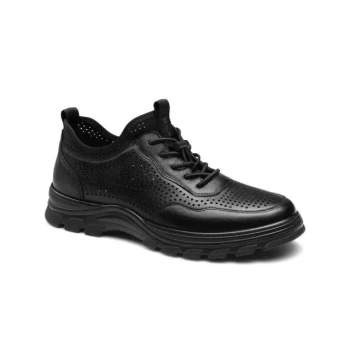
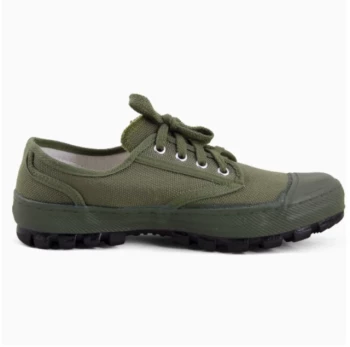
TPR soles are primarily chosen for sneakers due to their lightweight nature and significant cost-effectiveness. This makes them an ideal material for manufacturers looking to produce affordable, comfortable footwear for casual, everyday use.
While TPR offers clear benefits in weight and price, it represents a trade-off. Understanding its place relative to traditional rubber is crucial for determining if it meets your specific needs for durability and performance.
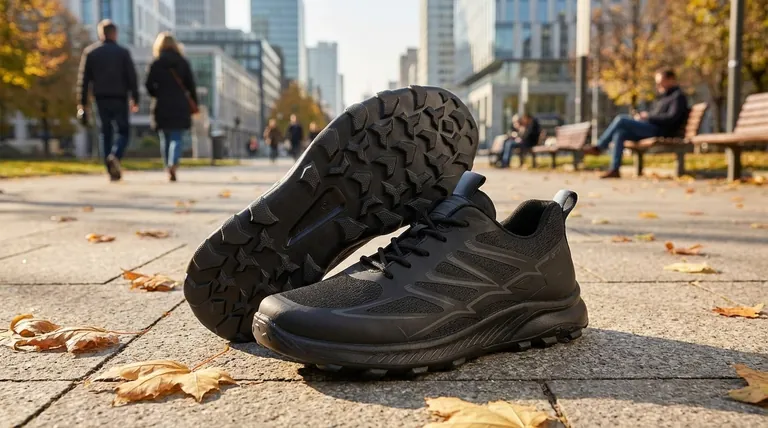
The Core Advantages of TPR Soles
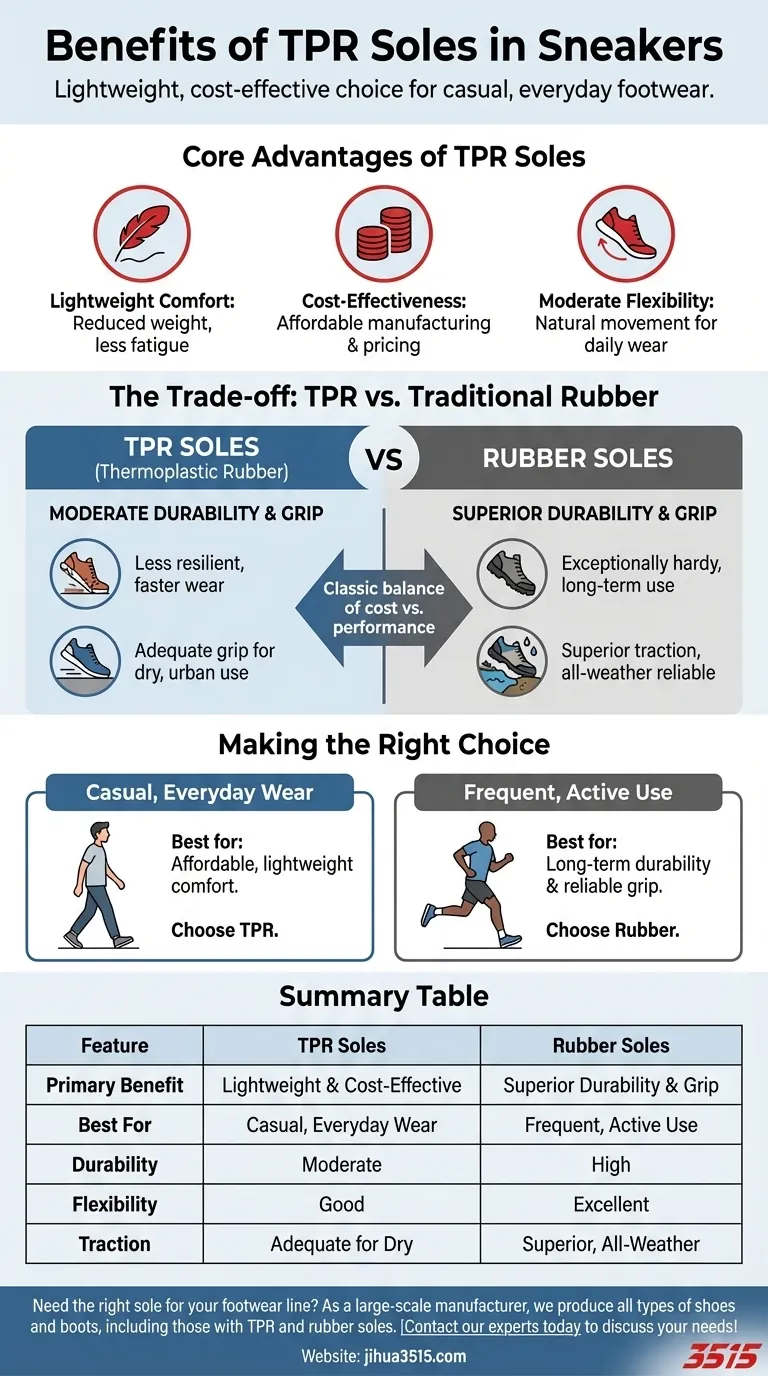
TPR, which stands for Thermoplastic Rubber, is a synthetic material that blends the properties of plastic and rubber. This unique composition gives it several distinct advantages for certain types of footwear.
Lightweight Comfort
The most immediate benefit of a TPR sole is its reduced weight compared to solid rubber. This creates a sneaker that feels less cumbersome on the foot, reducing fatigue during long periods of casual wear.
Cost-Effectiveness
TPR is generally cheaper to source and manufacture than natural or high-grade synthetic rubber. This cost saving is often passed on to the consumer, resulting in a more affordable sneaker.
Moderate Flexibility
TPR provides a decent level of flexibility, allowing for natural foot movement during activities like walking. This ensures a baseline of comfort for non-athletic, daily use.
Understanding the Trade-offs: TPR vs. Rubber
To fully appreciate TPR's role, it's essential to compare it to its most common alternative: traditional rubber. The choice between them is a classic balance of cost versus performance.
Durability and Longevity
TPR is durable enough for casual wear, but it is generally less resilient than a high-quality rubber sole. With frequent and heavy use, TPR will show wear and tear more quickly.
Rubber, by contrast, is known for being exceptionally hardy and can withstand significant abrasion, making it the superior choice for sneakers intended for long-term, frequent use.
Grip and Performance
While TPR offers adequate grip for dry, urban environments, rubber soles typically provide superior traction. Rubber's natural properties give it a better hold on a variety of surfaces, especially in wet or demanding conditions.
Water Resistance
Both materials are water-resistant, which is a key feature for any sneaker sole. However, rubber generally offers a higher degree of waterproofing, making it more reliable in extreme or consistently wet weather.
Making the Right Choice for Your Needs
Selecting a sneaker with the right sole material depends entirely on your intended use and priorities.
- If your primary focus is an affordable, lightweight sneaker for casual daily wear: A TPR sole is an excellent and highly practical choice.
- If your primary focus is long-term durability and reliable grip for frequent, active use: Investing in a sneaker with a rubber sole is the more strategic decision.
Ultimately, choosing the right sole is about aligning the material's inherent properties with your performance expectations and budget.
Summary Table:
| Feature | TPR Soles | Rubber Soles |
|---|---|---|
| Primary Benefit | Lightweight & Cost-Effective | Superior Durability & Grip |
| Best For | Casual, Everyday Wear | Frequent, Active Use |
| Durability | Moderate | High |
| Flexibility | Good | Excellent |
| Traction | Adequate for Dry Conditions | Superior, All-Weather |
Need the right sole for your footwear line? As a large-scale manufacturer, 3515 produces a comprehensive range of footwear for distributors, brand owners, and bulk clients. Our production capabilities encompass all types of shoes and boots, including those with TPR, rubber, and other specialized soles. We can help you select the perfect material to balance cost, comfort, and performance for your target market. Contact our experts today to discuss your manufacturing needs!
Visual Guide
Related Products
- Wholesale Waterproof Tactical Boots Custom Suede & High-Traction Soles
- Durable High-Traction Canvas Sneakers Wholesale & Custom Manufacturing
- Wholesale Breathable Perforated Leather Derby Shoes with Modern Comfort Sole
- Wholesale Durable Camouflage Canvas Shoes with High-Traction Cleated Rubber Sole
- Lightweight Breathable Sneakers with Wet-Traction Grip for Wholesale & Private Label
People Also Ask
- What waterproof technology is used in tactical boots? Unlock All-Weather Performance & Protection
- What are the advantages and disadvantages of waterproof tactical boots? A Guide to the Key Trade-Offs
- What is the significance of waterproof functionality in tactical boots? Essential for Health & Performance
- What is the role of professional 3D medical imaging software in optimizing tactical boot design and performance?
- What features enhance breathability and comfort in tactical boots? A Guide to Superior Footwear Performance