
At its core, investing in motorcycle boots with high-quality materials is an investment in protection, long-term comfort, and durability. Premium materials like full-grain leather or advanced synthetics provide superior abrasion resistance in a crash, better support on long rides, and a lifespan that far exceeds that of cheaper alternatives.
The choice of material in a motorcycle boot is not merely cosmetic; it is the foundation of the boot's ability to protect your feet from impact and abrasion while providing the comfort and durability needed for years of riding.
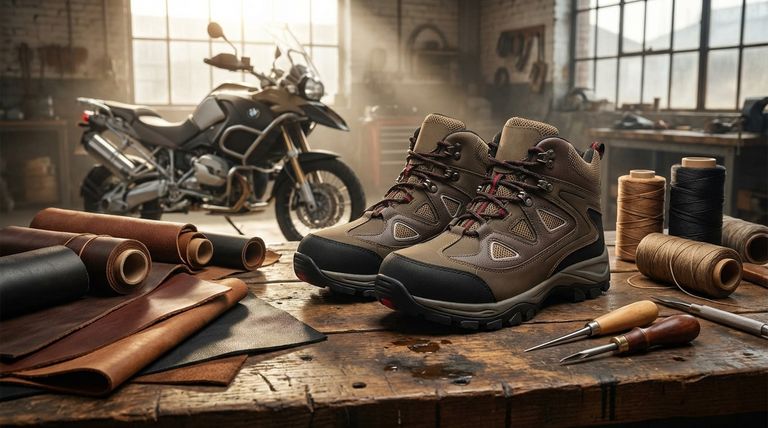
The Core Functions of High-Quality Materials
A motorcycle boot is a critical piece of safety equipment. The materials used must perform under extreme stress, from the demands of a cross-country tour to the unfortunate reality of a slide on asphalt.
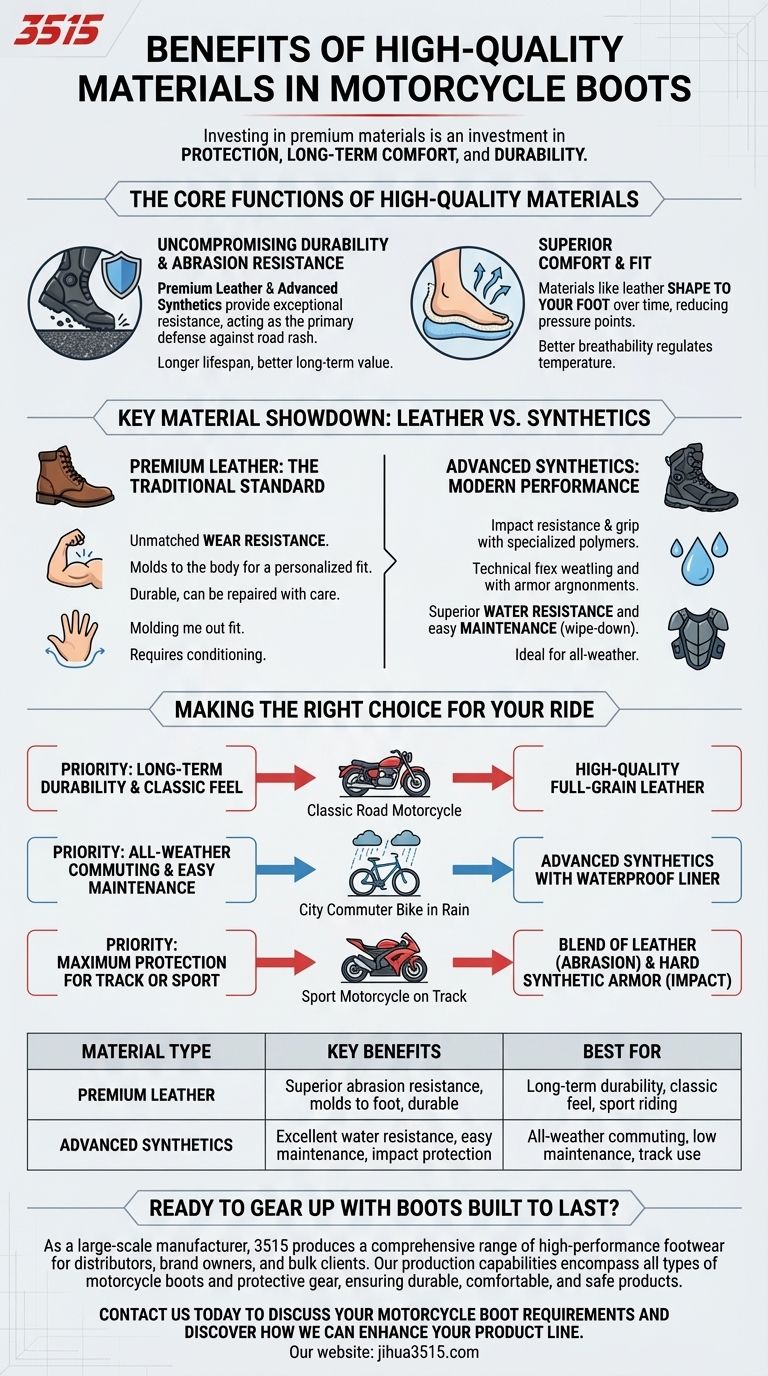
Uncompromising Durability and Abrasion Resistance
The single most important job of a boot in a crash is to resist being worn away by the pavement.
High-quality materials, especially premium leather, offer exceptional resistance to wear and abrasion. This is your primary defense against road rash and more severe injuries.
This durability also means the boots last longer, representing a better long-term value despite a higher initial cost.
Superior Comfort and Fit
Discomfort is a distraction, and distractions on a motorcycle are dangerous. High-quality materials are engineered for extended use.
Materials like leather will shape to your foot over time, creating a custom fit that reduces pressure points and fatigue.
Furthermore, premium materials often feature better breathability, which helps regulate temperature and manage moisture during long or warm rides, preventing discomfort.
Key Material Showdown: Leather vs. Synthetics
The two primary categories of materials each offer a distinct set of advantages tailored to different riding styles and conditions.
Premium Leather: The Traditional Standard
For decades, leather has been the benchmark for protective riding gear for good reason.
It provides an unmatched combination of wear resistance and the ability to mold to the rider's body, offering a personalized and secure fit.
While not naturally waterproof, treated leather offers a high degree of durability and can often be repaired, extending its usable life significantly.
Advanced Synthetics: Modern Performance
Modern synthetic materials, from advanced polymers to engineered textiles, offer a compelling alternative.
Materials like Polyvinyl Chloride (PVC) and specialized rubbers are often used for structural components, soles, and armor due to their impact resistance and grip.
Many synthetic boots also provide superior water resistance and require less maintenance than leather, making them an excellent choice for commuters or all-weather riders.
Understanding the Trade-offs
Choosing the right material involves balancing performance characteristics, cost, and maintenance requirements. There is no single "best" material for every rider.
The Cost vs. Longevity Equation
Boots made from premium materials carry a higher upfront cost.
However, their enhanced durability often means they will outlast multiple pairs of cheaper boots, making them a more economical choice over the long term.
Maintenance and Care
Leather requires conditioning to maintain its flexibility and weather resistance. Neglecting it can lead to cracking and reduced protective qualities.
Synthetics, on the other hand, are generally easier to care for, often requiring little more than a simple wipe-down to clean.
Weather Performance
Untreated leather will soak up water. While treatments are effective, boots made with dedicated waterproof synthetic membranes typically offer more reliable protection in wet conditions.
Making the Right Choice for Your Ride
Your ideal boot material depends entirely on your riding style, typical weather conditions, and personal priorities.
- If your primary focus is long-term durability and a classic feel: A boot constructed primarily from high-quality full-grain leather is your best choice.
- If your primary focus is all-weather commuting and easy maintenance: Look for boots made with advanced synthetics and a certified waterproof liner.
- If your primary focus is maximum protection for track or sport riding: The ideal boot will blend leather for abrasion resistance with hard synthetic armor for impact protection.
Ultimately, choosing a boot with high-quality materials is a direct investment in your own safety and comfort on every ride.
Summary Table:
| Material Type | Key Benefits | Best For |
|---|---|---|
| Premium Leather | Superior abrasion resistance, molds to foot, durable | Long-term durability, classic feel, sport riding |
| Advanced Synthetics | Excellent water resistance, easy maintenance, impact protection | All-weather commuting, low maintenance, track use |
Ready to gear up with boots built to last?
As a large-scale manufacturer, 3515 produces a comprehensive range of high-performance footwear for distributors, brand owners, and bulk clients. Our production capabilities encompass all types of motorcycle boots and protective gear, ensuring you get durable, comfortable, and safe products tailored to your riders' needs.
Contact us today to discuss your motorcycle boot requirements and discover how we can enhance your product line with quality you can trust.
Visual Guide
Related Products
- Wholesale Tactical Boots High-Traction & Reflective for Bulk & Brand Orders
- High Performance Fire-Retardant Waterproof Safety Boots
- Durable Goodyear Welt Leather Work Boots for Wholesale & Private Label
- Wholesale High-Traction Camo Boots - Custom Manufacturer for Brands
- Heavy-Duty Waterproof Nubuck Safety Boots Safety Shoes for Bulk Supply
People Also Ask
- How do tactical boots protect against injuries? Discover the Integrated Safety System
- What factors should be considered when choosing tactical boots for different terrains? Match Your Boot to the Mission.
- How do manufacturing processes for electronic textiles balance durability with wearing comfort? Innovation in Footwear
- How does the comparative gait analysis between grass and asphalt guide safety shoe R&D? Optimize Tactical Performance
- How does additive manufacturing equipment reduce environmental risks? Sustainable Tactics for Modern Footwear Production



















