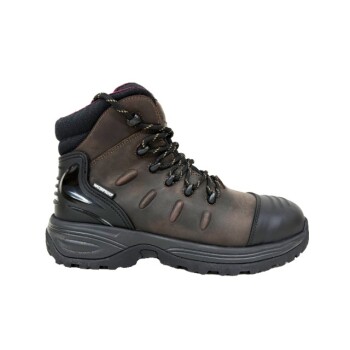
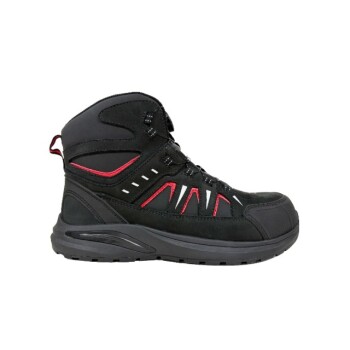
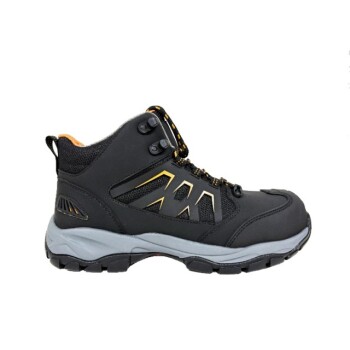
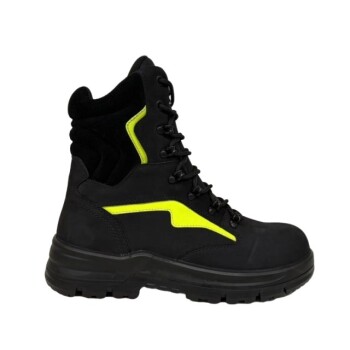
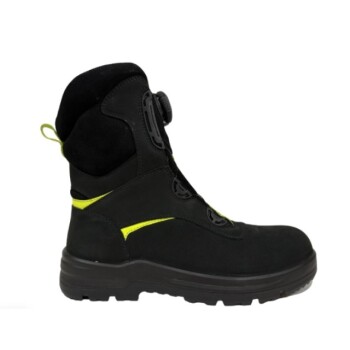
The primary alternatives to traditional steel toe boots are composite toe and alloy toe boots. Both are designed to provide certified impact and compression protection while addressing the common drawbacks of steel, such as its heavy weight and its conductivity of temperature and electricity.
The question isn't simply which safety toe is "best," but which material—steel, composite, or alloy—is the correct tool for your specific job. Understanding the distinct properties of each is key to matching the boot to your work environment's unique hazards.
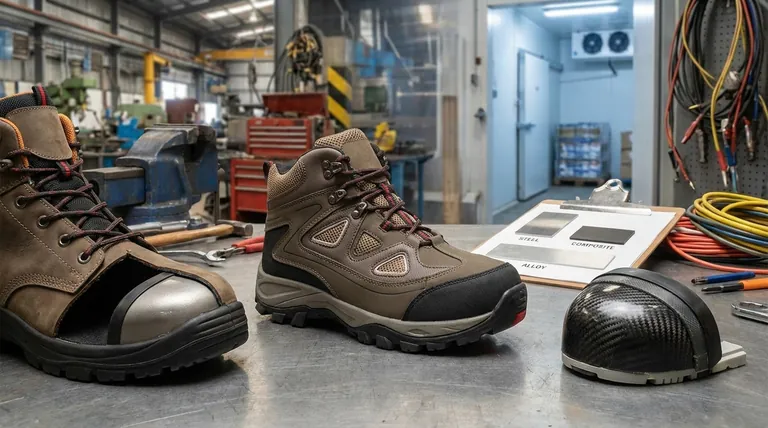
Deconstructing the Safety Toe: Steel vs. The Alternatives
All certified safety boots must meet the same core safety standards for impact and compression. The material used in the protective toe cap, however, dictates the boot's weight, conductivity, and ideal use case.
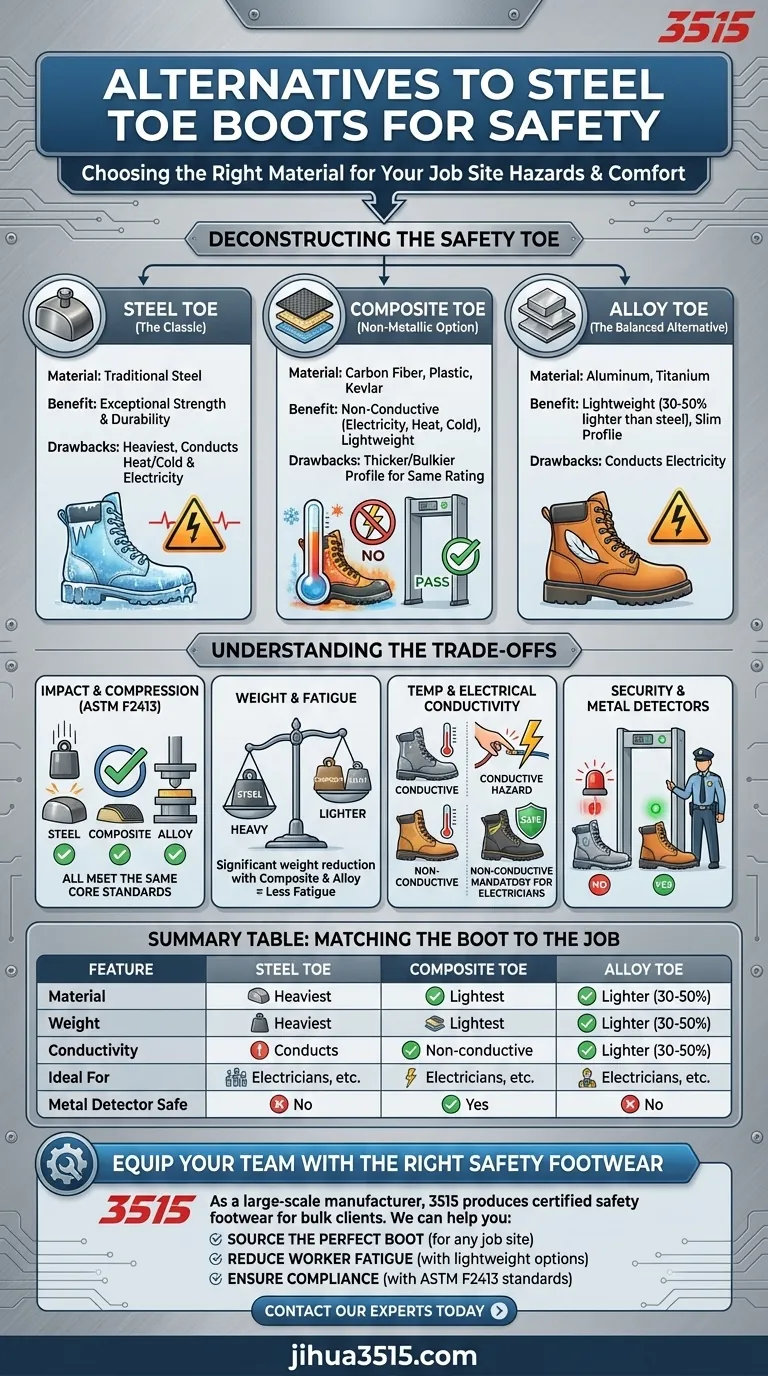
The Classic: Steel Toe
Steel is the traditional material for safety toes, known for its exceptional strength. This allows it to provide maximum protection in a relatively thin and compact toe cap.
However, steel comes with significant drawbacks. It is the heaviest option, which can lead to fatigue. It also readily conducts temperature, making boots cold in the winter, and conducts electricity, making it unsuitable for electricians.
The Non-Metallic Option: Composite Toe
Composite toes are made from non-metal materials like carbon fiber, plastic, or Kevlar. Their primary advantage is that they do not conduct electricity, heat, or cold.
This makes them the only safe choice for electricians and a far more comfortable option in extreme temperatures. They are also significantly lighter than steel and will not set off metal detectors.
The Balanced Alternative: Alloy Toe
Alloy toes are crafted from lightweight metals such as aluminum or titanium. They offer a middle ground between steel and composite.
These boots are considerably lighter than steel—often 30-50%—which reduces foot fatigue. While they are a metal, they provide reliable protection in a profile that is often just as slim as a steel toe.
Understanding the Trade-offs
Choosing a safety boot involves balancing protection requirements against environmental factors and daily comfort.
Impact and Compression Resistance
It is a common misconception that one material is inherently "safer" than another. To be sold as safety footwear, all steel, composite, and alloy toe boots must meet the same ASTM F2413 safety standards for impact and compression.
The key difference is that composite materials may need to be slightly thicker or bulkier to achieve the same resistance as a thinner cap made of steel or alloy.
Weight and All-Day Fatigue
Weight is a critical factor for anyone who spends long hours on their feet. Both composite and alloy toes offer a significant weight reduction compared to steel.
This seemingly small difference translates into a substantial reduction in fatigue and an increase in comfort over the course of a work week.
Temperature and Electrical Conductivity
Steel is an excellent conductor. This makes steel toe boots a poor choice for work in extreme cold, as the toe cap can become dangerously cold.
More importantly, this conductivity presents a serious hazard for anyone working near live electrical circuits. Composite toes are the mandatory choice for electricians because they are non-conductive.
Security and Metal Detectors
For workers in airports, secure facilities, or government buildings, passing through metal detectors is a daily reality.
Composite toe boots eliminate this inconvenience entirely, as they contain no metal in the protective cap.
Making the Right Choice for Your Job
Your specific work environment and daily tasks should be the deciding factor.
- If your primary focus is maximum durability in heavy industrial or construction settings: Steel remains a proven and cost-effective choice for its ruggedness.
- If your primary focus is working around electricity, in extreme temperatures, or passing through metal detectors: Composite toe boots are the safest and most practical option.
- If your primary focus is minimizing weight and fatigue without compromising protection: Alloy toe boots offer a fantastic balance of lightweight comfort and strength.
Ultimately, the modern safety boot offers specialized solutions, allowing you to select footwear that enhances your safety, comfort, and performance on the job.
Summary Table:
| Feature | Steel Toe | Composite Toe | Alloy Toe |
|---|---|---|---|
| Material | Steel | Carbon Fiber, Kevlar, Plastic | Aluminum, Titanium |
| Weight | Heaviest | Lightest | Lighter (30-50% less than steel) |
| Conductivity | Conducts electricity & temperature | Non-conductive | Conducts electricity |
| Ideal For | Heavy industrial/construction | Electricians, extreme temperatures, secure facilities | Lightweight comfort, general industry |
| Metal Detector Safe | No | Yes | No |
Equip Your Team with the Right Safety Footwear
As a large-scale manufacturer, 3515 produces a comprehensive range of certified safety footwear for distributors, brand owners, and bulk clients. We understand that the right boot is crucial for safety and productivity.
We can help you:
- Source the perfect boot for any job site, from heavy industry to electrical work.
- Reduce worker fatigue with our lightweight composite and alloy toe options.
- Ensure compliance with all relevant safety standards (ASTM F2413).
Let us provide your team with durable, comfortable, and job-specific safety boots. Contact our experts today to discuss your bulk footwear needs!
Visual Guide
Related Products
- Wholesale Durable Safety Boots Manufacturer Customizable Steel Toe Work Boots
- Puncture-Resistant Velcro Safety Boots for Wholesale & Custom Manufacturing
- Durable Leather Safety Boots for Wholesale & Custom OEM Manufacturing
- Wholesale Durable Breathable Safety Boots Custom OEM Manufacturer
- Wholesale Leather Safety Boots with Customizable Protective Toe
People Also Ask
- What are the pros and cons of steel toe work boots? A Guide to Maximum Protection vs. Comfort
- What are the different types of steel toe work boots? Choose the Right Boot for Your Job
- What is the history of steel toe work boots? From German Invention to Modern Safety Standard
- How much weight can steel toe work boots withstand? Unpacking the 3,372 lb. Safety Standard
- What are some common myths about steel toe work boots? Debunked for Modern Workers