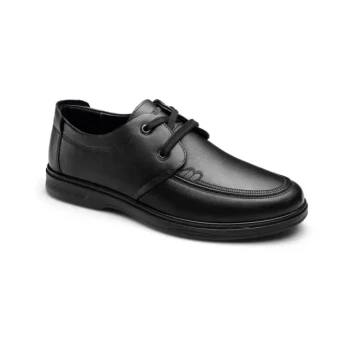
The primary advantage of an elastic collar structure is its ability to dynamically adapt to the wearer's ankle, creating a secure, "sock-like" fit without the constraints of rigid materials. By utilizing high-stretch fibers or composites, this design simplifies the entry and exit process while eliminating the friction points that typically cause skin irritation in traditional footwear.
Core Takeaway: While traditional footwear relies on rigid structures for containment, the elastic collar prioritizes a seamless, adaptable fit. This design shift offers a lightweight, practical solution that minimizes abrasion while ensuring the shoe moves naturally with the foot.
Enhancing Fit and Comfort
The most immediate benefit of an elastic collar is the fundamental change in how the shoe interacts with the ankle anatomy.
The "Sock-Like" Wrapping Sensation
The elastic collar is engineered to dynamically adapt to the specific profile of your ankle. Unlike static openings, this creates a wrapping sensation that mimics a second skin, ensuring the shoe feels like an extension of the foot rather than a separate attachment.
Eliminating Skin Irritation
Traditional rigid collars often create pressure points against the Achilles tendon or ankle bone, leading to friction. Because elastic materials yield to movement rather than resisting it, this design significantly reduces the potential for the chafing and blisters common in stiff casual or training shoes.
Usability and Practicality
Beyond comfort, the elastic structure addresses the functional demands of modern lifestyle and light training scenarios.
Streamlined Entry and Exit
The high-stretch fibers allow the collar to expand significantly when inserting the foot and retract immediately for a secure hold. This simplifies the act of putting on and taking off the footwear, making it highly practical for daily wear.
Lightweight Construction
By replacing dense padding and rigid structural elements with composite fibers, elastic collars reduce the overall weight of the shoe. This meets the modern consumer preference for lightweight footwear that provides agility without unnecessary bulk.
Understanding the Trade-offs
To provide a complete technical assessment, it is important to recognize where this design differs from traditional construction.
Flexibility vs. Rigid Support
The text notes that this design replaces "rigid collar structures." While this maximizes flexibility, it inherently changes the stability profile of the shoe. It offers freedom of movement but may provide less mechanical lockdown than a reinforced, rigid heel counter during high-intensity lateral movements.
Making the Right Choice for Your Goal
When evaluating footwear with an elastic collar, consider how the benefits align with your intended use.
- If your primary focus is daily comfort and ease of use: The elastic collar is the superior choice, as it eliminates break-in periods and prevents skin abrasion during prolonged wear.
- If your primary focus is lightweight training: This design offers the necessary flexibility and "wrapping" fit to keep the foot secure without the weight of traditional materials.
The elastic collar represents a modern evolution in footwear, prioritizing a fit that adapts to the human form rather than forcing the foot to adapt to the shoe.
Summary Table:
| Feature | Elastic Collar Structure | Traditional Rigid Collar |
|---|---|---|
| Fit Quality | Dynamic, "sock-like" wrapping | Static, structured containment |
| Skin Comfort | Minimal friction/chafing | Potential pressure points |
| Entry/Exit | High-stretch, easy slip-on | Requires more adjustment |
| Weight | Ultra-lightweight composite | Denser padding & materials |
| Stability | Focus on flexibility | Focus on mechanical lockdown |
Partner with 3515 for High-Performance Footwear Manufacturing
As a large-scale manufacturer serving distributors and brand owners, 3515 offers comprehensive production capabilities for all footwear types, anchored by our flagship Safety Shoes series. Our extensive portfolio covers work and tactical boots, outdoor shoes, training shoes, and sneakers, as well as Dress & Formal shoes to meet diverse bulk requirements.
Whether you are looking to integrate advanced elastic collar technology into your next training shoe line or need rugged durability for tactical gear, our engineering expertise ensures your products stand out in quality and comfort.
Ready to elevate your inventory? Contact us today to discuss your bulk production needs and experience the value of a premier manufacturing partnership.
References
- Hapsoro Agung Jatmiko, Danov Setiyo Nugroho. mplementing Kansei Engineering and Quality Function Deployment Method in Designing Shoes : Case Study at Rejowinangun Original Leather. DOI: 10.31940/logic.v22i1.70-80
This article is also based on technical information from 3515 Knowledge Base .
Related Products
- Wholesale Smart Casual Sneakers with Dial Closure | Factory Direct Manufacturing
- Dial Closure Leather Business Casual Shoes for Wholesale & Private Label
- Wholesale Comfortable Business Casual Shoes Custom Manufacturing
- Wholesale Leather Business Casual Shoes with Dial Closure - Manufacturer of Comfort Dress Sneakers
- Wholesale Modern Perforated Leather Derby Shoes with Chunky Sole for Custom Branding
People Also Ask
- What should be considered regarding the materials used in casual sneakers? Choose for Comfort, Durability & Style
- What are the key factors to consider when choosing casual sneakers? Find Your Perfect Fit & Style
- What steps can be taken to ensure the best selection of casual sneakers? A Guide to Comfort, Style & Durability
- How does style and versatility factor into choosing casual sneakers? Build a Timeless Wardrobe Foundation
- How should price and value for money be evaluated for casual sneakers? Maximize Your Investment with Cost-Per-Wear