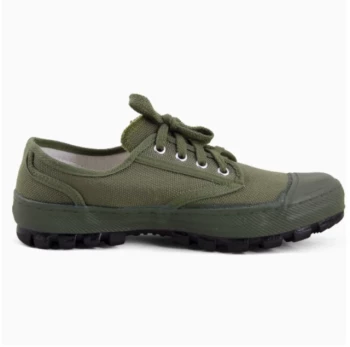
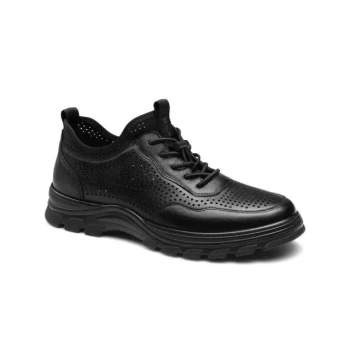
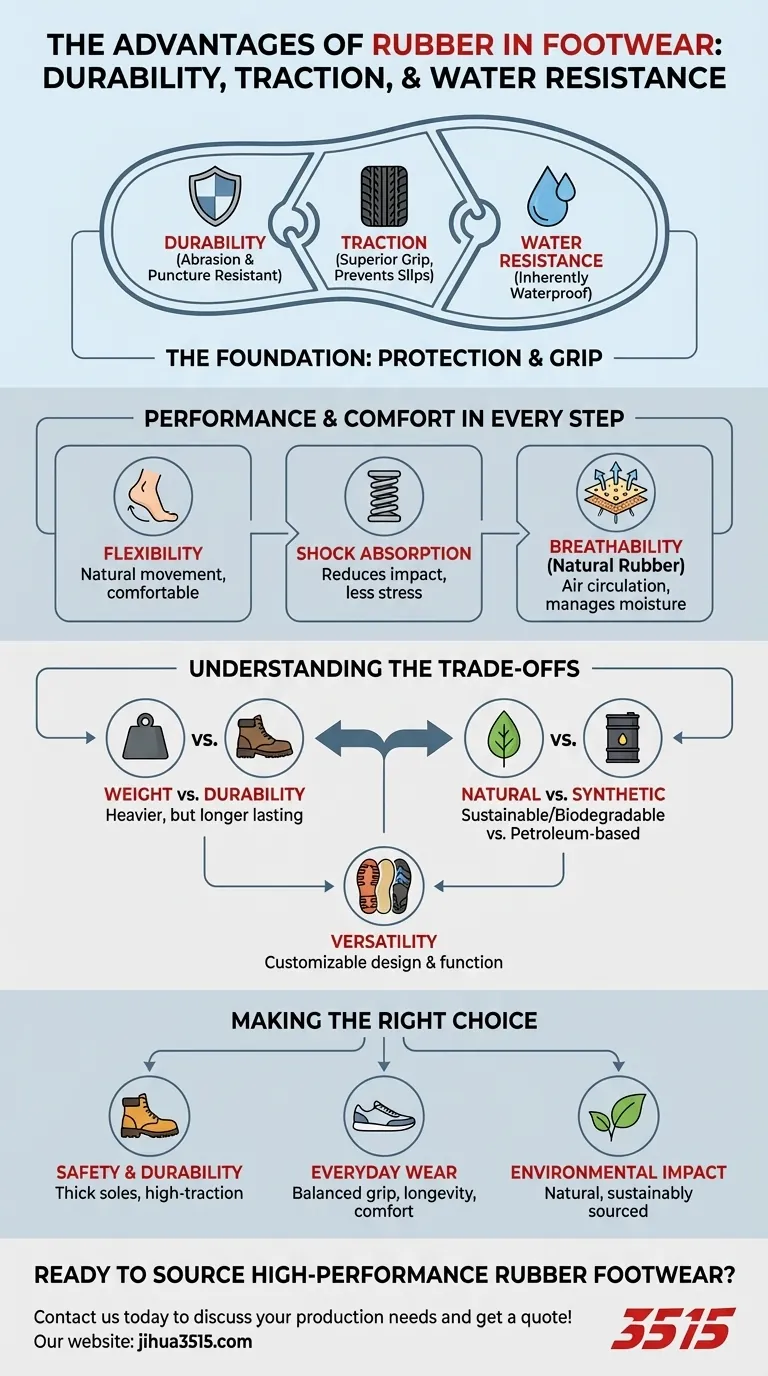
At its core, rubber's advantage in footwear comes from its exceptional durability, traction, and water resistance. This unique combination of properties makes it the default material for the outsoles of everything from rugged work boots to everyday sneakers, providing a reliable foundation between your foot and the ground.
Rubber is the benchmark material for footwear outsoles because it delivers an unparalleled balance of physical protection and performance grip. Its ability to resist abrasion while remaining flexible and waterproof is what makes it so uniquely effective for a wide range of conditions.
The Foundation: Protection and Grip
The most critical role of a shoe's outsole is to protect the foot and provide stable contact with the ground. Rubber excels in these fundamental areas due to its inherent material properties.
Unmatched Durability
Rubber is exceptionally hardy and resistant to abrasion. This means it can withstand constant friction against rough surfaces like concrete and trails without wearing down quickly, significantly extending the life of the shoe.
Its composition also makes it puncture-resistant, offering a crucial layer of safety from sharp objects on the ground.
Superior Traction
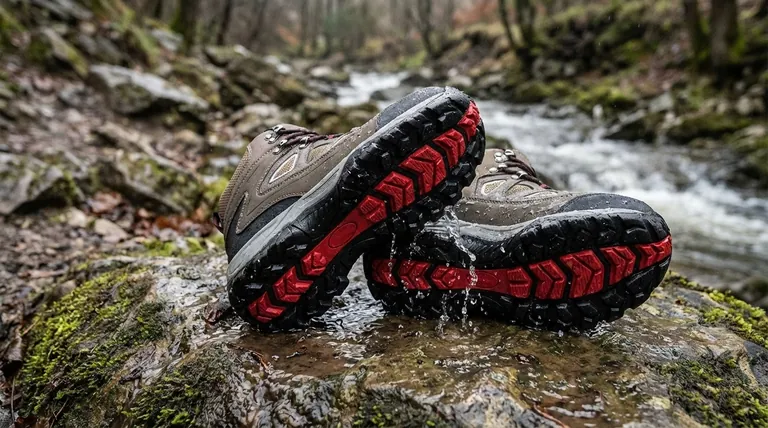
One of rubber's most valued qualities is its high coefficient of friction, which translates to excellent grip. This property is vital for preventing slips and falls, especially on wet or uneven surfaces.
This makes rubber an essential safety feature in work boots and a performance-enhancer in athletic and hiking shoes.
Natural Water Resistance
Rubber is inherently waterproof. This quality makes it the ideal material for rain boots and any footwear designed to keep feet dry in wet environments.
Even in shoes that aren't fully waterproof, a rubber sole prevents moisture from seeping in from the ground.
Performance and Comfort in Every Step
Beyond pure protection, rubber contributes significantly to the comfort and functional performance of footwear. It is not just a passive barrier but an active component in how a shoe feels and moves.
Essential Flexibility
Despite its toughness, rubber maintains a high degree of flexibility. This allows the shoe to bend naturally with the movement of your foot, leading to a more comfortable and less restrictive walking or running experience.
Effective Shock Absorption
Rubber has natural cushioning properties that help absorb the impact of each step. This shock absorption reduces stress on your feet, ankles, and knees, which is particularly important for prolonged comfort during long periods of standing or walking.
The Breathability of Natural Rubber
Specifically, natural rubber has a porous structure. This allows for a degree of air circulation, which can help manage moisture and heat inside the shoe, reducing the risk of odor or fungal issues.
Understanding the Trade-offs
No material is perfect, and it is important to understand the context of rubber's advantages. Its strengths in some areas create trade-offs in others.
Weight vs. Durability
The very density that makes rubber so durable also makes it heavier than synthetic foam alternatives like EVA. For footwear where minimizing weight is the absolute top priority, such as performance running shoes, rubber is often used more sparingly in high-wear areas rather than for the entire sole.
Natural vs. Synthetic
The strong claims of sustainability apply primarily to natural rubber, which is a renewable resource harvested from trees and is biodegradable. In contrast, many shoes use synthetic rubber, which is a petroleum-based product and does not share these eco-friendly benefits.
Versatility in Design
Rubber is a highly malleable material. It can be molded into countless tread patterns to optimize for different conditions and can be pigmented to match any shoe's aesthetic, from the neutral tan of crepe soles to a specific brand color.
Making the Right Choice for Your Goal
Understanding these properties allows you to select footwear that is best suited to your specific needs.
- If your primary focus is safety and durability: Look for boots or work shoes with thick, high-traction rubber outsoles designed for maximum slip and puncture resistance.
- If your primary focus is everyday wear and comfort: Sneakers with flexible rubber soles provide an excellent balance of longevity, grip, and comfort for daily activities.
- If your primary focus is environmental impact: Seek out brands that explicitly state they use natural, sustainably sourced, and biodegradable rubber.
Ultimately, choosing footwear with the right rubber components empowers you to move through your world with confidence, comfort, and safety.
Summary Table:
| Advantage | Key Benefit |
|---|---|
| Durability | Resists abrasion and punctures for long-lasting wear. |
| Traction | Provides excellent grip to prevent slips and falls. |
| Water Resistance | Keeps feet dry by blocking moisture from the ground. |
| Flexibility & Comfort | Allows natural foot movement and absorbs shock. |
Ready to source high-performance rubber footwear?
As a large-scale manufacturer, 3515 produces a comprehensive range of durable, comfortable, and safe footwear for distributors, brand owners, and bulk clients. Our expertise in rubber compounding and molding ensures superior quality in every pair, from rugged work boots to everyday sneakers.
Contact us today to discuss your production needs and get a quote!
Visual Guide
Related Products
- Durable Rubber-Soled Utility Shoes for Wholesale & Custom Brand Manufacturing
- Durable Rubber Sole Outdoor Shoes Wholesale & Custom Manufacturing
- Wholesale Durable Camouflage Canvas Shoes with High-Traction Cleated Rubber Sole
- Durable Canvas Work Shoes with Rubber Lug Sole | Wholesale Manufacturer
- Wholesale Durable Camo Canvas Shoes with High-Traction Rubber Soles
People Also Ask
- Why are rubber-soled shoes considered multi-weather footwear? Unlock All-Season Traction & Protection
- Why should we wear rubber soled shoes? Unlock Superior Safety and Durability
- How do rubber soles affect a shoe's appearance? Defining Your Shoe's Style and Formality
- What are the types of rubber sole shoes available? Choose the Right Sole for Durability & Comfort
- When were rubber sole shoes invented? From 1800s Concept to Modern Mainstay