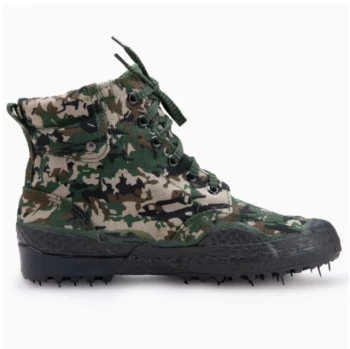
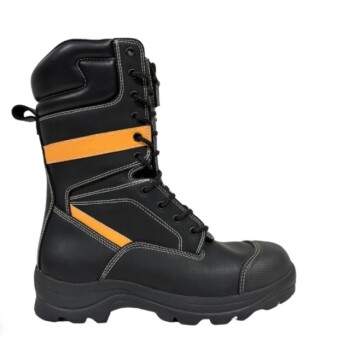
Innovative backcountry hunting boots are moving beyond a single design philosophy. The most notable innovations include hybrid models that blend mountaineering rigidity with hunting flexibility, like the Salewa PRO GUIDE MAN with its adjustable FLEX SYSTEM, and a strategic shift toward non-waterproof, fast-drying boots that prioritize breathability and foot health over complete water resistance.
The core innovation in backcountry footwear is not a single feature, but a trend toward specialization. The goal has shifted from finding one "do-it-all" waterproof boot to selecting a boot whose specific design—be it rapid drying, hybrid support, or classic durability—perfectly matches your specific hunting environment and conditions.
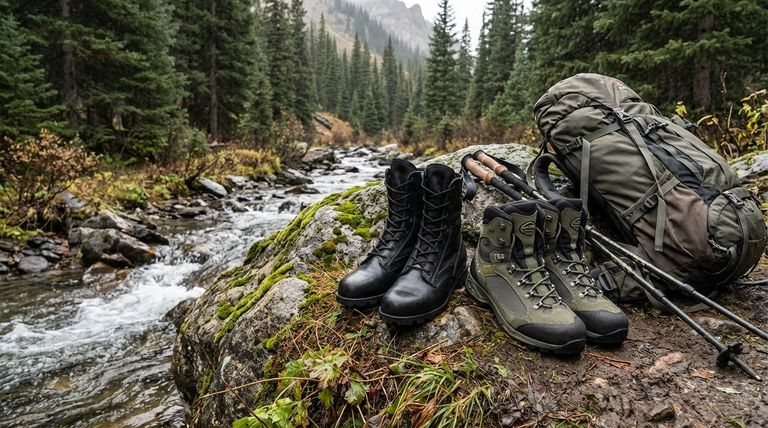
The Shift from "Waterproof" to "Water Management"
For decades, the gold standard for a serious boot was a waterproof-breathable membrane. While still highly effective in many situations, a new philosophy is emerging that focuses on managing moisture from both the inside and the outside.
The Problem with "Waterproof"
A waterproof boot is designed to keep external moisture out. However, on long, strenuous hunts, your feet produce a significant amount of sweat. If this moisture cannot escape fast enough, the inside of your boot becomes damp anyway, leading to blisters and discomfort.
The Fast-Drying, Non-Waterproof Alternative
The innovative counter-argument is the non-waterproof boot. This design accepts that in very wet conditions, feet will eventually get wet from either creek crossings or sweat.
Instead of trying to create an impenetrable barrier, these boots use materials that do not absorb water and that dry extremely quickly. This superior breathability keeps feet healthier and more comfortable over the long haul, as moisture is wicked away and evaporated efficiently.
Hybrid Designs: Blending Flexibility and Support
Another area of innovation involves borrowing and blending technologies from other demanding disciplines, like mountaineering and tactical operations, to create boots that offer a wider performance envelope.
The Mountaineering-Hunting Crossover
Boots like the Salewa PRO GUIDE MAN exemplify this trend. It incorporates a FLEX SYSTEM that allows you to adjust the boot's ankle support.
This gives you the rigid support of a mountaineering boot when sidehilling on steep, technical terrain, but allows for more comfortable flex when walking on flat ground. It's a direct attempt to provide the best of both worlds.
Tactical and Synthetic Influences
The use of tactical-style boots for hunting is another crossover innovation. These boots bring an emphasis on lightweight construction, high breathability, and reliable ankle support from the world of military and law enforcement.
Their use of advanced synthetic fabrics and rugged construction offers a modern alternative for hunters who prioritize mobility and agility in less extreme terrain.
Understanding the Trade-offs
No single boot design is perfect for every scenario. True expertise lies in understanding the compromises inherent in each approach and choosing the one that best mitigates the risks of your specific hunt.
The Limits of Non-Waterproof Designs
Fast-drying boots excel in temperate or warm, wet conditions where you are constantly moving. They are a poor choice for late-season or alpine hunts where cold is a major factor. In freezing temperatures, a wet foot is not an inconvenience; it is a serious safety risk that can lead to frostbite.
The Enduring Value of All-Leather
While synthetic hybrids are innovative, the classic all-leather boot remains a benchmark for a reason. Its primary advantage is superior durability and structural integrity, especially when wet or when sidehilling under a heavy pack.
Leather maintains its supportive structure better than many synthetics, and fewer seams mean fewer potential failure points for water to enter, making it a highly reliable choice for harsh, unpredictable environments.
The Compromise of Hybrid Boots
Boots that attempt to blend multiple functions, like adjustable support systems, introduce mechanical complexity. While highly effective, these moving parts can also be potential points of failure over thousands of abusive miles in the backcountry.
Matching the Innovation to Your Hunt
Choosing the right boot means aligning its core design philosophy with your specific environment and goals.
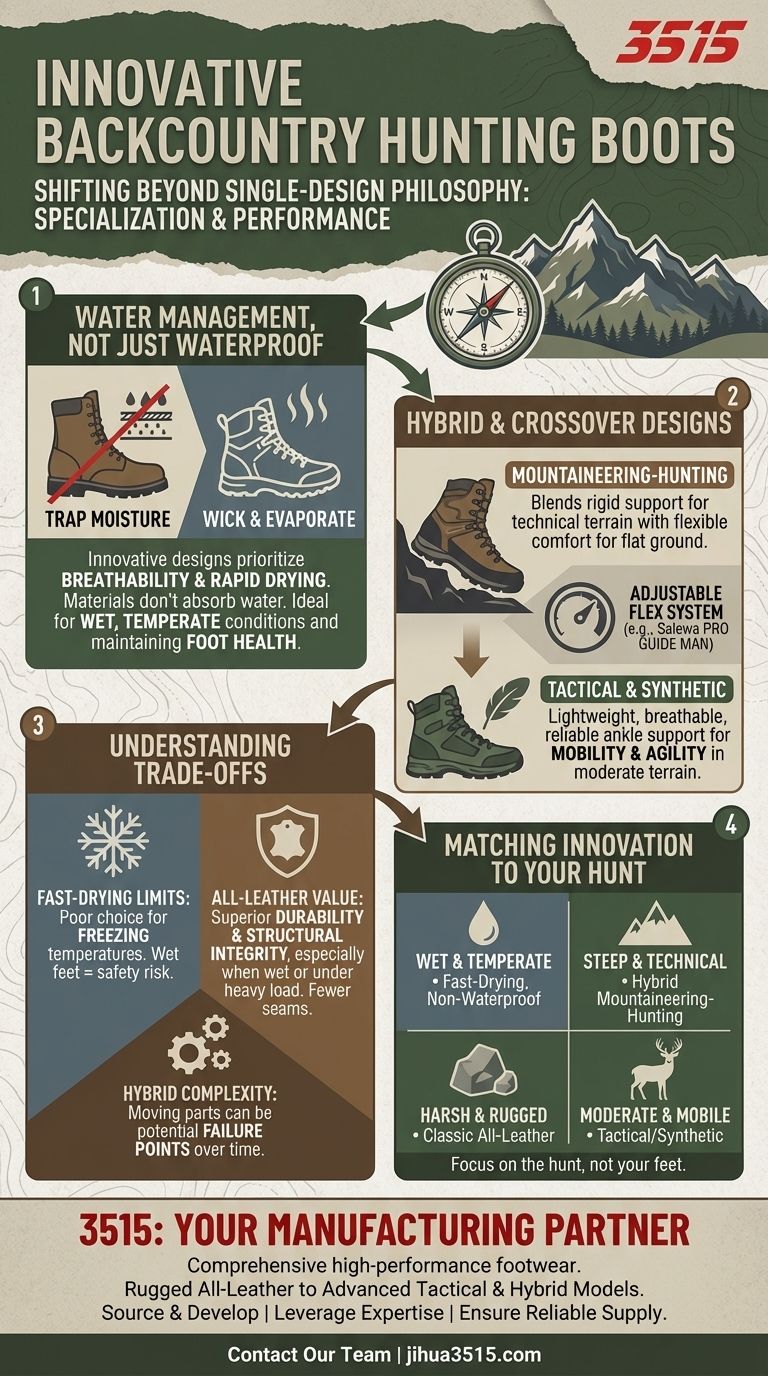
- If your primary focus is multi-day hunts in wet, temperate terrain: Consider a non-waterproof, fast-drying boot to prioritize foot health and manage moisture from the inside out.
- If your primary focus is steep, technical, or mountainous terrain: Look for hybrid or mountaineering-style boots with adjustable flex systems for a blend of rigid support and walking comfort.
- If your primary focus is maximum durability and reliability in harsh, rugged conditions: A premium all-leather boot remains a top-tier choice for its proven support and minimal failure points.
- If your primary focus is mobility and light weight on shorter hunts in moderate terrain: A high-quality tactical or synthetic boot may offer the ideal balance of performance and comfort.
Ultimately, the most innovative boot is the one that allows you to focus on the hunt, not on your feet.
Summary Table:
| Boot Type | Key Innovation | Best For | Key Trade-off |
|---|---|---|---|
| Fast-Drying, Non-Waterproof | Superior breathability and rapid drying to manage sweat and moisture. | Wet, temperate hunts; multi-day trips where foot health is priority. | Poor choice for freezing temperatures; wet feet are a safety risk. |
| Hybrid Mountaineering-Hunting | Adjustable support systems (e.g., Salewa FLEX SYSTEM) for technical terrain. | Steep, technical, or mountainous terrain requiring a blend of support and comfort. | Increased mechanical complexity can introduce potential points of failure. |
| Tactical/Synthetic | Lightweight construction, high breathability, and reliable ankle support. | Shorter hunts in moderate terrain where mobility and agility are key. | May lack the ultimate durability and structural integrity of all-leather boots. |
| Classic All-Leather | Superior durability, structural integrity, and minimal seam failure points. | Harsh, rugged, unpredictable environments and heavy pack loads. | Less breathable and slower to dry than synthetic alternatives; heavier. |
Ready to Find Your Perfect Hunting Boot?
As a large-scale manufacturer, 3515 produces a comprehensive range of high-performance footwear for distributors, brand owners, and bulk clients. Our production capabilities encompass all types of boots, from rugged all-leather designs to advanced tactical and hybrid models.
We can help you:
- Source or develop the ideal boot design for your target market.
- Leverage our expertise in materials and construction for superior performance.
- Ensure reliable supply and consistent quality for your customers.
Let's discuss your specific needs. Contact our team today to get started.
Visual Guide
Related Products
- Wholesale Lightweight Tactical Boots Custom Manufacturer for Desert & Combat Use
- High-Traction Suede Tactical Boots Wholesale & Custom Manufacturing
- Durable Leather Tactical Boots Wholesale & Custom Manufacturing for Brands
- Wholesale Waterproof Tactical Boots Custom Suede & High-Traction Soles
- Durable Rubber Sole Outdoor Shoes Wholesale & Custom Manufacturing
People Also Ask
- What are the common types of combat boots? Find the Right Boot for Your Mission
- What specialized protections do tactical boots offer? Maximize Endurance with High-Performance Footwear
- What is the role of high-frequency acquisition hardware in technical skill analysis for outdoor and tactical boots?
- What are the different types of tactical boots available? Find the Right Boot for Your Mission
- How does additive manufacturing equipment reduce environmental risks? Sustainable Tactics for Modern Footwear Production