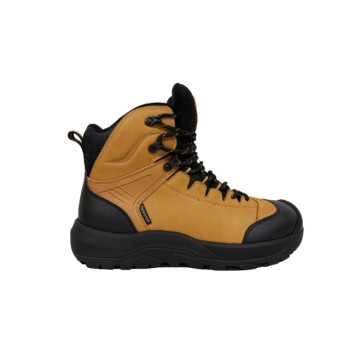
To put it simply, common examples of snow boots are differentiated by their specific features, such as the standard all-purpose snow boot, high-traction boots with built-in spikes, and versatile boots designed with a removable lining for moisture management and adaptability. These designs are engineered to solve different problems posed by winter weather.
The most effective way to choose a snow boot is not by brand, but by matching its core components—insulation, traction, and waterproofing—to the specific intensity and conditions of your winter activities.
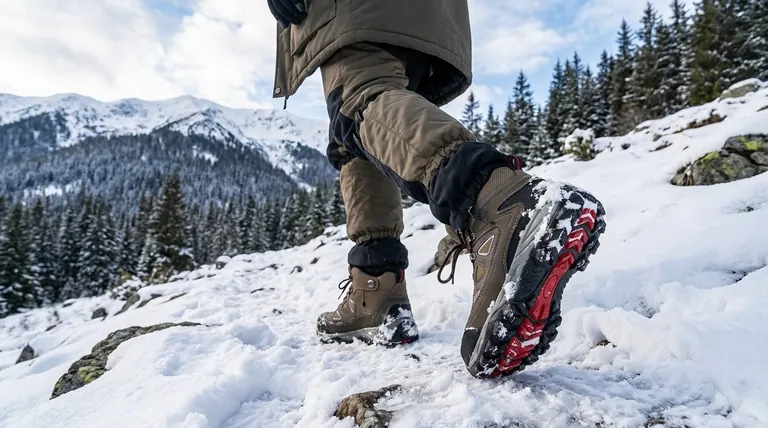
Deconstructing the Modern Snow Boot
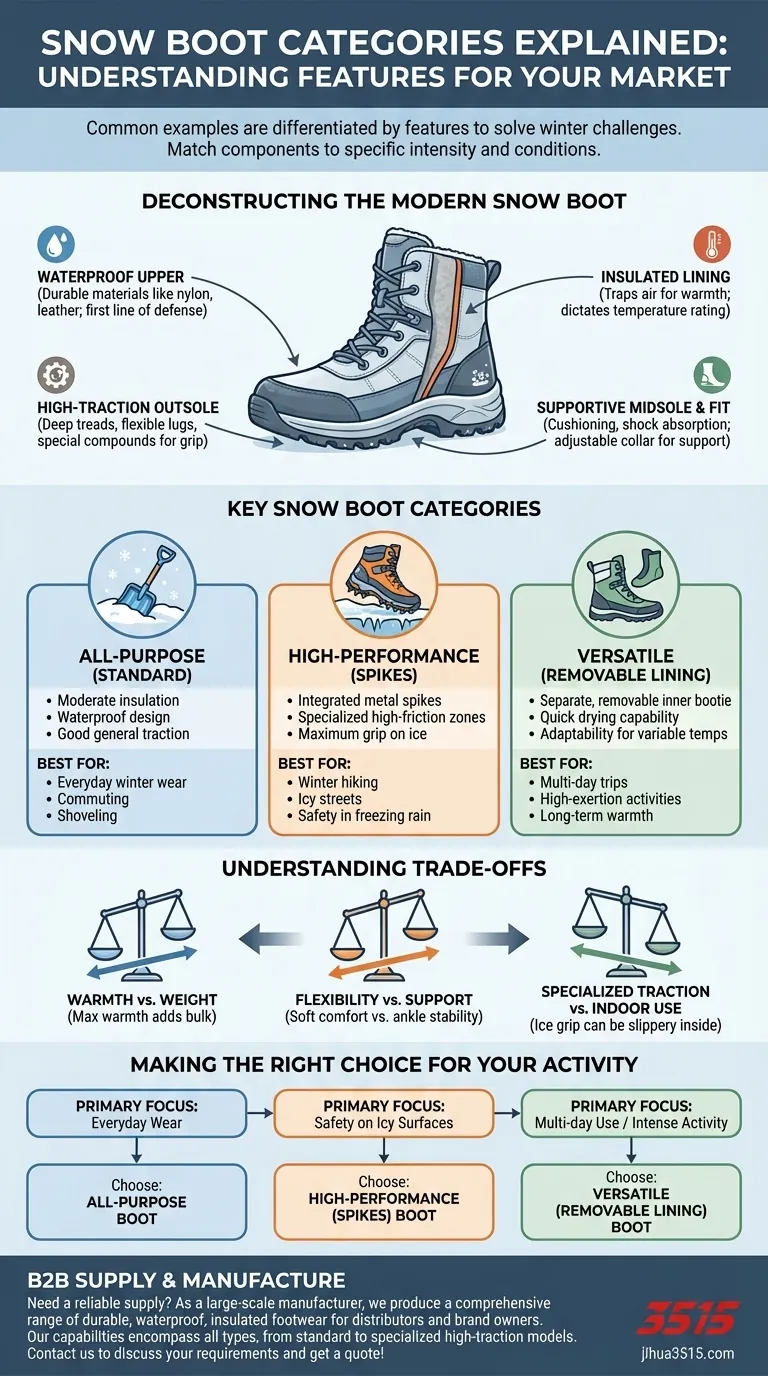
Before comparing types, it's crucial to understand the fundamental components that define a boot's performance. Each part serves a distinct purpose in protecting you from the cold, wet, and slippery conditions of winter.
The Waterproof Upper
This is the boot's first line of defense against snow and slush. Uppers are typically made from durable materials like nylon, textile, suede, or leather, often combined with a waterproof membrane to keep your feet dry while allowing moisture to escape.
The Insulated Lining
A boot's warmth is determined by its insulation. This internal lining traps air, creating a thermal barrier that keeps your feet warm in frigid temperatures. The amount and type of insulation dictate the boot's temperature rating.
The High-Traction Outsole
The bottom of the boot, or outsole, is engineered for grip. Look for flexible soles with deep treads (lugs) that bite into snow and provide stability. Some are made of special rubber compounds that stay soft and grippy even in extreme cold.
Supportive Midsoles and Fit
The midsole provides cushioning and absorbs shock with every step. Additionally, features like a tall shaft and an adjustable collar are critical for keeping deep snow from getting inside the boot and for providing ankle support.
Key Snow Boot Categories Explained
With the core components in mind, we can now examine how they are combined to create different types of boots for specific needs.
The All-Purpose Snow Boot (Standard)
This is the most common type of snow boot. It balances moderate insulation with a durable, waterproof design and good general traction. It's the workhorse for daily winter tasks like shoveling, commuting, or light winter walks.
The High-Performance Boot (With Spikes)
When conditions are icy and treacherous, a standard outsole may not be enough. These boots integrate metal spikes or specialized high-friction zones directly into the sole to provide an exceptional grip on sheer ice, making them ideal for winter hiking or living in climates prone to freezing rain.
The Versatile Boot (With Removable Lining)
This design features a separate inner bootie that can be taken out. This is invaluable for multi-day trips or high-exertion activities, as you can remove the liner at night to dry it out completely, ensuring your feet start warm and dry the next day. It also allows for use in a wider range of temperatures.
Understanding the Trade-offs
Choosing the right boot means accepting certain compromises. No single boot is perfect for every situation.
Warmth vs. Weight
Heavily insulated boots provide maximum warmth for sedentary activities like ice fishing. However, that same insulation adds significant bulk and weight, which can be cumbersome and cause overheating during active pursuits like snowshoeing.
Flexibility vs. Support
A softer, more flexible boot is comfortable for walking on flat ground. A stiffer boot with a taller shaft provides crucial ankle support needed for hiking on uneven, snowy terrain but can feel restrictive during casual wear.
Specialized Traction vs. Indoor Use
Boots with aggressive lugs or spikes are life-savers on ice. However, those same features can be slippery and damaging on hard indoor surfaces like tile or hardwood, requiring you to change footwear once you go inside.
Making the Right Choice for Your Activity
Your intended use is the single most important factor in your decision.
- If your primary focus is everyday winter wear (e.g., commuting, shoveling): A standard, all-purpose boot with moderate insulation and good waterproofing is your most practical choice.
- If your primary focus is safety on icy surfaces (e.g., winter hiking, navigating icy streets): Prioritize boots with spikes or a specialized high-traction outsole designed specifically for ice.
- If your primary focus is multi-day use or intense activity (e.g., winter camping, snowshoeing): A boot with a removable liner is essential for managing moisture and ensuring long-term warmth and comfort.
Ultimately, selecting the right snow boot is about clearly defining its purpose before you buy.
Summary Table:
| Boot Type | Key Features | Best For |
|---|---|---|
| All-Purpose Snow Boot | Moderate insulation, waterproof, good general traction | Everyday winter wear, commuting, shoveling |
| High-Performance Boot (Spikes) | Integrated metal spikes, specialized ice traction | Winter hiking, icy streets, maximum safety |
| Versatile Boot (Removable Lining) | Separate, removable inner bootie for drying | Multi-day trips, high-exertion activities, variable temperatures |
Need a reliable supply of high-performance snow boots?
As a large-scale manufacturer, 3515 produces a comprehensive range of durable, waterproof, and insulated footwear for distributors, brand owners, and bulk clients. Our production capabilities encompass all types of snow boots, from standard all-purpose designs to specialized high-traction models.
We can help you stock the right boots for your target market. Contact us today to discuss your requirements and get a quote!
Visual Guide
Related Products
- Premium Insulated Safety Boots and Shoes for Wholesale & Bulk Orders
- Durable Waterproof Rain Boots | Custom Manufacturer for Wholesale & Brands
- Factory Direct Wholesale Rain Boots Durable Waterproof & Fully Customizable
- Wholesale Waterproof Tactical Boots Custom Suede & High-Traction Soles
- Wholesale Lightweight Tactical Boots Custom Manufacturer for Desert & Combat Use
People Also Ask
- What are the recommended insulation ratings for mild winter conditions? A Guide for Active & Stationary Workers
- How does insulation thickness correlate with temperature ranges? A Guide to Choosing the Right Warmth
- What insulation level is needed for severe cold and stationary work? 1200g or Higher is Essential
- What safety advantages do insulated boots offer beyond warmth? Dielectric Protection & Superior Grip
- How does fleece lining contribute to the warmth of insulated boots? Trapping Air for Superior Cold Protection