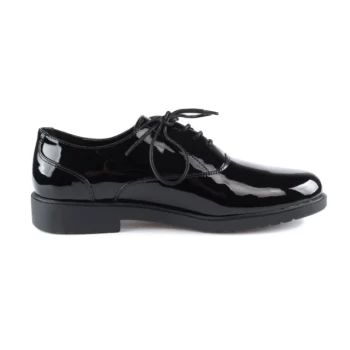
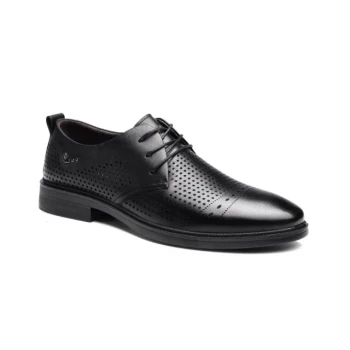
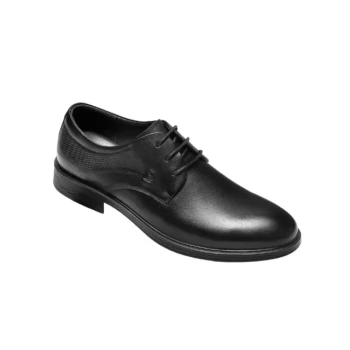
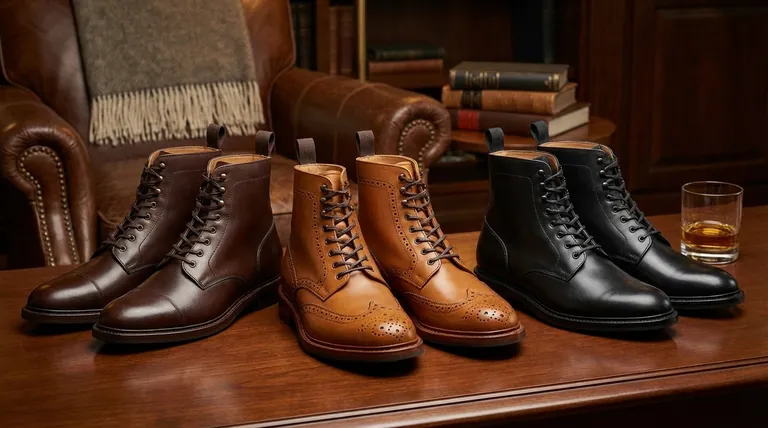
The most common styles of dress boots are distinguished by the detailing on their toe. These core styles are the Cap Toe, the Wingtip (or Brogue), and the Plain Toe, each offering a different level of formality. They are built like traditional dress shoes but with an upper that extends over the ankle, providing a stylish and practical alternative for formal or smart-casual wear.
A dress boot is fundamentally a dress shoe with an extended ankle shaft. The specific style is determined by the construction of its toe, which dictates its formality and best use, from pairing with a suit to elevating casual attire.
The Anatomy of a Dress Boot
To understand the different styles, it's essential to first grasp what defines a dress boot. It’s a blend of formal shoe construction and the practical coverage of a boot.
The Foundation of a Dress Shoe
A true dress boot shares its DNA with a high-quality dress shoe. It typically features a closed lacing system (like an Oxford), where the eyelet tabs are stitched underneath the vamp for a clean, sleek appearance.
They are crafted from premium materials like full-grain or smooth burnished leather, which develops a rich patina over time. This construction makes them suitable for formal trousers, sport coats, and even full suits.
Style Defined by the Toe
The primary way to categorize dress boot styles is by looking at the toe box. The amount of stitching and decorative perforation (broguing) dictates the boot's name and its place on the formal-to-casual spectrum.
Core Styles You Need to Know
While many variations exist, three foundational styles form the core of any dress boot collection. Each serves a distinct purpose.
The Cap Toe Boot
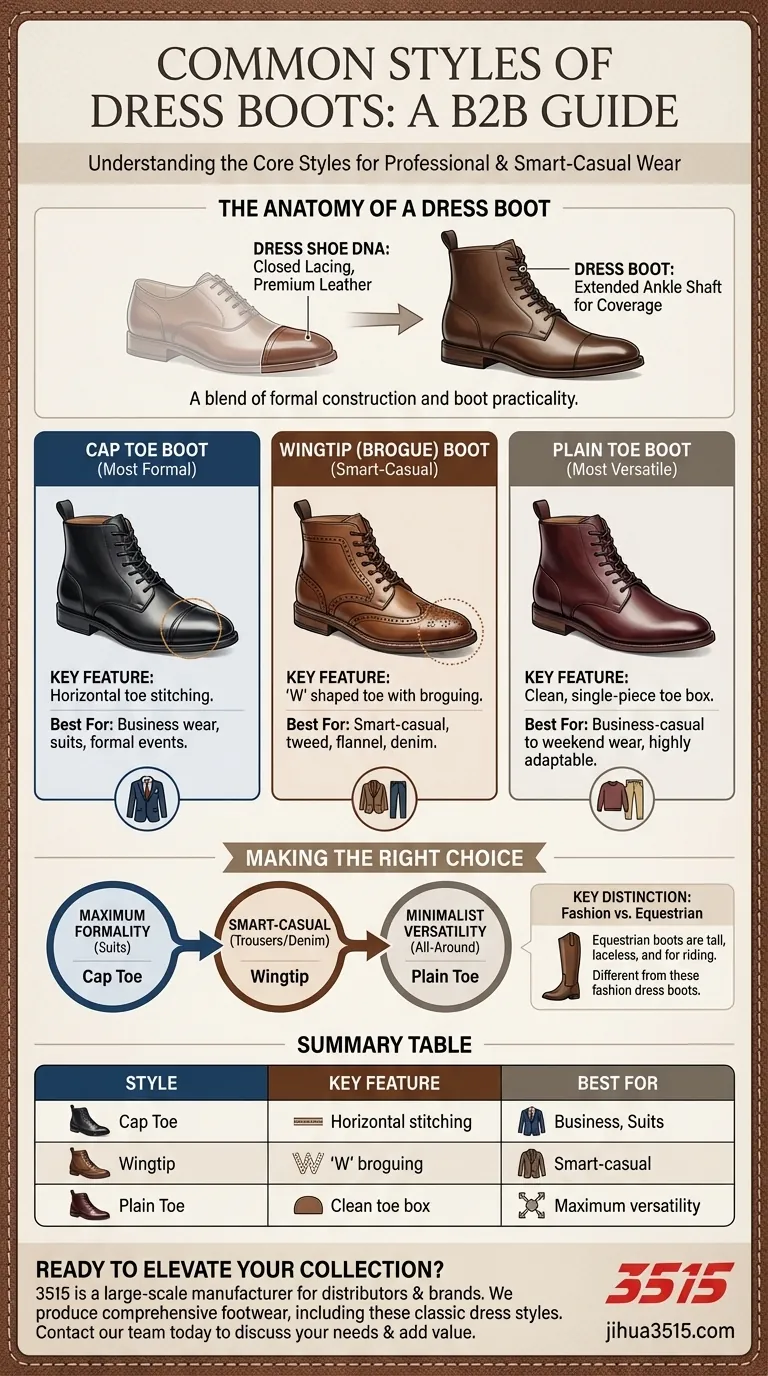
The Cap Toe is defined by a single horizontal line of stitching that separates the toe from the rest of the boot. This clean, understated design makes it one of the most formal and versatile options.
It is the ideal choice for business environments and can be worn confidently with a suit, especially during colder or wetter months when a standard dress shoe might be impractical.
The Wingtip (Brogue) Boot
The Wingtip boot is easily identified by the pointed toe cap that extends back along the sides of the boot, forming a "W" or "M" shape. This style almost always features decorative perforations, known as broguing.
Because of its more ornate design, the Wingtip is considered less formal than the Cap Toe. It pairs exceptionally well with smart-casual attire like tweed, flannel trousers, or dark denim.
The Plain Toe Boot
As the name suggests, the Plain Toe boot has no extra stitching or caps on the toe box. Its surface is a single, smooth piece of leather, creating a minimalist and sleek silhouette.
This simplicity gives the Plain Toe boot incredible versatility. It can be dressed up for business-casual settings or dressed down for a refined weekend look, making it a powerful wardrobe staple.
Understanding a Key Distinction
It's important to differentiate between the men's fashion dress boots discussed above and a more specialized category with a similar name.
Men's Fashion vs. Equestrian Boots
The term "dress boot" is also used in the equestrian world to describe a specific type of tall, laceless riding boot. These are highly specialized, much stiffer, and designed for formal dressage events.
Unless you are involved in equestrian sports, the styles you will encounter and wear are the ankle-high, dress-shoe-based boots like the Cap Toe and Wingtip.
Making the Right Choice for Your Goal
Selecting the correct style depends entirely on the context and your desired level of formality.
- If your primary focus is maximum formality for suits and business wear: A black or dark brown leather Cap Toe boot is the most appropriate and timeless choice.
- If your primary focus is smart-casual versatility for trousers or denim: A Wingtip boot offers visual interest, while a Plain Toe boot provides a clean, adaptable foundation.
- If your primary focus is building a minimalist, do-it-all collection: The Plain Toe boot in a classic brown or oxblood offers the widest range of pairing options.
Ultimately, a dress boot is a sophisticated tool that adds both functional protection and a distinctive edge to your wardrobe.
Summary Table:
| Style | Key Feature | Best For |
|---|---|---|
| Cap Toe | Horizontal stitching across the toe | Business wear, suits (most formal) |
| Wingtip | 'W' shaped toe cap with broguing | Smart-casual attire (less formal) |
| Plain Toe | Clean, single-piece toe box | Maximum versatility, business-casual to weekend |
Ready to elevate your footwear collection with premium dress boots?
As a large-scale manufacturer, 3515 produces a comprehensive range of high-quality footwear for distributors, brand owners, and bulk clients. Our production capabilities encompass all types of shoes and boots, including these classic dress styles.
We can help you source or create the perfect dress boots for your market. Contact our team today to discuss your needs and discover how we can add value to your business.
Visual Guide
Related Products
- Wholesale Comfort Dress Shoes with Dial Closure for Custom Manufacturing
- Wholesale Patent Oxford Dress Shoes | Custom & Bulk Manufacturing
- Wholesale Breathable Perforated Leather Derby Dress Shoes for Custom Brands
- Wholesale Perforated Comfort Dress Shoes | Custom Derby Shoe Manufacturer
- Classic Leather Derby Dress Shoes Wholesale & Custom Manufacturing
People Also Ask
- How do comfort dress shoes differ from traditional dress shoes? Discover the Ergonomic Advantage
- Which dress shoe styles are suitable for wearing with jeans? A Guide to Smart-Casual Style
- What features make dress shoes suitable for standing all day? Achieve All-Day Comfort with Anatomical Design
- What are the benefits of resoling dress shoes? Extend Life & Boost Comfort
- What recent trends have influenced traditional dress shoe designs? The Shift to Modern Comfort