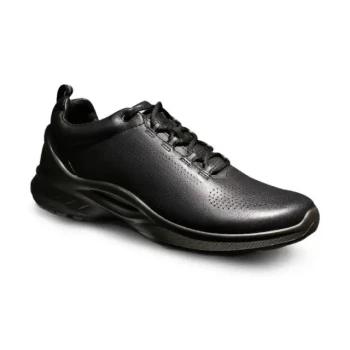
At its core, a dress boot is designed to provide the elegance and formal construction of a dress shoe with the added ankle coverage and durability of a boot. This unique combination makes it an ideal alternative to traditional dress shoes, particularly in colder months or inclement weather, allowing you to maintain a polished, professional appearance without compromising on protection.
The fundamental purpose of a dress boot is to bridge the gap between formal style and practical function. It allows you to extend the life of your formal wardrobe through seasons and conditions where a low-cut dress shoe would be unsuitable.
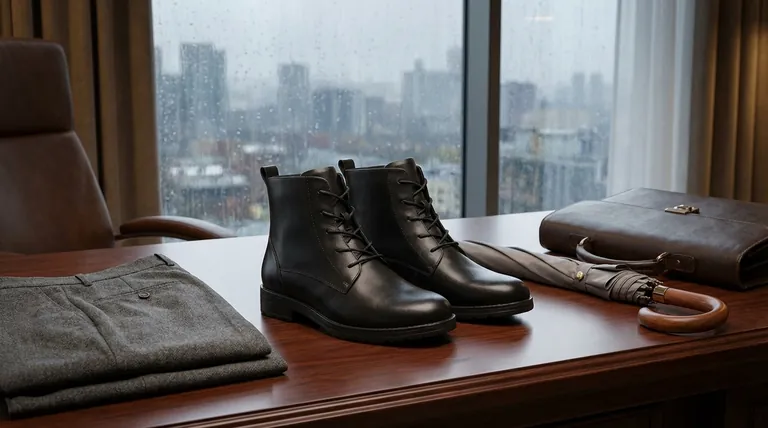
The Anatomy of a Dress Boot: More Than Just a Tall Shoe
Understanding a dress boot begins with recognizing that it is not simply a rugged boot made to look fancy. Its DNA is rooted in the world of formal shoemaking.
Built on a Dress Shoe Foundation
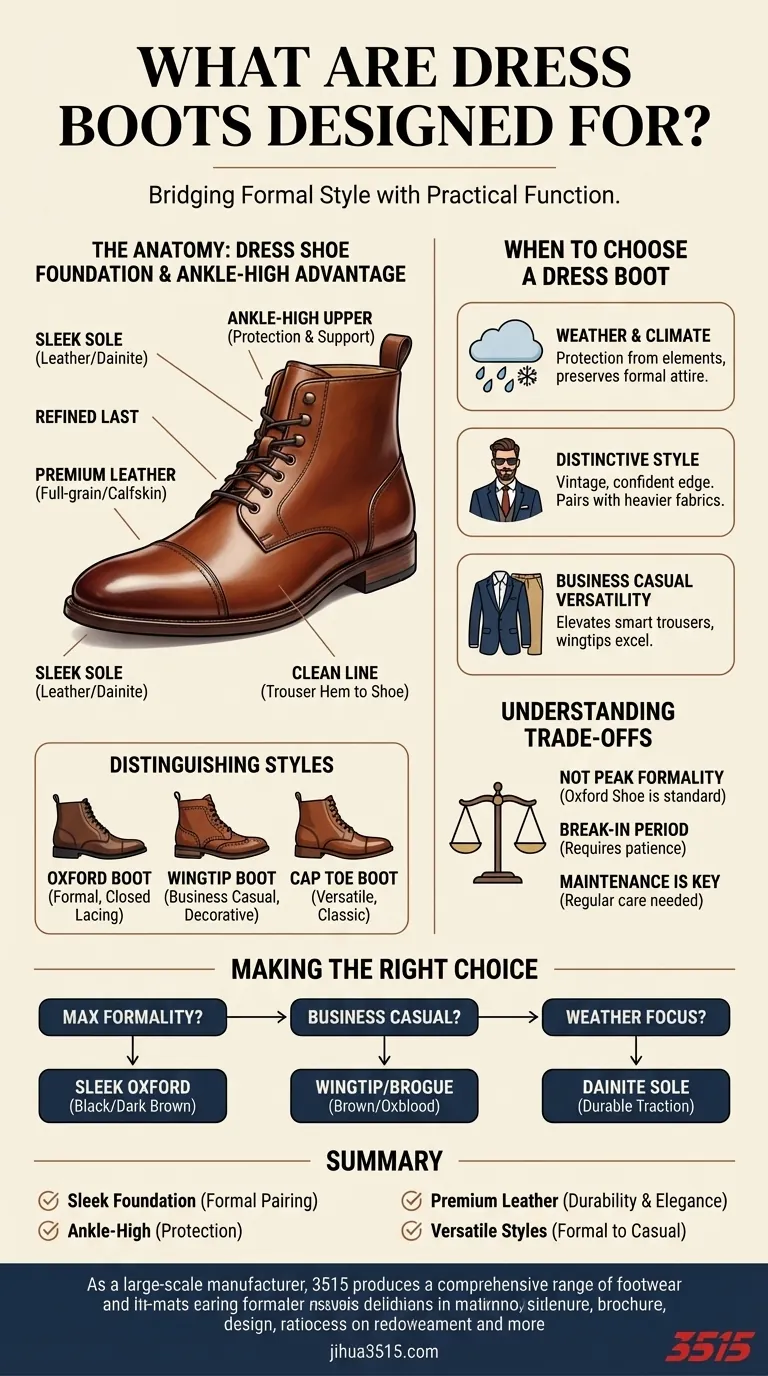
A true dress boot shares its construction with high-quality dress shoes. It often features a sleek leather sole, a refined last (the form it's shaped on), and is crafted from premium materials like full-grain or calfskin leather. This shared foundation is why it pairs so seamlessly with formal attire.
The Ankle-High Advantage
The defining feature is the upper, which extends to cover the ankle. This provides crucial protection from the elements—splashes, wind, and cold—that a dress shoe cannot offer. It also offers a touch more support and creates a continuous, clean line from the trouser hem to the shoe.
Distinguishing Styles
Just like dress shoes, dress boots come in several core styles. The most common are the Oxford boot, with its formal "closed lacing" system, and the slightly less formal wingtip or cap toe designs. The style dictates its level of formality.
When to Choose a Dress Boot Over a Dress Shoe
The decision to wear a dress boot is both stylistic and practical. It makes a deliberate statement while serving a distinct functional purpose.
For Weather and Climate
This is the most straightforward reason. In rain, light snow, or cold winds, a dress boot is the superior choice for protecting your feet and ankles while preserving the integrity of your formal or business outfit.
For a Distinctive Style
A dress boot offers a subtle but confident aesthetic edge. It can lend a vintage, classic feel to an outfit, pairing exceptionally well with heavier fabrics like flannel, tweed, or corduroy. It adds visual weight and character that a standard dress shoe lacks.
For Versatility in Business Casual
While an Oxford boot is perfectly at home with a suit, more decorative styles like a brogued wingtip boot excel in business casual settings. They effortlessly elevate chinos or smart trousers when worn with a sport coat or blazer.
Understanding the Trade-offs
While highly effective, dress boots are not a universal solution. Acknowledging their specific role is key to wearing them well.
Peak Formality
For the absolute highest levels of formal dress, such as a black-tie event or a conservative corporate boardroom, a classic Oxford shoe remains the undisputed standard. A boot, no matter how well-made, is considered a small step down in pure formality.
The Break-In Period
Like any well-made leather footwear, quality dress boots often require a break-in period. The stiff leather and ankle-high construction can take several wears to mold perfectly to your foot.
Maintenance is Key
The high-quality leather that gives dress boots their polished look requires proper care. Regular cleaning, conditioning, and polishing are necessary to protect the leather from the elements and help it develop a rich patina over time.
Making the Right Choice for Your Wardrobe
Selecting the right dress boot depends entirely on your intended use and existing wardrobe.
- If your primary focus is maximum formality with suits: Choose a sleek cap-toe or plain-toe Oxford boot in black or dark brown leather.
- If your primary focus is business casual versatility: Opt for a wingtip or brogue boot in a shade of brown or oxblood that pairs well with wool trousers, chinos, and sport coats.
- If your primary focus is navigating weather with style: Select a boot with a more durable sole, such as Dainite rubber, for better traction without sacrificing the refined silhouette.
Ultimately, the dress boot is a strategic addition to any wardrobe, delivering sartorial polish and practical resilience in a single, elegant package.
Summary Table:
| Feature | Benefit |
|---|---|
| Sleek Dress Shoe Foundation | Seamlessly pairs with formal attire like suits |
| Ankle-High Design | Provides protection from rain, wind, and cold |
| Premium Leather Construction | Ensures durability and a refined, professional appearance |
| Versatile Styles (e.g., Oxford, Wingtip) | Suitable for both formal and business casual settings |
As a large-scale manufacturer, 3515 produces a comprehensive range of footwear for distributors, brand owners, and bulk clients. Our production capabilities encompass all types of shoes and boots, including premium dress boots crafted from high-quality leathers for lasting elegance and comfort. Enhance your inventory with our versatile and durable designs—contact us today to discuss your needs!
Visual Guide
Related Products
- Wholesale Comfort Dress Shoes with Dial Closure for Custom Manufacturing
- Wholesale Perforated Comfort Dress Shoes | Custom Derby Shoe Manufacturer
- Custom Manufactured Air Cushion Leather Business Shoes for Wholesale
- Wholesale Classic Leather Lace-Up Ankle Boots for Brand Manufacturing
- Wholesale Tactical Boots High-Traction & Reflective for Bulk & Brand Orders
People Also Ask
- How do comfort dress shoes differ from traditional dress shoes? Discover the Ergonomic Advantage
- Which dress shoe styles are suitable for wearing with jeans? A Guide to Smart-Casual Style
- What features make dress shoes suitable for standing all day? Achieve All-Day Comfort with Anatomical Design
- What are the benefits of resoling dress shoes? Extend Life & Boost Comfort
- What recent trends have influenced traditional dress shoe designs? The Shift to Modern Comfort