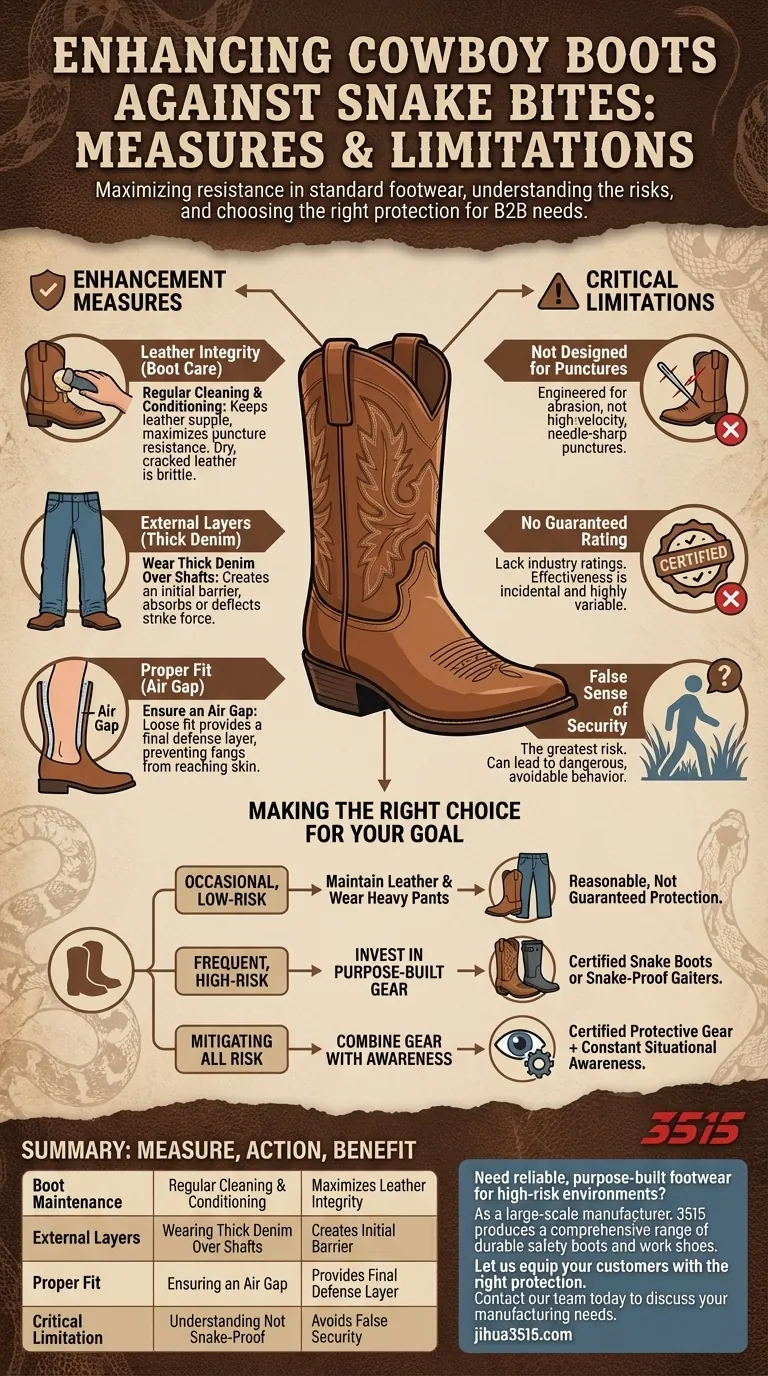
To enhance the snakebite resistance of standard cowboy boots, the most effective additional measures are maintaining the leather's integrity through regular cleaning and conditioning, wearing thick denim that covers the boot shafts, and ensuring there is a slight air gap between the boot and your leg. These steps create supplementary barriers but do not change the fundamental nature of the footwear.
While certain measures can marginally improve their defensive capability, it is critical to understand that traditional cowboy boots are not designed or rated for snakebite protection. True safety in snake-prone environments comes from using purpose-built equipment, not from modifying footwear designed for another task.
The Role of the Boot Itself
The inherent characteristics of your cowboy boots determine their baseline level of resistance. Proper care can maximize this potential, but the original design and materials are the most significant factors.
Leather Integrity is Paramount
Keeping the leather clean and well-conditioned is the single most important maintenance step. Dry, cracked leather is brittle and offers significantly less resistance to a puncture than supple, healthy leather.
Height and Material Thickness
Taller boots naturally offer more coverage area against low strikes. Likewise, boots made from thicker, stiffer leather provide a more formidable physical barrier for fangs to penetrate compared to boots made of softer, more exotic skins.
Construction Varies Wildly
There is no industry standard for the "toughness" of a cowboy boot. A pair designed for rugged ranch work will have different protective qualities than a pair designed for fashion, even if they look similar.
Adding External Protective Layers
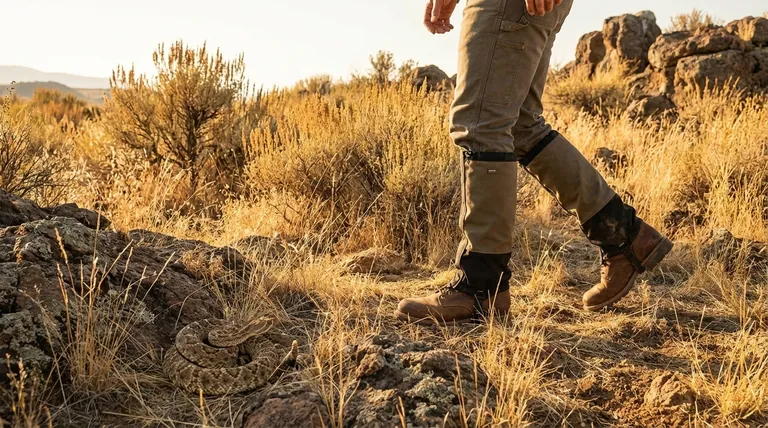
What you wear over and around your boots can provide an important secondary layer of defense, working to slow or deflect a snake's fangs before they even reach the boot.
The "Thick Jeans" Principle
Wearing heavy-duty denim or canvas pants over your boots creates an initial barrier. The fabric can absorb some of the strike's force or cause the fangs to slide off, preventing a direct impact on the leather.
The Importance of an Air Gap
A loose fit, with space between the boot shaft and your leg, can be a crucial final defense. Even if a fang manages to penetrate the boot, this air gap may be enough to prevent it from reaching your skin.
Understanding the Critical Limitations
Relying on cowboy boots for snake protection introduces significant risks. Their original purpose has nothing to do with fangs, and this reality has serious safety implications.
Not Designed for Punctures
Cowboy boots were engineered to protect a rider's feet and legs from abrasion against the saddle and stirrups. Their construction is optimized for durability against rubbing and scraping, not for stopping a high-velocity, needle-sharp puncture.
No Guaranteed Protection Rating
Purpose-built snake boots are tested against the force and fangs of specific snakes. Cowboy boots carry no such rating or guarantee. Their effectiveness is purely incidental and highly variable.
The Danger of a False Sense of Security
The greatest risk is assuming you are fully protected when you are not. This false confidence can lead to taking chances, such as walking through tall grass, that you might otherwise avoid.
Making the Right Choice for Your Goal
Your level of risk should directly inform your choice of protection. Acknowledging the limitations of your gear is the first step toward genuine safety.
- If your primary focus is occasional, low-risk encounters: Properly maintaining your leather work boots and wearing heavy pants offers a reasonable, though not guaranteed, degree of protection.
- If your primary focus is frequent activity in high-risk snake habitats: You must invest in purpose-built, certified snake boots or wear snake-proof gaiters over your existing cowboy boots.
- If your primary focus is mitigating all possible risk: Combine certified protective gear with constant situational awareness, actively watching where you step and place your hands.
Ultimately, true protection comes from deliberately matching your equipment to the specific risks you face.
Summary Table:
| Measure | Key Action | Primary Benefit |
|---|---|---|
| Boot Maintenance | Regular cleaning & conditioning | Maximizes leather integrity and puncture resistance |
| External Layers | Wearing thick denim over boot shafts | Creates an initial barrier to deflect or absorb a strike |
| Proper Fit | Ensuring an air gap between boot and leg | Provides a final defense layer to prevent fangs from reaching skin |
| Critical Limitation | Understanding cowboy boots are not snake-proof | Avoids a false sense of security; highlights need for purpose-built gear |
Need reliable, purpose-built footwear for high-risk environments?
As a large-scale manufacturer, 3515 produces a comprehensive range of durable footwear for distributors, brand owners, and bulk clients. Our production capabilities encompass all types of safety boots and work shoes designed for specific hazards.
Let us help you equip your customers with the right protection. Contact our team today to discuss your footwear needs and explore our manufacturing solutions.
Visual Guide
Related Products
- Premium High-Cut Waterproof Safety Boots Manufacturing & Wholesale Solutions
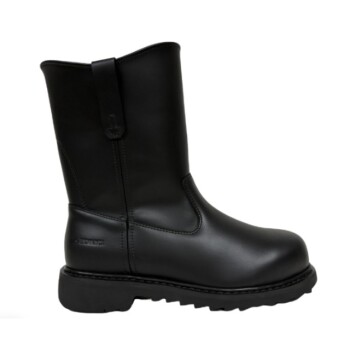
- Wholesale Durable Safety Boots | Custom Steel Toe & Puncture-Resistant Manufacturing
- High Performance Fire-Retardant Waterproof Safety Boots
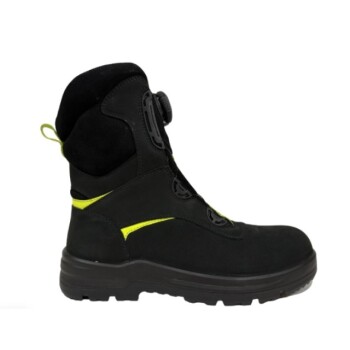
- Heavy-Duty Waterproof Nubuck Safety Boots Safety Shoes for Bulk Supply
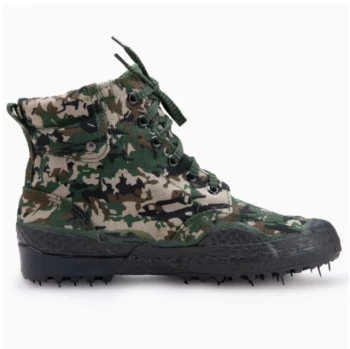
- Durable Spiked Camouflage Boots Wholesale & Factory Production
People Also Ask
- Which industries commonly use safety boots and why? Protect Your Workforce from Top Hazards
- What are the common hazards present in work environments that safety boots protect against? Find Your Perfect Match
- What future trends are emerging in safety boot technology? Discover Lighter, Smarter, and More Sustainable Footwear
- What are the slip resistance requirements for safety boots? Professional Grip Standards for Poultry Facility Cleaning
- Why is a high-precision 3D motion capture system necessary for measuring joint range of motion? Optimize Safety & Mobility