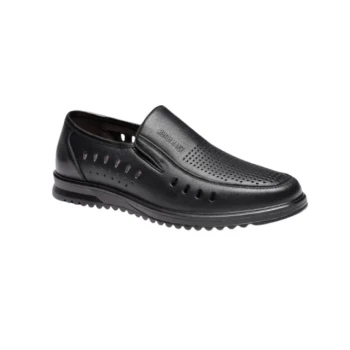
Beyond just a non-slip sole, the best slip-resistant kitchen shoes incorporate features designed for enhanced hygiene, protection, and comfort. Key additions include clog-resistant outsoles for easy cleaning, protective membranes to shield against hot liquid spills, and anti-microbial linings to prevent odor buildup during long shifts.
While the specialized sole is the critical safety feature, the true value of professional kitchen footwear lies in the additional features that address the realities of the environment: comfort for long hours, durability against wear, and materials that keep you clean and protected.
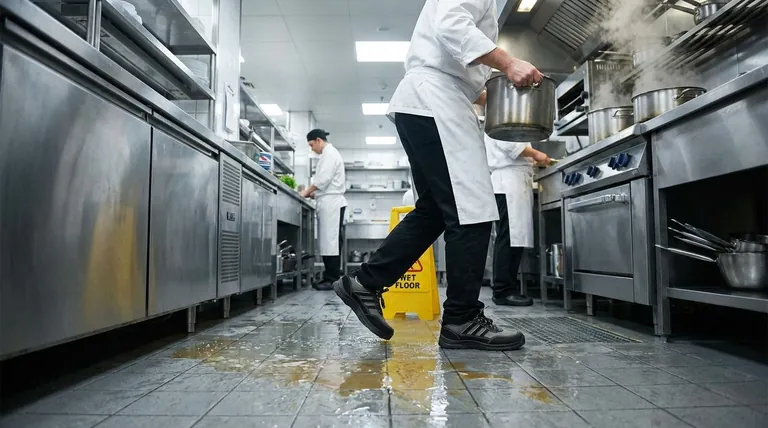
The Foundation: Core Features of Quality Kitchen Footwear
Before considering extras, it's vital to ensure any shoe meets the core requirements for a demanding kitchen environment. These features are the baseline for professional-grade footwear.
Durable, Protective Construction
A proper kitchen shoe is built to last. It uses wear-resistant materials and sturdy construction, often including reinforced toes to protect against falling objects and heavy-duty tasks.
All-Day Comfort and Support
Long shifts require more than just safety. Look for shoes with ample cushioning and arch support to reduce fatigue and prevent foot pain, which is crucial for maintaining focus and productivity.
Lightweight Design
Heavy, clunky shoes can slow you down. A lightweight design is essential for ease of movement, allowing you to navigate a busy kitchen quickly and efficiently without feeling weighed down.
Key Additional Features for Enhanced Performance
These are the features that distinguish a good kitchen shoe from a great one. They are tailored solutions to specific problems commonly faced by culinary professionals.
Clog-Resistant Outsoles
Kitchen floors are covered in debris. Clog-resistant outsoles feature wider tread patterns that shed food particles and other solids, making them significantly easier and faster to clean at the end of a shift.
Protective SpillGuard Membranes
Spills are inevitable. Some shoes include a protective membrane lining in the forepart of the shoe. This feature temporarily shields your foot from hot liquid spills, giving you precious seconds to react and prevent serious burns.
Water and Stain Resistance
The upper material of the shoe is just as important as the sole. Water-resistant and stain-resistant uppers make cleanup simple and keep your feet dry from splashes and minor spills throughout the day.
Anti-Microbial Properties
Long hours in a hot environment can lead to odor and bacteria. Anti-microbial linings are treated to inhibit the growth of odor-causing bacteria, keeping your shoes and feet fresher for longer.
Understanding the Trade-offs
Choosing the right shoe involves balancing competing needs. No single shoe is perfect for every task or person, and understanding the compromises is key to making an informed decision.
Protection vs. Weight
Shoes with reinforced materials and protective toe caps offer superior defense against impacts and spills. However, this added protection often comes with increased weight, which can lead to fatigue over a 12-hour shift.
Breathability vs. Water Resistance
A highly breathable shoe keeps your feet cool and dry from sweat, which is a major advantage in a hot kitchen. Conversely, a fully water-resistant upper offers better protection from external liquids but may trap more heat and moisture inside.
Making the Right Choice for Your Role
Select your footwear based on the most pressing demands of your specific job in the kitchen.
- If your primary focus is safety in a high-spill area (like a dish pit or fry station): Prioritize a shoe with a certified non-slip sole, water-resistant uppers, and a protective membrane.
- If your primary focus is comfort for long shifts on your feet: Emphasize excellent cushioning, strong arch support, and a lightweight, breathable design to minimize fatigue.
- If your primary focus is hygiene and easy maintenance: Look for clog-resistant outsoles, stain-resistant materials, and anti-microbial linings to simplify your end-of-day cleanup.
Ultimately, investing in the right kitchen shoe is investing in your safety, comfort, and professional performance.
Summary Table:
| Feature | Key Benefit | Ideal For |
|---|---|---|
| Clog-Resistant Outsoles | Easy cleaning, prevents debris buildup | All kitchen roles, especially messy stations |
| Protective SpillGuard Membranes | Shields feet from hot liquid spills | Fry stations, dish pits, high-spill areas |
| Anti-Microbial Linings | Inhibits odor-causing bacteria, keeps feet fresh | Long shifts, hot environments |
| Water/Stain-Resistant Uppers | Easy cleanup, protects from splashes | Busy environments requiring quick maintenance |
| Reinforced Toes & Durable Construction | Protection from impacts, longer lifespan | Heavy-duty tasks, areas with falling objects |
Ready to equip your team with high-performance kitchen footwear?
As a large-scale manufacturer, 3515 produces a comprehensive range of durable, comfortable, and safety-focused footwear for distributors, brand owners, and bulk clients. Our production capabilities encompass all types of professional kitchen shoes and boots, designed with the features you need to enhance safety, comfort, and hygiene for your staff.
Contact us today to discuss your footwear needs and discover how we can support your business with reliable, high-quality products.
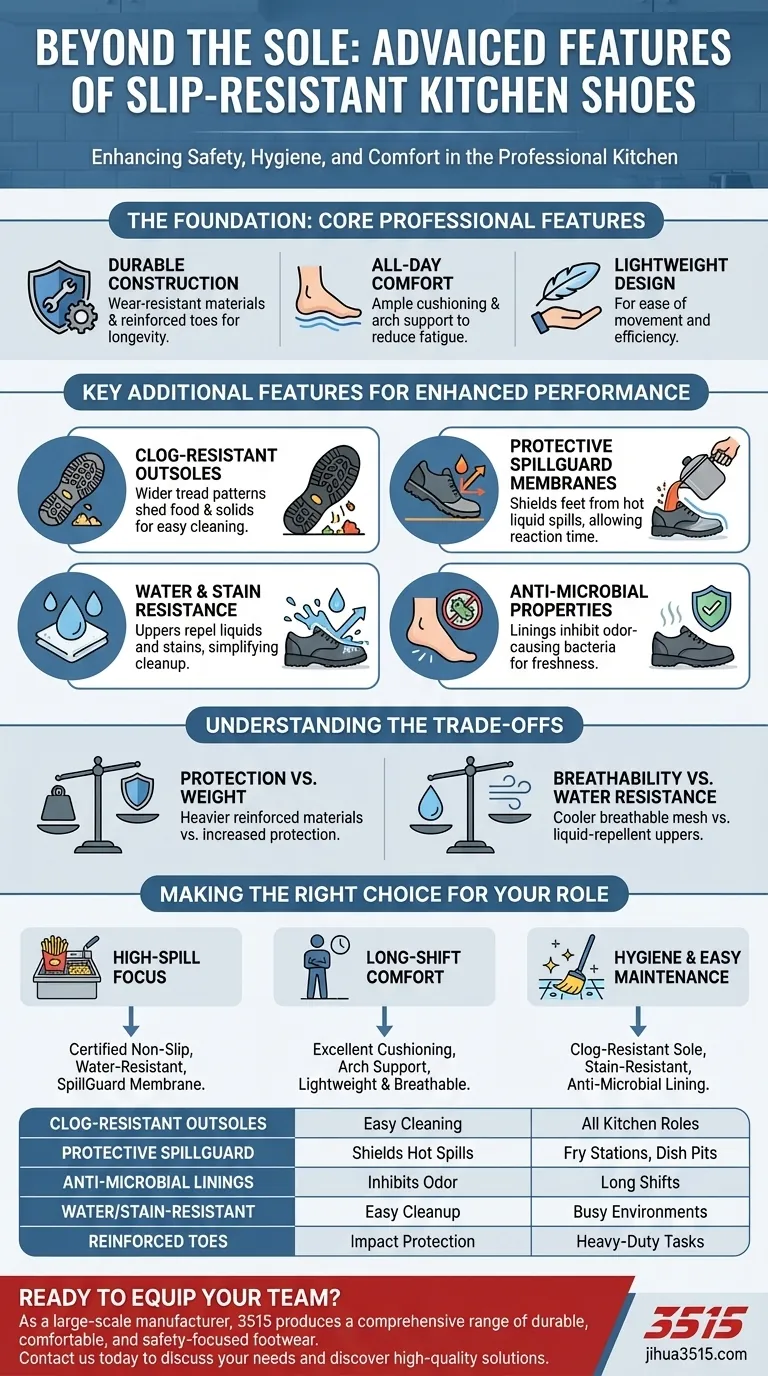
Visual Guide
Related Products
- Heavy-Duty Waterproof Nubuck Safety Boots Safety Shoes for Bulk Supply
- Durable High-Traction Canvas Sneakers Wholesale & Custom Manufacturing
- Premium Suede Sport Safety Shoes for Wholesale & Bulk Orders
- Durable Leather Moc Toe Work Boots for Wholesale & Custom Manufacturing
- Durable Goodyear Welt Leather Work Boots for Wholesale & Private Label
People Also Ask
- What primary protective functions do professional safety boots provide in urban solid waste recovery and waste picking processes? Discover Dual-Layer Protection.
- How do safety boots reduce cutting hazards? Essential Protection for Your Workforce
- Which organizations develop safety standards for work boots? Ensure Compliance & Worker Safety
- What are the common types of safety boots and their primary uses? A Guide to Industrial Footwear
- Why is ankle and arch support important in safety footwear? Prevent Injury & Fatigue