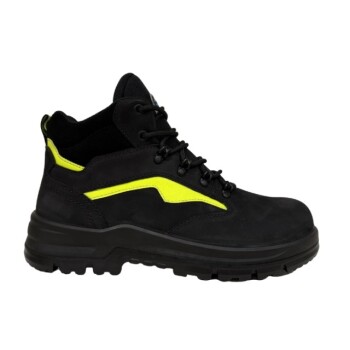
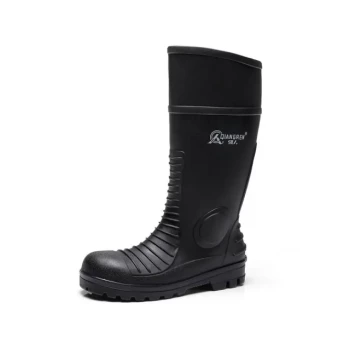
To properly wash waterproof shoes, you must use a gentle, non-detergent soap with warm water, a soft brush, and allow them to air dry completely away from direct heat. This method cleans the material without stripping the essential waterproof coating or damaging the shoe's construction.
The goal of cleaning waterproof shoes is not just to remove dirt, but to preserve the technical materials you paid for. Using the wrong soap or applying direct heat can permanently destroy their water-resistant properties, turning a valuable investment into a simple pair of shoes.
Why Proper Cleaning is Non-Negotiable
Cleaning your waterproof footwear is a critical maintenance task, not just a cosmetic one. Understanding the "why" ensures you protect your gear for the long term.
The Impact of Dirt and Grime
Dirt, mud, and grit are abrasive. As you walk, these particles grind against the shoe's surface, physically wearing down the factory-applied Durable Water Repellent (DWR) coating.
Once this outer coating is compromised, the fabric can become saturated with water. This not only makes your feet feel cold and wet but also reduces the shoe's breathability, trapping sweat inside.
Preserving Material Integrity
Soap residue left from improper rinsing can attract water and dirt, further degrading the shoe's fabric and waterproof membrane over time. Regular, correct cleaning extends the functional lifespan of your footwear.
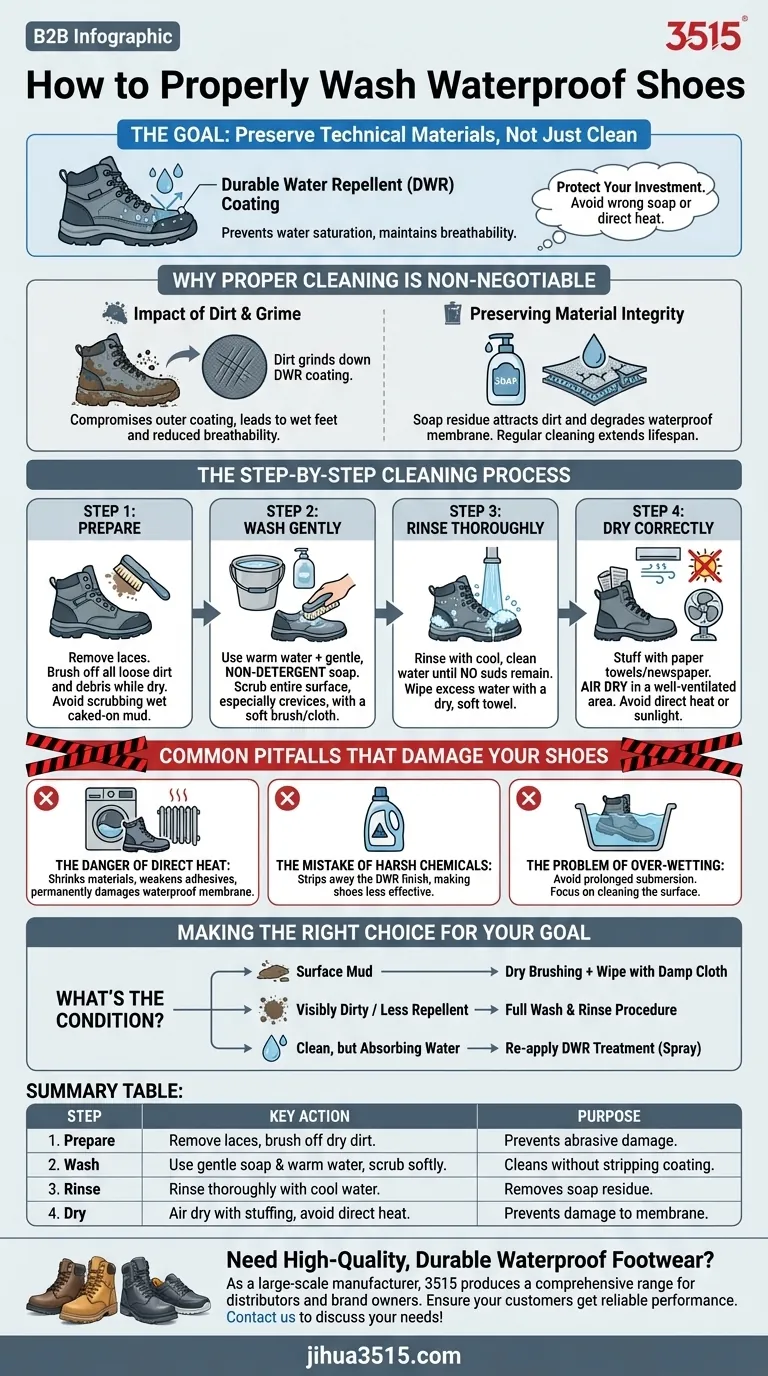
The Step-by-Step Cleaning Process
Follow these steps precisely to ensure a safe and effective cleaning.
Step 1: Prepare the Shoes
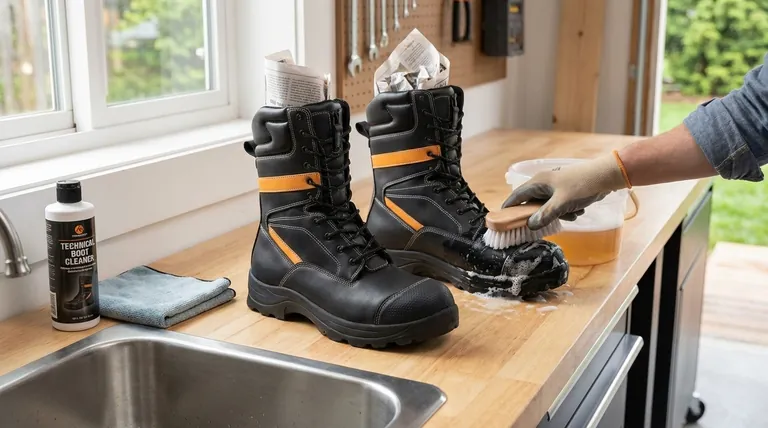
Before introducing any water, use a soft brush to remove all loose dirt, mud, and debris. Caked-on mud can damage the material if scrubbed while wet.
Be sure to remove the laces to allow for a more thorough cleaning around the eyelets and tongue.
Step 2: Wash Gently
Fill a bucket or sink with warm water and a small amount of gentle, non-detergent soap. Harsh laundry detergents can strip the DWR coating.
Using a soft cloth or brush, gently scrub the entire surface of the shoe. Pay special attention to crevices and seams where dirt accumulates.
Step 3: Rinse Thoroughly
This step is crucial. Rinse the shoes with clean, cool water until no suds or soap residue remain.
Wipe away excess water with a dry, soft towel to prevent water spots and accelerate the drying process.
Step 4: Dry Correctly
Stuff the shoes with newspaper or paper towels to help absorb internal moisture and maintain their shape.
Place the shoes in a well-ventilated area to air dry. Using a fan on a low setting can help speed this up. Never store wet shoes in a closed space, as this encourages mold and mildew.
Common Pitfalls That Damage Your Shoes
Avoiding these common mistakes is just as important as following the correct cleaning steps.
The Danger of Direct Heat
Never place your shoes in a clothes dryer, near a radiator, or in direct, intense sunlight to dry.
High heat can shrink or warp the shoe's materials, weaken the adhesives holding it together, and permanently damage the waterproof membrane.
The Mistake of Harsh Chemicals
Standard laundry detergents and harsh soaps are designed to break down oils and coatings. Using them on your waterproof shoes will strip away the DWR finish, rendering them far less effective.
The Problem of Over-Wetting
While you need to clean your shoes, try to avoid completely submerging them for extended periods unless absolutely necessary. This is especially true for leather shoes. Focus on cleaning the surface effectively without water-logging the entire structure.
Making the Right Choice for Your Goal
Your approach should be tailored to the shoe's current condition and your objective.
- If your primary focus is removing surface mud: A simple dry brushing followed by a wipe-down with a damp cloth is often sufficient and minimizes wear.
- If your shoes are visibly dirty and feel less water-repellent: Perform the full wash and rinse procedure, as dirt is likely compromising the DWR coating.
- If your clean shoes are still absorbing water: After a thorough cleaning, it is time to re-apply a waterproofing treatment, typically a DWR spray, following the product's instructions carefully.
Protecting your investment in waterproof footwear requires a gentle approach that prioritizes the integrity of the materials.
Summary Table:
| Step | Key Action | Purpose |
|---|---|---|
| 1. Prepare | Remove laces; brush off dry dirt. | Prevents abrasive damage during washing. |
| 2. Wash | Use gentle soap & warm water; scrub softly. | Cleans without stripping the waterproof coating. |
| 3. Rinse | Rinse thoroughly with cool water. | Removes all soap residue to protect materials. |
| 4. Dry | Air dry with stuffing; avoid direct heat. | Prevents damage to membrane and adhesives. |
Need high-quality, durable waterproof footwear? As a large-scale manufacturer, 3515 produces a comprehensive range of boots and shoes for distributors, brand owners, and bulk clients. Our expertise ensures your customers get reliable performance. Contact us today to discuss your needs!
Visual Guide
Related Products
- Wholesale Premium Waterproof Nubuck Safety Shoes Boots
- Heavy-Duty Waterproof Nubuck Safety Boots Safety Shoes for Bulk Supply
- Premium Wholesale Waterproof Safety Boots High Performance Protection for Industrial Markets
- Durable Waterproof Rain Boots | Custom Manufacturer for Wholesale & Brands
- Wholesale Waterproof Tactical Boots Custom Suede & High-Traction Soles
People Also Ask
- How can you ensure your feet stay dry during winter walks? A Two-Part Defense System for Total Comfort
- What is the difference between waterproof, water-resistant, and water-repellent boots? Choose the Right Protection for Your Feet
- What are the drawbacks of waterproof boots? The Breathability vs. Protection Trade-Off
- What is the difference between waterproof and water-resistant boots? Choose the Right Footwear for Any Condition
- What is a drawback of waterproof boots? The Hidden Cost of Trapped Sweat and Heat