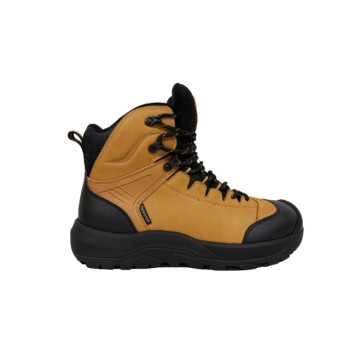
Winter cycling shoes achieve insulation through a sophisticated multi-layered synthetic system designed to trap body heat while maintaining breathability. This construction utilizes advanced thermal membranes, specialized liners, and insulated midsoles to create a controlled micro-climate around the foot. For global distributors and brand owners, the precision of this layering process is what ensures consistent performance across high-volume production runs.
The core of winter cycling shoe insulation lies in a balanced "trap-and-shield" architecture. By combining lightweight synthetic fibers with waterproof membranes and structural heat barriers, manufacturers can deliver footwear that prevents heat loss without compromising the power transfer necessary for performance cycling.
The Engineering of Multi-Layered Thermal Systems
Advanced Synthetic Layering
Modern manufacturing relies on synthetic layering systems to provide warmth without the excessive bulk of traditional materials. These layers are engineered to trap air—the most effective insulator—while remaining lightweight enough for high-performance cycling applications.
Established manufacturers utilize specialized machinery to ensure these layers are bonded without cold spots. This precision, backed by decades of heritage in technical footwear, ensures that every shoe in a large-scale order meets rigorous thermal standards.
The Role of Waterproof Membranes
Insulation is ineffective if the foot becomes wet from external slush or internal perspiration. To combat this, a waterproof, breathable membrane is integrated between the outer shield and the inner lining.
This membrane acts as a one-way valve, allowing moisture vapor to escape while preventing cold wind and water from entering the core insulation layers. For B2B partners, sourcing shoes with certified membrane technologies is critical for maintaining brand reputation in harsh climates.
Specialized Components for Total Heat Retention
Insulated Midsoles and Footbeds
Significant heat loss occurs through the sole of the shoe, which is often in close proximity to cold metal pedals. To prevent this, high-quality winter cycling shoes feature insulated midsoles and specialized footbeds.
These components often incorporate materials like merino wool or heat-reflective foils to bounce radiant heat back toward the foot. Consistent quality in these internal components is a hallmark of a robust, state-of-the-art supply chain.
The Wraparound Shield and Tall Cuff
Effective insulation requires a complete seal to prevent "chimney effect" heat loss. This is achieved through a wraparound shield and an integrated, tall ankle cuff that extends above the standard shoe line.
The cuff is typically constructed from neoprene or similar synthetics to provide a flexible, airtight seal against the leg. This structural innovation ensures that the warmth generated by the rider's effort remains trapped within the footwear.
Understanding the Trade-offs: Weight vs. Warmth
Balancing Thermal Mass and Performance
The primary challenge in manufacturing is balancing thermal grams (such as 200g Thinsulate) with the need for a stiff, responsive cycling shoe. Excessive insulation can lead to a "mushy" feel that absorbs power and reduces efficiency.
Breathability and Moisture Management
Over-insulating a shoe can lead to overheating and sweat accumulation, which eventually causes the foot to freeze. High-tier OEM/ODM capabilities focus on "active insulation"—systems that regulate temperature rather than just trapping it.
Bulk and Pedal Clearance
Thick insulation layers can increase the external volume of the shoe, potentially causing interference with the bike's crankarms or frame. Manufacturers must use advanced thinning techniques at high-pressure points to maintain a sleek profile while retaining thermal integrity.
How to Select the Right Insulation Profile for Your Portfolio
Choosing the right insulation level is a strategic decision that depends on your target market's climate and the intended intensity of the ride.
- If your primary focus is extreme deep-winter performance: Prioritize shoes with at least 200g of synthetic insulation and integrated tall cuffs to maximize heat retention in sub-zero environments.
- If your primary focus is high-intensity racing in cold weather: Select models that emphasize breathable membranes and low-bulk synthetic layers to prevent overheating during maximum physical effort.
- If your primary focus is versatility and multi-season use: Focus on modular footbed systems and moderate insulation that can be adjusted with varying sock thicknesses.
By partnering with a manufacturer that possesses deep technical heritage and consistent large-volume delivery, you ensure your product line offers the reliable thermal protection that serious cyclists demand.
Summary Table:
| Insulation Component | Functional Role | Key Materials Used |
|---|---|---|
| Multi-layered Synthetics | Traps body heat and creates an air-insulation barrier. | Lightweight synthetic fibers |
| Thermal Membranes | Provides waterproofing while allowing moisture to escape. | Certified breathable membranes |
| Insulated Midsoles | Blocks cold transfer from metal pedals and returns heat. | Merino wool / Heat-reflective foils |
| Wraparound Shield | Prevents the "chimney effect" and seals out wind/slush. | Neoprene / Tall ankle cuffs |
Partner with 3515 for High-Volume Technical Footwear Manufacturing
Elevate your product portfolio with a partner who understands the precision required for high-performance footwear. As a large-scale manufacturer serving distributors and brand owners since 1951, 3515 offers comprehensive production capabilities for all footwear types, anchored by our flagship Safety Shoes series.
For B2B partners, we provide:
- Massive Production Scale: Consistent large-volume delivery to meet global demand.
- Premium OEM/ODM Capabilities: Specialized engineering for winter cycling, tactical, and outdoor footwear.
- Robust Supply Chain: State-of-the-art equipment and international certifications ensure quality and stability.
- Diverse Portfolio: From technical winter shoes to training sneakers and formal dress shoes.
Contact us today to discuss your bulk requirements and manufacturing needs!
Related Products
- Premium Insulated Safety Boots and Shoes for Wholesale & Bulk Orders
- Wholesale Durable Camouflage Canvas Shoes with High-Traction Cleated Rubber Sole
- Premium Suede Sport Safety Shoes for Wholesale & Bulk Orders
- Advanced KPU Athletic Safety Shoe with Steel Toe Cap Anti-Slip Rotary Lacing System
- Lightweight Breathable Sneakers with Wet-Traction Grip for Wholesale & Private Label
People Also Ask
- What are the recommended insulation ratings for mild winter conditions? A Guide for Active & Stationary Workers
- How does insulation thickness correlate with temperature ranges? A Guide to Choosing the Right Warmth
- What insulation level is needed for severe cold and stationary work? 1200g or Higher is Essential
- What safety advantages do insulated boots offer beyond warmth? Dielectric Protection & Superior Grip
- How does fleece lining contribute to the warmth of insulated boots? Trapping Air for Superior Cold Protection