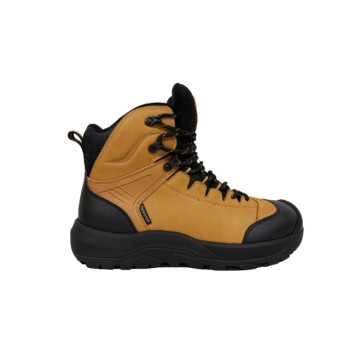
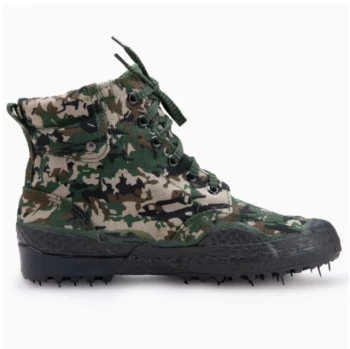
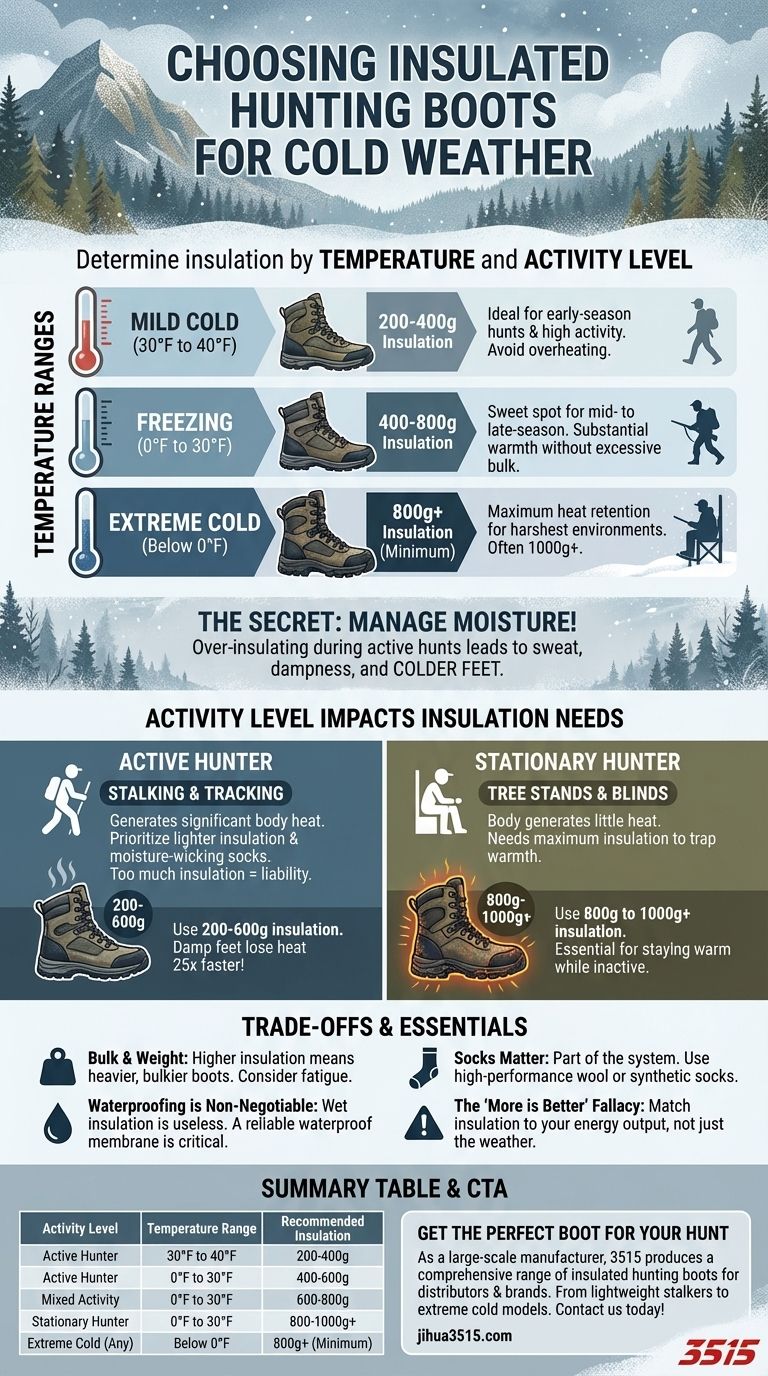
The right amount of insulation for your hunting boots is determined by both the temperature and your level of physical activity. For mild cold (30-40°F), 200-400 grams of insulation is sufficient. In freezing conditions (0-30°F), 400-800 grams is the standard, and for extreme cold (below 0°F), you should look for 800 grams or more.
Insulation ratings provide a critical baseline, but the true secret to warm feet in the field is managing moisture. The most common mistake is over-insulating for an active hunt, which leads to sweat, dampness, and ultimately, colder feet.
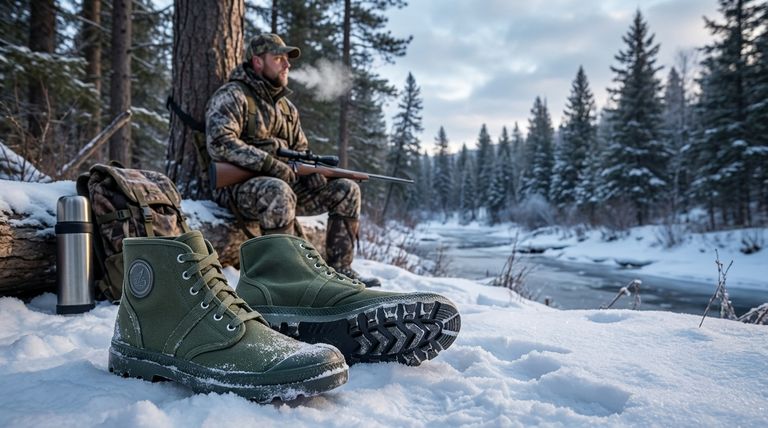
Matching Insulation to Temperature: The Baseline
Think of insulation ratings, measured in grams of materials like Thinsulate™, as a starting point. This number tells you the weight of the insulation material packed into a square meter of fabric. A higher number means more material and greater heat retention.
For Mild Cold (30°F to 40°F)
A boot with 200-400g of insulation is ideal for these conditions. This level provides a touch of warmth without causing your feet to overheat, making it perfect for early-season hunts or when you're covering a lot of ground.
For Freezing Conditions (0°F to 30°F)
This is the most common range for mid- to late-season hunting, where 400-800g of insulation is the sweet spot. It offers substantial warmth for colder days and periods of inactivity without being excessively bulky.
For Extreme Cold (Below 0°F)
When facing arctic temperatures, 800g of insulation is the minimum, with many hunters opting for 1000g or more. These boots are built for maximum heat retention in the harshest environments.
Why Your Activity Level Changes Everything
Temperature ratings are calculated assuming a certain level of activity. However, hunting involves wildly different energy outputs, which dramatically impacts how much insulation you truly need.
The Stationary Hunter (Tree Stands & Blinds)
If you spend hours sitting still, your body isn't generating much heat. This is where you need maximum insulation. For stationary hunting in freezing temperatures, boots with 800g to 1000g+ insulation are essential to trap what little heat your body produces.
The Active Hunter (Stalking & Tracking)
Constant movement generates significant body heat. Here, too much insulation becomes a liability. It will trap heat and sweat, making your socks damp. Wet feet lose heat 25 times faster than dry feet. For active hunting, a lighter boot with 200-600g of insulation combined with a moisture-wicking sock is a far better choice.
Understanding the Trade-offs
Choosing the right boot involves balancing competing factors. Being aware of the compromises is key to making an informed decision.
The "More is Better" Fallacy
The biggest mistake is assuming more insulation is always better. For an active hunter, an 800g boot in 30°F weather is a recipe for sweaty, and eventually frozen, feet. You must match the insulation to your expected energy output.
Bulk and Weight
Heavily insulated boots are, by nature, heavier and bulkier. A 1000g boot is excellent for sitting in a stand but can cause significant fatigue when hiking several miles over rough terrain.
Waterproofing is Non-Negotiable
Insulation is useless if your feet get wet from external sources like snow or slush. A reliable waterproof membrane is critical. Wet insulation cannot trap heat effectively and will accelerate heat loss, creating a dangerous situation.
Making the Right Choice for Your Hunt
Your boot is part of a system that includes your socks and your activity. Select your insulation level based on how you hunt, not just the weather forecast.
- If your primary focus is stationary hunting: Err on the side of more insulation (800g or more) to compensate for your lack of movement.
- If your primary focus is active hunting: Prioritize lighter insulation (200-600g) and invest in a high-performance wool or synthetic sock system to manage sweat.
- If your hunts involve a mix of hiking and sitting: A versatile mid-range boot (600-800g) is often the best compromise. You can then manage warmth by adjusting the thickness of your socks.
Ultimately, keeping your feet warm is about managing heat and moisture for your specific activity and environment.
Summary Table:
| Activity Level | Temperature Range | Recommended Insulation |
|---|---|---|
| Active Hunter (Stalking) | 30°F to 40°F | 200-400g |
| Active Hunter (Stalking) | 0°F to 30°F | 400-600g |
| Mixed Activity | 0°F to 30°F | 600-800g |
| Stationary Hunter (Tree Stand) | 0°F to 30°F | 800-1000g+ |
| Extreme Cold (Any Activity) | Below 0°F | 800g+ (Minimum) |
Get the Perfect Boot for Your Hunt
As a large-scale manufacturer, 3515 produces a comprehensive range of insulated hunting boots for distributors, brand owners, and bulk clients. Our production capabilities encompass all types of boots, from lightweight 200g models for active stalking to heavy-duty 1000g+ boots for extreme cold. We can help you source or create the ideal footwear to keep your customers' feet warm and dry.
Contact us today to discuss your hunting boot needs and get a quote.
Visual Guide
Related Products
- Premium Insulated Safety Boots and Shoes for Wholesale & Bulk Orders
- Durable Waterproof Rain Boots | Custom Manufacturer for Wholesale & Brands
- Wholesale Lightweight Tactical Boots Custom Manufacturer for Desert & Combat Use
- Factory Direct Wholesale Rain Boots Durable Waterproof & Fully Customizable
- Wholesale Waterproof Tactical Boots Custom Suede & High-Traction Soles
People Also Ask
- What are the recommended insulation ratings for mild winter conditions? A Guide for Active & Stationary Workers
- How does insulation thickness correlate with temperature ranges? A Guide to Choosing the Right Warmth
- What insulation level is needed for severe cold and stationary work? 1200g or Higher is Essential
- What safety advantages do insulated boots offer beyond warmth? Dielectric Protection & Superior Grip
- How does fleece lining contribute to the warmth of insulated boots? Trapping Air for Superior Cold Protection