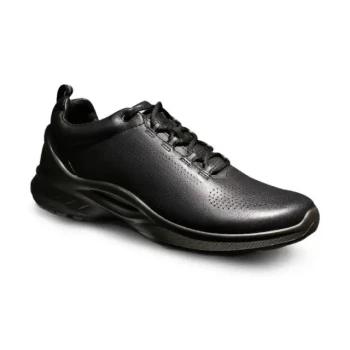
The structural design of double-layer medical shoe covers directly influences slip and fall risks by altering the mechanical interaction between the foot and the ground. While the multi-layer construction provides superior biological isolation, it often reduces internal friction, causing the wearer's shoe to slide inside the cover, while extended designs can create physical tripping hazards if not managed correctly.
Core Takeaway: The very features that enhance containment in double-layer covers—multiple layers and extended coverage—can compromise stability. Preventing falls requires balancing this increased isolation with rigorous attention to material fit and external anti-slip traction.
The Mechanics of Instability
To understand the risk, one must look at how the double-layer structure changes the physics of walking.
The Problem of Internal Friction
Single-layer covers generally move in unison with the shoe. However, the multi-layered structure of double-layer covers creates a new slip plane.
Because there are two layers of material, the inner layer may slide against the outer layer or the shoe itself. This reduction in internal friction means that even if the shoe cover grips the floor, the foot inside may still slide, leading to a loss of balance.
Hazards of Extended Designs
Double-layer covers often feature extended designs to maximize the area of protection.
If these extensions are not properly secured or handled, the excess material creates a direct tripping hazard. The loose fabric can catch on equipment, furniture, or the wearer's own feet during movement.
Critical Environmental Factors
The structural risks of the shoe cover are amplified by the clinical environment.
The Impact of Wet Floors
Medical environments frequently have floors wet with disinfectants and cleaning agents.
These fluids create a low-friction surface that makes the anti-slip performance of the shoe cover material the primary line of defense against falls. If the material cannot penetrate the fluid film, the structural instability of the double layer becomes significantly more dangerous.
The Necessity of Proper Fit
The reference emphasizes that the fit with the underlying protective footwear is a critical safety factor.
A loose fit exacerbates the internal sliding issue mentioned above. A tight, cohesive fit helps transfer the stability of the shoe through the cover to the floor.
Understanding the Trade-offs
When selecting protective gear, you are often balancing biological safety against physical safety.
Isolation vs. Agility
The primary benefit of double-layer covers is the enhanced isolation of biological contaminants.
However, this protection comes at the cost of agility. The added bulk and potential for internal movement require medical staff to walk more deliberately, specifically to counteract the reduced proprioceptive feedback from their feet.
Making the Right Choice for Your Goal
To navigate these risks effectively, apply the following selection criteria based on your specific clinical needs.
- If your primary focus is maximum biological containment: Select double-layer covers with adjustable, secure attachments to manage extended designs and prevent tripping.
- If your primary focus is staff mobility on wet floors: Prioritize covers with high-friction exterior materials and ensure a tight fit to minimize internal sliding.
Ultimately, the safety of the user depends on ensuring the shoe cover acts as a second skin rather than a loose bag.
Summary Table:
| Structural Factor | Impact on Safety | Mitigation Strategy |
|---|---|---|
| Multi-layer Construction | Reduces internal friction, causing sliding inside the cover | Ensure tight fit with underlying footwear |
| Extended Design | Creates physical tripping hazards from loose fabric | Use adjustable attachments to secure excess material |
| Material Surface | Critical for traction on floors wet with disinfectants | Prioritize high-friction anti-slip exterior materials |
| Bulk & Fit | Impacts proprioceptive feedback and agility | Select sizes that act as a 'second skin' to the shoe |
Enhance Staff Safety with 3515 High-Performance Footwear
As a large-scale manufacturer serving distributors and brand owners, 3515 offers comprehensive production capabilities for all footwear types, anchored by our flagship Safety Shoes series. We understand that clinical safety requires more than just biological isolation; it demands physical stability. Our extensive portfolio covers work and tactical boots, outdoor shoes, training shoes, and sneakers, as well as Dress & Formal shoes to meet diverse bulk requirements.
Partner with us to provide your customers with footwear solutions that integrate superior traction with ergonomic design. Contact us today to discuss your bulk manufacturing needs and let us help you deliver safety and quality at scale.
References
- Chaona Gao, Honglin Dong. Investigation and analysis of occupational physical injuries among healthcare staffs during allopatric medical aid for the fight against COVID-19. DOI: 10.13075/mp.5893.01222
This article is also based on technical information from 3515 Knowledge Base .
Related Products
- Wholesale Modern Comfort Shoes with Dial Closure for Private Label & Bulk Orders
- Wholesale Modern Business Shoes with Dial Closure System for Bulk Orders
- Lightweight Breathable Sneakers with Wet-Traction Grip for Wholesale & Private Label
- Wholesale Breathable Athletic Sneakers - Custom Lightweight Cushioned Footwear Manufacturer
- Wholesale Breathable Training Shoes Custom Athletic Footwear Manufacturer
People Also Ask
- Why is comfort important when selecting shoes? The Key to Long-Term Health and Performance
- Why is maximum comfort important in shoes? Prevent Pain & Long-Term Injury
- What factors should be considered when buying shoes for comfort? Get the Perfect Fit for All-Day Wear
- What kind of shoes do businessmen wear? Master the Dress Code for Professional Success
- What are the essential business shoes every man should own? Build a Professional Wardrobe Foundation