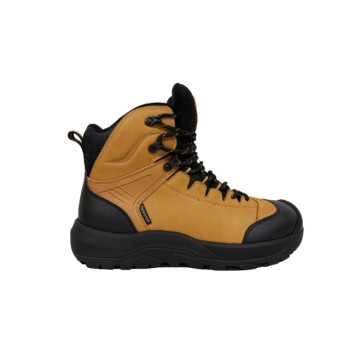
Winter cycling footwear represents a fundamental engineering shift from the narrow, rigid profiles of standard performance models to a design language focused on thermal management, volumetric expansion, and multi-surface traction. While standard shoes prioritize aerodynamic efficiency and maximum power transfer through ultra-stiff outsoles, winter models utilize increased internal volume to accommodate heavy-duty insulation and aggressive, high-grip tread patterns for stability on ice and snow.
Core Takeaway: To succeed in the winter market, footwear must balance increased internal volume for thermal layering with a specialized sole construction that integrates high-traction rubber and strategic flexibility, ensuring rider safety in sub-zero conditions where standard performance shoes fail.
Engineered Fit: The Shift in Internal Volume
Accommodating Thermal Layering
Winter cycling shoes are manufactured with a roomier internal volume specifically designed to house thicker thermal socks without restricting blood flow. In performance models, a tight fit is preferred for power transfer, but in winter, a snug fit that is too tight can cause pain or dangerously restrict circulation, leading to cold extremities.
The Importance of Precision Sizing
For distributors and brand owners, it is critical to communicate that sizing must account for winter-weight hosiery. Our large-scale production processes ensure that despite the increased volume, the shoe maintains a secure heel cup and midfoot lockdown to prevent foot movement that could lead to power loss or chafing.
Sole Construction: Balancing Rigidity and Traction
Strategic Sole Flexibility
Unlike the uncompromising stiffness of high-performance summer road shoes, winter models often feature a more flexible sole structure. This slight increase in compliance improves comfort during long-duration cold rides and allows the foot to move more naturally, which helps maintain warmth through better circulation.
Multi-Surface Traction and Tread Depth
The outsoles of winter shoes differ significantly by utilizing a rugged, high-traction rubber base rather than smooth carbon or plastic. This aggressive tread is engineered to provide essential grip on mud, ice, and snow, facilitating safety when a rider must dismount and navigate slippery terrain.
Cleat System Integration
Most premium winter footwear utilizes an SPD-style (two-bolt) cleat system, which is recessed into the tread. This design is far more functional for winter commuting and trail riding, as it prevents snow and mud buildup from interfering with pedal engagement, a common failure point in standard road systems.
Advanced Material Integration
Technical Membranes and Insulation
High-volume manufacturing allows for the integration of specialized membranes like Gore-Tex and synthetic insulation layers that trap body heat while remaining breathable. These technical fabrics effectively block rain, snow, and slush, providing a level of protection that standard shoes paired with overshoes simply cannot match.
Durability and Long-Term Value
For B2B resellers, the value proposition lies in the superior durability of winter-specific boots compared to the "shoe plus overshoe" combination. Dedicated boots do not suffer from the sole wear and ripping common to overshoes, making them a more reliable long-term investment for the end-user.
Understanding the Trade-offs
Power Transfer vs. Cold Weather Utility
The primary trade-off in winter construction is the slight reduction in absolute power transfer efficiency. By introducing more flexible materials and heavier tread patterns, the shoe gains safety and warmth but may lose the "snappy" feel sought by elite racers in dry, warm conditions.
Weight and Bulk Considerations
Winter shoes are inherently heavier due to the multi-layered synthetic insulation and high-grip rubber outsoles. While our state-of-the-art manufacturing processes aim to keep these components as lightweight as possible, they will never match the featherweight profile of a dedicated summer climbing shoe.
Making the Right Choice for Your Product Line
When selecting or developing winter footwear for your inventory, consider the specific environmental demands of your target market.
- If your primary focus is high-performance racing in cold climates: Prioritize models that utilize stiff midsoles for power transfer while maintaining a waterproof outer membrane.
- If your primary focus is commuting and utility cycling: Focus on rugged outsoles with deep tread patterns and a higher internal volume for maximum sock thickness.
- If your primary focus is extreme adventure or off-road use: Emphasize durability, SPD compatibility, and the highest level of synthetic insulation available.
By understanding these technical distinctions, distributors can better serve their clients with footwear that provides a definitive advantage in harsh environments.
Summary Table:
| Feature | Winter Cycling Shoes | Standard Performance Models |
|---|---|---|
| Internal Volume | High (Roomy for thermal socks) | Low (Tight for aero efficiency) |
| Sole Rigidity | Moderate (Flexible for circulation) | High (Ultra-stiff for power transfer) |
| Outsole Material | High-traction rubber tread | Smooth carbon or hard plastic |
| Cleat System | Recessed SPD (2-bolt) | Exposed Road (3-bolt) |
| Insulation | Integrated thermal membranes | Minimal (Requires overshoes) |
| Primary Goal | Thermal management & safety | Aerodynamic power transfer |
Partner with a Legacy Manufacturer for Your Footwear Line
Are you looking to expand your inventory with high-performance winter footwear or specialized boots? 3515 is a large-scale manufacturer established in 1951, dedicated to serving distributors, brand owners, and B2B resellers worldwide. We provide robust supply chain stability and consistent large-volume delivery to ensure your business stays ahead of market demands.
Why Choose 3515?
- Comprehensive Manufacturing: From our flagship Safety Shoes to tactical boots, outdoor shoes, training sneakers, and formal dress shoes, we handle all footwear categories.
- Elite OEM/ODM Capabilities: We translate your brand's vision into high-quality products using state-of-the-art equipment and international certifications.
- Proven Reliability: Leverage our 70+ years of heritage and massive production scale to secure better profit margins and superior product durability.
Ready to scale your production? Contact us today to discuss your bulk requirements!
Related Products
- Premium Insulated Safety Boots and Shoes for Wholesale & Bulk Orders
- Wholesale Durable Camouflage Canvas Shoes with High-Traction Cleated Rubber Sole
- Premium Suede Sport Safety Shoes for Wholesale & Bulk Orders
- Advanced KPU Athletic Safety Shoe with Steel Toe Cap Anti-Slip Rotary Lacing System
- Lightweight Breathable Sneakers with Wet-Traction Grip for Wholesale & Private Label
People Also Ask
- What are the recommended insulation ratings for mild winter conditions? A Guide for Active & Stationary Workers
- How does insulation thickness correlate with temperature ranges? A Guide to Choosing the Right Warmth
- What insulation level is needed for severe cold and stationary work? 1200g or Higher is Essential
- What safety advantages do insulated boots offer beyond warmth? Dielectric Protection & Superior Grip
- How does fleece lining contribute to the warmth of insulated boots? Trapping Air for Superior Cold Protection